
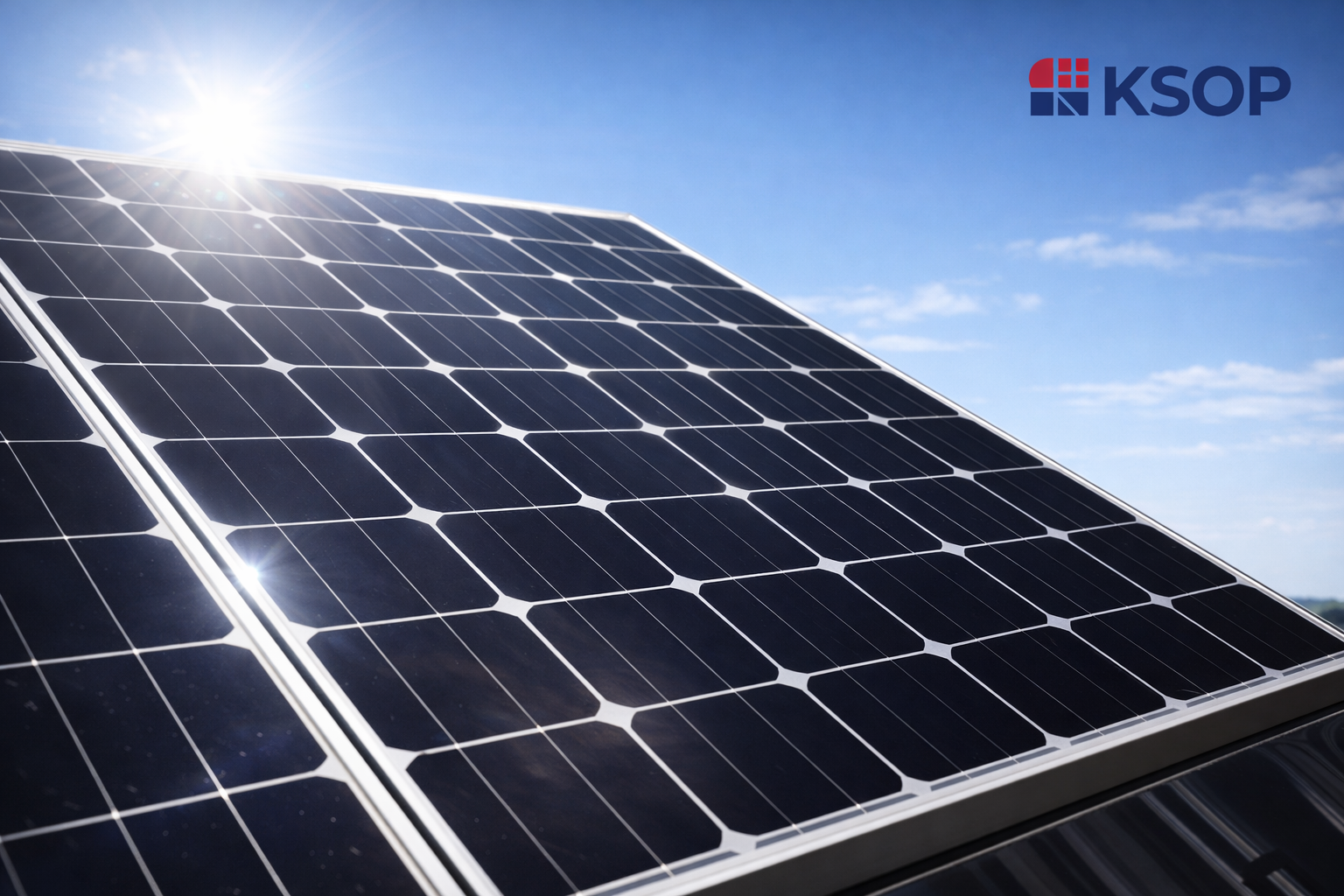
As solar energy adoption continues to grow across homes, businesses, and industrial facilities, selecting the right type of solar panel has become one of the most critical decisions in any solar installation project. With several technologies available -including polycrystalline, thin-film, and bifacial modules –monocrystalline solar panels consistently stand out as the most recommended option for long-term performance, efficiency, and value.
From residential rooftops in urban environments to commercial solar farms powering industrial operations, monocrystalline panels are widely recognized for their superior output and durability. This article explores in depth why they are considered the best choice for solar installations, particularly in regions with high solar exposure like Nigeria and other parts of Africa.
Understanding Monocrystalline Solar Panels
Monocrystalline solar panels are made from single-crystal silicon, meaning each solar cell is cut from a uniform silicon crystal structure. This manufacturing process results in panels with a sleek black appearance and rounded edges, but more importantly, it provides a highly efficient pathway for electron movement.
Because electrons flow more freely within a single crystal structure compared to fragmented silicon (used in polycrystalline panels), monocrystalline panels convert sunlight into electricity more effectively.
Key Characteristics
- High energy conversion efficiency
- Longer lifespan and durability
- Space-saving performance
- Improved performance in low-light conditions
- Premium aesthetic design
These characteristics make them ideal for modern solar installations where reliability and maximum output are priorities.
Superior Efficiency and Power Output
Higher Conversion Efficiency
One of the strongest reasons monocrystalline panels are recommended is their industry-leading efficiency rates, typically ranging between 18% and 23%, and sometimes higher depending on technological improvements.
Higher efficiency means:
- More electricity generated from the same sunlight exposure
- Fewer panels required to meet energy needs
- Reduced installation space requirements
This is especially important in residential or urban settings where roof space may be limited.
Better Energy Yield Per Square Meter
Since monocrystalline panels produce more power per surface area, property owners can maximize energy production without expanding their installation footprint. This translates to:
- Lower mounting structure costs
- Simplified wiring
- Reduced maintenance complexity
In practical terms, fewer high-quality panels can outperform a larger array of lower-efficiency alternatives.
Excellent Performance in High Temperatures
Regions with intense sunlight often experience elevated temperatures that can reduce solar panel performance. Monocrystalline panels generally have a lower temperature coefficient, meaning their efficiency drops less as temperatures rise.
Benefits in Hot Climates
- More stable energy production during peak heat
- Improved reliability during dry seasons
- Better return on investment over time
For solar installations in warm environments, this temperature resilience is a major advantage.
Longer Lifespan and Durability
Solar installations are long-term investments, and durability is essential. Monocrystalline panels are known for their longevity due to the purity of their silicon composition.
Expected Lifespan
- Typical warranties: 25 years or more
- Performance degradation is slower compared to alternatives
- Continued productivity even after warranty period
This reliability reduces replacement frequency and ensures consistent energy savings across decades.
Superior Low-Light and Cloudy-Day Performance
Another advantage is their ability to perform better under less-than-ideal lighting conditions, including:
- Early morning sunlight
- Late afternoon exposure
- Overcast weather
While all solar panels depend on sunlight, monocrystalline panels are more efficient at capturing available light, helping maintain energy output consistency.
Space Efficiency for Urban Installations
Urban environments often face space limitations. Because monocrystalline panels generate more electricity per square meter, they are ideal for:
- Residential rooftops
- Commercial buildings
- Compact installations
This makes them especially suitable for cities where available installation areas are restricted.
Aesthetic Appeal and Property Value
While performance is the priority, aesthetics also matter for homeowners and businesses.
Sleek Modern Appearance
- Uniform black coloration
- Minimal visual fragmentation
- Premium finish
These visual qualities often blend seamlessly with modern architecture and may even enhance property value by signaling technological advancement and sustainability commitment.
Environmental Sustainability
Solar energy is already environmentally friendly, but monocrystalline panels offer additional sustainability benefits:
- Higher energy output reduces total panel count
- Longer lifespan means less manufacturing waste
- More efficient use of raw materials
By maximizing output per panel, they contribute to reducing overall environmental impact.
Cost vs Long-Term Value
It’s true that monocrystalline panels often have a higher upfront cost than alternatives. However, evaluating solar investments purely on initial price overlooks important factors.
Long-Term Financial Advantages
- Higher efficiency reduces system size
- Greater durability lowers replacement costs
- Better performance increases energy savings
- Higher resale and property value
When viewed over the lifecycle of the installation, they frequently deliver superior return on investment.
Compatibility with Modern Solar Technologies
Monocrystalline panels integrate well with advanced solar solutions, including:
- Hybrid inverter systems
- Battery storage integration
- Smart monitoring platforms
- Scalable installations
This compatibility ensures future expansion and system upgrades are easier to implement.
Ideal Applications
Monocrystalline solar panels are recommended across multiple sectors:
Residential Installations
Maximizing rooftop output while maintaining aesthetic appeal.
Commercial Systems
Reducing electricity costs while optimizing limited installation space.
Industrial Projects
Supporting high-capacity energy demands with efficient performance.
Off-Grid and Hybrid Solutions
Delivering consistent output for energy independence.
Conclusion
Choosing the right solar panel technology plays a vital role in the success of any solar installation. Monocrystalline solar panels consistently prove to be the most recommended option due to their superior efficiency, durability, space optimization, and long-term value.
Their ability to generate more power in less space, withstand high temperatures, and maintain performance over decades makes them a dependable solution for homeowners, businesses, and large-scale energy users alike. While the upfront investment may be slightly higher, the performance benefits and lifecycle savings make them a smart and strategic choice for anyone serious about solar energy adoption.
As renewable energy continues shaping the future of power generation, monocrystalline panels stand at the forefront -offering efficiency, reliability, and sustainability in one advanced solution.