
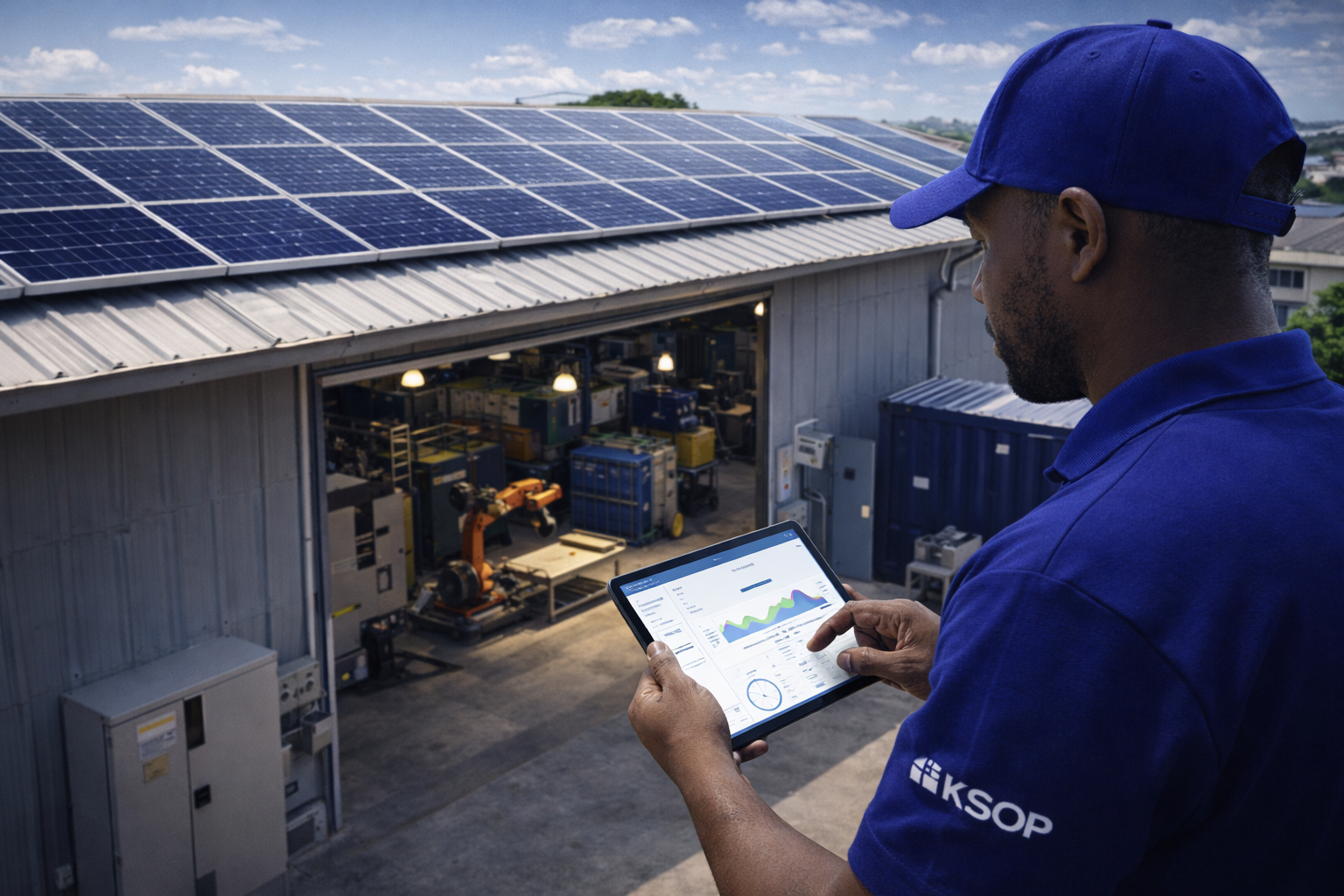
Electricity remains one of the biggest operational challenges for small factories in Nigeria. From unstable grid supply to the high cost of diesel and petrol generators, energy expenses can significantly reduce profit margins. As a result, many factory owners are turning to solar power as a long-term, cost-effective energy solution.
But one of the most common questions business owners ask is: How much does it cost to set up solar power in a small factory?
The answer depends on several factors, including energy consumption, equipment type, battery storage capacity, and installation quality. In this comprehensive guide, we break down the costs, components, financial considerations, and long-term benefits of installing solar power in a small factory.
Why Small Factories Are Switching to Solar
Before discussing cost, it’s important to understand why solar energy is becoming popular among manufacturers.
- Rising Fuel Prices
Diesel and petrol costs fluctuate frequently, making generator-powered production unpredictable and expensive.
- Unreliable Grid Electricity
Frequent outages disrupt operations, delay production, and damaged equipment.
- Long-Term Savings
Solar systems reduce operational energy costs after initial investment.
- Energy Independence
Solar gives factories control over their power supply.
Key Factors That Determine Solar Installation Cost
The cost of setting up solar power in a small factory depends on the following:
- Energy Consumption (Load Requirement)
The first step is conducting a load assessment. A factory running:
- Welding machines
- Compressors
- Packaging equipment
- Industrial lighting
- Office appliances
Will require more power than a small workshop using only light machinery.
A typical small factory may require between 10kW to 50kW solar capacity, depending on production scale.
- Solar Panel Capacity
Solar panels are priced per watt. The larger the system, the higher the total panel cost.
For example:
- 10kW system requires approximately 18-22 panels (depending on wattage rating).
- 50kW system requires significantly more panels and installation space.
Panel quality also affects price. Monocrystalline panels are more efficient and cost more than polycrystalline panels.
- Inverter System
Factories require industrial-grade hybrid or three-phase inverters.
Cost varies depending on:
- Power rating (10kVA, 20kVA, 50kVA etc.)
- Hybrid capability (battery + grid integration)
- Brand and efficiency rating
Industrial inverters are more expensive than residential units but necessary for stable operation.
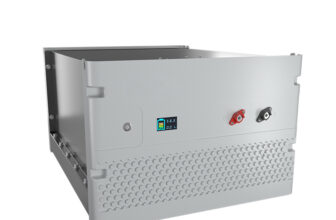
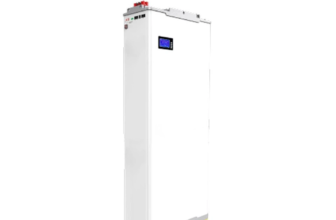
- Battery Storage System
Battery storage ensures power availability at night or during cloudy weather.
Factories typically use:
- Lithium-ion batteries (higher cost, longer lifespan)
- Tubular lead-acid batteries (lower cost, shorter lifespan)
Battery capacity depends on:
- Operating hours
- Backup requirement
- Critical demand
Batteries can account for 30-50% of total system cost.
- Mounting Structures & Installation
Industrial solar systems require:
- Strong mounting frames
- Roof or ground installation
- Proper cable sizing
- Circuit protection
- Surge arrestors
- Earthing system
Labor and engineering costs vary depending on system complexity.
Estimated Cost Breakdown in Nigeria
Below is a general estimate for small factory solar installation:
10kW – 15kW System
Suitable for light industrial operations.
Estimated Cost:
₦8 million – ₦15 million
(Depending on battery capacity and inverter type)
20kW – 30kW System
Suitable for medium-scale production.
Estimated Cost:
₦18 million – ₦35 million
40kW – 50kW System
For larger small factories.
Estimated Cost:
₦40 million – ₦75 million+
Note: These figures vary based on equipment quality, installation design, and battery storage capacity.
On-Grid vs Hybrid vs Off-Grid Systems
On-Grid System
- No batteries
- Lower initial cost
- Depending on public electricity
Best for factories with stable grid supply.
Hybrid System
- Uses solar + battery + grid
- Medium to high cost
- Flexible and reliable
Most recommended for Nigerian factories.
Off-Grid System
- 100% solar + battery
- Highest upfront cost
- Complete energy independence
Ideal for factories in remote locations.
Return on Investment (ROI)
Although solar installation requires significant upfront capital, it offers long-term savings.
Example Scenario:
A small factory spending ₦2 million monthly on diesel:
Annual diesel cost: ₦24 million
With solar:
- Diesel cost may be reduced by 60-80%
- Payback period: 2-4 years (depending on system size)
After payback, electricity cost becomes minimal.
Additional Cost Considerations
- Maintenance
Solar systems require minimal maintenance:
- Panel cleaning
- Battery inspection
- System monitoring
Annual maintenance cost is relatively low compared to generator servicing.
- Space Requirement
Factories must have adequate roof or ground space for panels.
A 10kW system may require about 50-70 square meters.
- Future Expansion
Choose a scalable system design to accommodate business growth.
Benefits of Installing Solar in a Small Factory
Lower Operating Costs
Reduce fuel expenses drastically.
Increased Productivity
No more downtime due to power outages.
Equipment Protection
Stable power reduces machinery damage.
Environmental Compliance
Supports corporate sustainability goals.
Competitive Advantage
Lower production costs increase profit margins.
Common Mistakes to Avoid
- Choosing cheapest installer without verification
- Undersizing system to reduce costs
- Ignoring battery capacity planning
- Skipping load analysis
- Poor cable sizing
Professional system design ensures efficiency and safety.
How to Choose the Right Solar Installer
When selecting a company:
- Check previous industrial projects
- Request load assessment
- Verify equipment brands
- Confirm warranty coverage
- Ask for detailed proposal
Experienced installers provide transparent cost breakdown and technical explanations.
Is Solar Worth It for Small Factories?
Absolutely.
With Nigeria’s rising energy cost and unstable power supply, solar energy provides:
- Long-term financial savings
- Reliable production power
- Reduced operational risk
- Energy independence
Though initial cost may seem high, the long-term return makes it a smart investment for factory owners.
Conclusion
The cost of setting up solar power in a small factory depends largely on energy needs, battery capacity, and system type. While prices can range from ₦8 million to over ₦70 million depending on size, the long-term savings often justify the investment.
By conducting proper load analysis, choosing quality components, and working with professional installers, factory owners can enjoy reliable, cost-effective power for years to come.
Solar power is no longer just an alternative -it is becoming a necessity for sustainable industrial growth in Nigeria.
Meta Description
Discover the cost of setting up solar power in a small factory in Nigeria, including system size, battery storage, installation expenses, and long-term return on investment.
Keywords
Electricity remains one of the biggest operational challenges for small factories in Nigeria. From unstable grid supply to the high cost of diesel and petrol generators, energy expenses can significantly reduce profit margins. As a result, many factory owners are turning to solar power as a long-term, cost-effective energy solution.
But one of the most common questions business owners ask is: How much does it cost to set up solar power in a small factory?
The answer depends on several factors, including energy consumption, equipment type, battery storage capacity, and installation quality. In this comprehensive guide, we break down the costs, components, financial considerations, and long-term benefits of installing solar power in a small factory.
Why Small Factories Are Switching to Solar
Before discussing cost, it’s important to understand why solar energy is becoming popular among manufacturers.
- Rising Fuel Prices
Diesel and petrol costs fluctuate frequently, making generator-powered production unpredictable and expensive.
- Unreliable Grid Electricity
Frequent outages disrupt operations, delay production, and damaged equipment.
- Long-Term Savings
Solar systems reduce operational energy costs after initial investment.
- Energy Independence
Solar gives factories control over their power supply.
Key Factors That Determine Solar Installation Cost
The cost of setting up solar power in a small factory depends on the following:
- Energy Consumption (Load Requirement)
The first step is conducting a load assessment. A factory running:
- Welding machines
- Compressors
- Packaging equipment
- Industrial lighting
- Office appliances
Will require more power than a small workshop using only light machinery.
A typical small factory may require between 10kW to 50kW solar capacity, depending on production scale.
- Solar Panel Capacity
Solar panels are priced per watt. The larger the system, the higher the total panel cost.
For example:
- 10kW system requires approximately 18-22 panels (depending on wattage rating).
- 50kW system requires significantly more panels and installation space.
Panel quality also affects price. Monocrystalline panels are more efficient and cost more than polycrystalline panels.
- Inverter System
Factories require industrial-grade hybrid or three-phase inverters.
Cost varies depending on:
- Power rating (10kVA, 20kVA, 50kVA etc.)
- Hybrid capability (battery + grid integration)
- Brand and efficiency rating
Industrial inverters are more expensive than residential units but necessary for stable operation.
- Battery Storage System
Battery storage ensures power availability at night or during cloudy weather.
Factories typically use:
- Lithium-ion batteries (higher cost, longer lifespan)
- Tubular lead-acid batteries (lower cost, shorter lifespan)
Battery capacity depends on:
- Operating hours
- Backup requirement
- Critical demand
Batteries can account for 30-50% of total system cost.
- Mounting Structures & Installation
Industrial solar systems require:
- Strong mounting frames
- Roof or ground installation
- Proper cable sizing
- Circuit protection
- Surge arrestors
- Earthing system
Labor and engineering costs vary depending on system complexity.
Estimated Cost Breakdown in Nigeria
Below is a general estimate for small factory solar installation:
10kW – 15kW System
Suitable for light industrial operations.
Estimated Cost:
₦8 million – ₦15 million
(Depending on battery capacity and inverter type)
20kW – 30kW System
Suitable for medium-scale production.
Estimated Cost:
₦18 million – ₦35 million
40kW – 50kW System
For larger small factories.
Estimated Cost:
₦40 million – ₦75 million+
Note: These figures vary based on equipment quality, installation design, and battery storage capacity.
On-Grid vs Hybrid vs Off-Grid Systems
On-Grid System
- No batteries
- Lower initial cost
- Depending on public electricity
Best for factories with stable grid supply.
Hybrid System
- Uses solar + battery + grid
- Medium to high cost
- Flexible and reliable
Most recommended for Nigerian factories.
Off-Grid System
- 100% solar + battery
- Highest upfront cost
- Complete energy independence
Ideal for factories in remote locations.
Return on Investment (ROI)
Although solar installation requires significant upfront capital, it offers long-term savings.
Example Scenario:
A small factory spending ₦2 million monthly on diesel:
Annual diesel cost: ₦24 million
With solar:
- Diesel cost may be reduced by 60-80%
- Payback period: 2-4 years (depending on system size)
After payback, electricity cost becomes minimal.
Additional Cost Considerations
- Maintenance
Solar systems require minimal maintenance:
- Panel cleaning
- Battery inspection
- System monitoring
Annual maintenance cost is relatively low compared to generator servicing.
- Space Requirement
Factories must have adequate roof or ground space for panels.
A 10kW system may require about 50-70 square meters.
- Future Expansion
Choose a scalable system design to accommodate business growth.
Benefits of Installing Solar in a Small Factory
Lower Operating Costs
Reduce fuel expenses drastically.
Increased Productivity
No more downtime due to power outages.
Equipment Protection
Stable power reduces machinery damage.
Environmental Compliance
Supports corporate sustainability goals.
Competitive Advantage
Lower production costs increase profit margins.
Common Mistakes to Avoid
- Choosing cheapest installer without verification
- Undersizing system to reduce costs
- Ignoring battery capacity planning
- Skipping load analysis
- Poor cable sizing
Professional system design ensures efficiency and safety.
How to Choose the Right Solar Installer
When selecting a company:
- Check previous industrial projects
- Request load assessment
- Verify equipment brands
- Confirm warranty coverage
- Ask for detailed proposal
Experienced installers provide transparent cost breakdown and technical explanations.
Is Solar Worth It for Small Factories?
Absolutely.
With Nigeria’s rising energy cost and unstable power supply, solar energy provides:
- Long-term financial savings
- Reliable production power
- Reduced operational risk
- Energy independence
Though initial cost may seem high, the long-term return makes it a smart investment for factory owners.
Conclusion
The cost of setting up solar power in a small factory depends largely on energy needs, battery capacity, and system type. While prices can range from ₦8 million to over ₦70 million depending on size, the long-term savings often justify the investment.
By conducting proper load analysis, choosing quality components, and working with professional installers, factory owners can enjoy reliable, cost-effective power for years to come.
Solar power is no longer just an alternative -it is becoming a necessity for sustainable industrial growth in Nigeria.