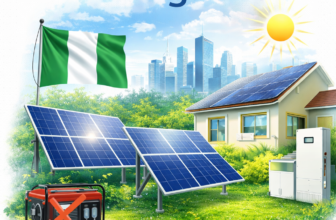
As electricity challenges continue across Nigeria, more households and businesses are turning to solar energy solutions for reliable and cost-effective power. The growing demand has created massive opportunities – but unfortunately, it has also opened the door for fraudsters and unqualified installers looking to exploit unsuspecting customers.
Solar systems require significant investment, and falling victim to scams can lead to financial loss, unsafe installations, or complete system failure. Understanding how these scams work and how to avoid them is essential for anyone planning to go solar.
This guide explores the most common solar scams in Nigeria, warning signs to watch for, and practical steps to protect yourself before investing in a solar installation.
Why Solar Scams Are Increasing in Nigeria
The solar industry in Nigeria is expanding rapidly due to:
- Rising fuel costs
- Unreliable grid power supply
- Increasing awareness of renewable energy
- Government and private sector energy initiatives
Because the industry is still developing and not always tightly regulated, dishonest operators sometimes take advantage of customers who lack technical knowledge about solar systems. Many victims only realize the deception after installation -or worse, after making payment with no service delivered.
Common Solar Scams in Nigeria
- Fake or Substandard Equipment
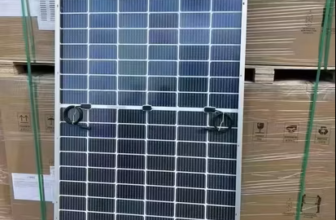
One of the most widespread scams involves selling counterfeit or low-quality solar components disguised as premium brands.
How it happens:
- Panels are relabeled to appear higher wattage
- Batteries are refurbished but sold as new
- Inverters are generic units branded as top-tier models
Risks:
- Reduced system performance
- Short lifespan
- Fire hazards or electrical faults
How to avoid it:
- Request product serial numbers and verify authenticity
- Ask for warranty documentation
- Buy from reputable installers or distributors
- Unrealistic Pricing Promises
If a deal sounds too good to be true -it usually is.
Scam pattern:
Fraudsters advertise extremely cheap solar packages to attract customers. After payment:
- Installation never happens
- Components delivered are inferior
- Hidden charges appear
Prevention tips:
- Compare multiple quotes
- Be cautious of prices far below market average
- Ensure written agreement before payment
- Disappearing Installers
Some scammers pose as installers, collect deposits, and vanish.
Red flags:
- No business address
- No online presence or references
- Pressure for quick upfront payment
Protection steps:
- Verify business registration
- Request customer references
- Pay through traceable channels
- Oversized or Undersized System Design
Dishonest vendors may intentionally recommend wrong system sizes.
Overselling:
- Suggesting larger systems than needed
- Charging more for unnecessary equipment
Underselling:
- Installing smaller systems that fail to meet power needs
Result:
- Financial loss
- Poor energy performance
Solution:
- Request a load analysis
- Seek second opinion from another professional
- Fake Warranty Claims
Some installers promise long warranties that don’t exist.
Typical scam:
- Warranty not backed by manufacturer
- Installer disappears when issues arise
How to stay safe:
- Confirm warranty provider
- Keep official documentation
- Verify brand support channels
- Incomplete Installation
Another common issue is partial delivery of promised services.
Examples:
- No grounding system
- Poor wiring protection
- Missing surge protection
- Incorrect battery setup
This leads to safety hazards and system breakdowns.
Avoidance:
- Request detailed installation scope
- Inspect system after completion
- Work with certified technicians
- Misleading Energy Production Claims
Some sellers exaggerate system capabilities.
Claims like:
- “Power your entire house 24/7”
- “No battery needed”
- “Unlimited electricity”
Solar output depends on:
- Panel size
- Battery capacity
- Sunlight conditions
- Load consumption
What to do:
- Ask for realistic projections
- Understand system limitations
- Demand technical explanation
Warning Signs of a Solar Scam
Watch out for:
- No written contract
- Lack of technical explanation
- Pushy sales tactics
- Only accepting cash payments
- No physical office location
- No past project portfolio
- Poor communication
These indicators suggest potential risk.
Practical Steps to Avoid Solar Fraud
Do Proper Research
- Read company reviews
- Check previous installations
- Ask industry professionals
Get Multiple Quotes
Comparing proposals helps identify inconsistencies or inflated claims.
Verify Installer Credentials
- Confirm company registration
- Check experience level
- Review certifications
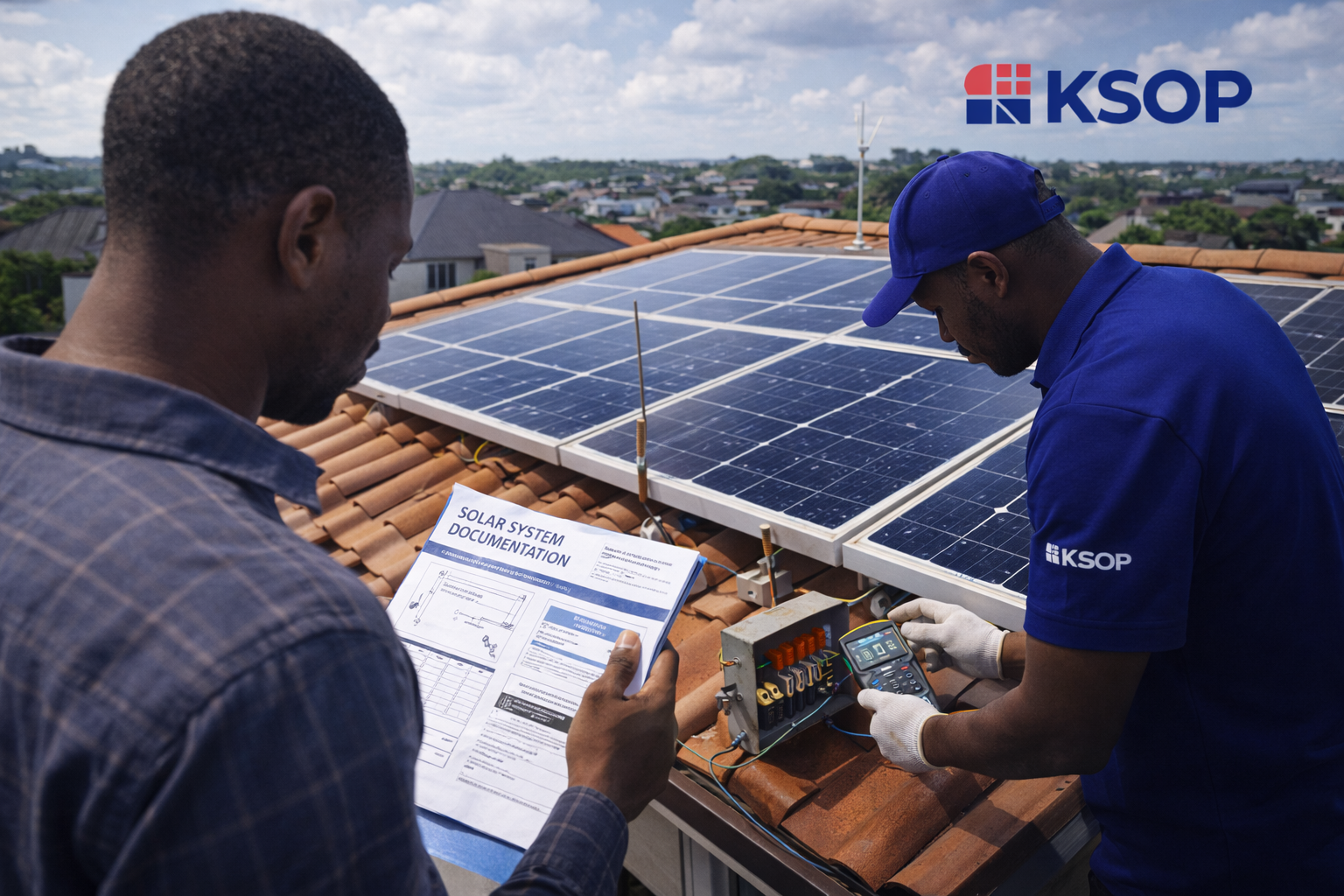
Demand System Documentation
- Component specifications
- Design plan
- Warranty terms
Inspect Equipment
Before installation:
- Confirm model numbers
- Check packaging integrity
- Verify authenticity
Use Secure Payment Methods
Avoid untraceable transfers or cash-only arrangements.
The Importance of Working with Professionals
Choosing a reputable solar company ensures:
- Proper system design
- Genuine equipment
- Safe installation
- After-sales support
- Warranty protection
Professional installers prioritize long-term performance rather than quick profit.
Educating Yourself as a Solar Buyer
Knowledge is your strongest protection against scams.
Understand basics such as:
- Solar panel types
- Battery capacity ratings
- Inverter classifications
- Energy consumption patterns
You don’t need expert-level knowledge -just enough to ask the right questions.
The Future of Solar in Nigeria
Despite the presence of scams, solar energy remains one of the most reliable solutions to Nigeria’s power challenges. Industry awareness, consumer education, and professional standards are steadily improving.
By staying informed and cautious, homeowners and businesses can confidently transition to clean energy while avoiding fraudulent practices.
Conclusion
Solar power is an excellent investment that delivers energy independence, cost savings, and environmental benefits. However, the rise in demand has also attracted dishonest actors.
Recognizing common scams -from fake equipment and unrealistic pricing to disappearing installers -allows you to make safer decisions. Always verify credentials, request documentation, compare options, and work with reputable professionals.
A well-installed solar system should provide peace of mind, not stress. Taking the right precautions ensures you enjoy reliable power and long-term value from your investment.