
As solar energy adoption continues to rise across Nigeria, choosing the right battery technology has become one of the most important decisions for homeowners, businesses, schools, and industries. Batteries determine how long your power lasts, how reliable your system is, and how much maintenance and replacement cost you’ll face over time.
Two of the most commonly used battery types in solar and inverter systems today are Lithium batteries and Tubular batteries. While both serve the same core purpose-energy storage-their performance, lifespan, efficiency, and cost differ significantly.
In this comprehensive guide, we’ll compare Lithium batteries vs Tubular batteries, explain how each works, outline their advantages and disadvantages, and help you decide which option is best for your solar power needs in Nigeria.
Understanding Solar Battery Technology
Solar batteries store excess electricity generated by solar panels during the day and release it when sunlight is unavailable-at night or during grid outages. The quality of your battery affects:
- Backup time
- Power stability
- System efficiency
- Maintenance cost
- Long-term return on investment
Choosing the wrong battery type can lead to frequent replacements, poor performance, and unnecessary expenses.
What Are Tubular Batteries?
Tubular batteries are a type of lead-acid battery commonly used in inverters and solar backup systems across Nigeria. They use thick tubular plates immersed in liquid electrolyte (distilled water and acid), which helps improve durability compared to flat plate batteries.
Key Features of Tubular Batteries
- Flooded lead-acid technology
- Requires regular water topping
- Heavy and bulky design
- Lower upfront cost
- Widely available in Nigeria
Advantages of Tubular Batteries
- Affordable Initial Cost
Tubular batteries are cheaper to purchase, making them attractive for budget-conscious users and small inverter setups. - Proven and Familiar Technology
They’ve been used in Nigeria for decades. Most technicians and users are familiar with their installation and maintenance. - Good for Low to Moderate Usage
They perform reasonably well for homes with limited appliances and short backup needs.
Disadvantages of Tubular Batteries
- High Maintenance Requirements
Tubular batteries require frequent topping of distilled water and regular monitoring. Poor maintenance drastically reduces lifespan. - Shorter Lifespan
Typical lifespan ranges from 2 to 4 years, depending on usage and care. - Lower Depth of Discharge (DoD)
They should not be discharged beyond 50-60%, which limits usable energy. - Slow Charging
Tubular batteries take longer to charge, especially when powered by solar panels alone. - Bulky and Space-Consuming
They occupy more space and are less suitable for compact installations.
What Are Lithium Batteries?
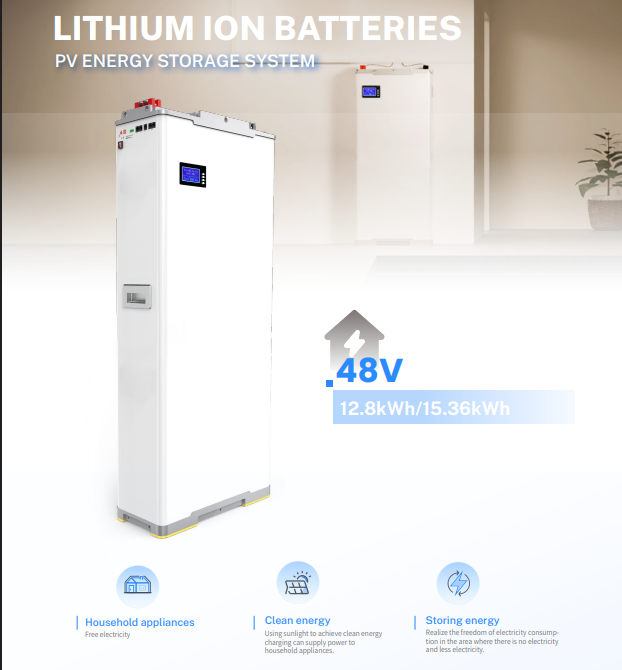
Lithium batteries-especially Lithium Iron Phosphate (LiFePO₄)-are modern, high-performance energy storage solutions designed for solar and inverter systems. They are rapidly becoming the preferred choice for reliable solar installations in Nigeria.
Key Features of Lithium Batteries
- Advanced lithium-ion technology
- Built-in Battery Management System (BMS)
- Maintenance-free
- Lightweight and compact
- High efficiency
Advantages of Lithium Batteries
- Long Lifespan
Lithium batteries last 8 to 15 years, offering over 4,000-6,000 charge cycles-far more than tubular batteries. - High Depth of Discharge
They can safely discharge up to 90-100%, allowing you to use nearly all stored energy. - Fast Charging
Lithium batteries charge quickly from solar panels, generators, or grid power. - Zero Maintenance
No water topping, no corrosion checks, and no acid handling-perfect for busy homeowners and commercial users. - Compact and Lightweight
They save space and allow for cleaner, more professional installations. - Higher Efficiency
Lithium batteries deliver 95-98% efficiency, meaning minimal energy loss. - Smart Safety Protection
Built-in BMS protects against overcharging, overheating, short circuits, and deep discharge.
Disadvantages of Lithium Batteries
- Higher Initial Cost
Lithium batteries are more expensive upfront, though cheaper in the long run. - Quality Matters
Low-quality lithium batteries without proper BMS can fail prematurely. Professional installation is essential.
Lithium vs Tubular Batteries: Side-by-Side Comparison
| Feature | Lithium Batteries | Tubular Batteries |
| Lifespan | 8-15 years | 2-4 years |
| Maintenance | None | Regular water topping |
| Depth of Discharge | 90-100% | 50-60% |
| Charging Speed | Fast | Slow |
| Weight & Size | Light & compact | Heavy & bulky |
| Efficiency | 95-98% | 70-80% |
| Safety | Advanced BMS | Risk of acid spill |
| Upfront Cost | High | Low |
| Long-Term Cost | Lower | Higher |
Cost Comparison in Nigeria (2026 Estimate)
Tubular Battery Prices
- 200Ah Tubular Battery: ₦220,000 – ₦350,000
- Typical replacement every 2-3 years
Lithium Battery Prices
- 5kWh Lithium Battery: ₦1.8M – ₦2.8M
- 10kWh Lithium Battery: ₦3.5M – ₦5M
- Lifespan up to 10+ years
While tubular batteries appear cheaper initially, lithium batteries are significantly more cost-effective over time.
Which Battery Is Best for You?
Choose Tubular Batteries If:
- You are on a tight budget
- You need short backup time
- You don’t mind regular maintenance
- Your energy usage is low
Choose Lithium Batteries If:
- You want long-term reliability
- You use solar panels extensively
- You need stable power for offices or businesses
- You want minimal maintenance
- You care about efficiency and safety
For most modern solar systems in Nigeria, lithium batteries are the smarter investment.
Why Professionals Recommend Lithium Batteries for Solar
With Nigeria’s unstable grid power, rising fuel costs, and increasing electricity demand, lithium batteries offer:
- Better performance during frequent outages
- Faster solar charging even in limited sunlight
- Consistent voltage for sensitive appliances
- Lower total cost of ownership
At KSOP Global Limited, lithium batteries are recommended for clients who want long-term peace of mind, reduced maintenance, and reliable power delivery.
Final Verdict: Lithium vs Tubular Batteries
Both lithium and tubular batteries have their place in solar energy systems. However, when evaluated on efficiency, durability, maintenance, safety, and long-term savings, lithium batteries clearly outperform tubular batteries.
If you are planning a new solar installation or upgrading an existing system, investing in lithium battery technology ensures better performance, fewer replacements, and greater energy independence.