
Lagos homeowners are increasingly switching to solar energy as a reliable and cost-saving alternative to the unstable grid and the rising cost of diesel and petrol. But before installing any solar solution, one factor determines everything – sizing the right solar system. A system that is too small will underperform and frustrate you. One that is too large becomes unnecessarily expensive. The key to a successful solar installation is striking the right balance.
This comprehensive guide explains exactly how to size the right solar system for your Lagos home, using clear steps, practical examples, and expert advice. It also highlights why working with professional installers like KSOP Global Limited ensures efficiency, durability, and the best return on your investment.
Why Solar Sizing Matters in Lagos
Solar sizing is the process of determining how many solar panels, what inverter size, and what battery capacity your home needs. In a city like Lagos, this is especially crucial because:
- Electricity usage patterns differ between estates, apartments, and standalone buildings.
- Grid instability means you may need strong backup capacity.
- Space constraints – many Lagos homes have limited roof space.
- High energy demands from appliances such as air conditioners, pumps, fridges, and freezers.
- Weather patterns – Lagos has good sunshine but also long rainy seasons, which affect performance.
A properly sized system ensures you get reliable power, better efficiency, longer equipment lifespan, and maximum savings on your monthly NEPA bills.
Step 1: Determine Your Daily Energy Consumption
The first step in sizing your solar system is to calculate how much electricity you use daily. This is measured in kilowatt-hours (kWh).
How to calculate it manually
List out your appliances, their wattage, and the number of hours you use them per day. Then calculate:
Wattage × Hours Used = Daily Watt-Hours
Example:
| Appliance | Power (W) | Hours/Day | Total (Wh) |
| Fridge | 150W | 24 hrs | 3600 Wh |
| TV | 80W | 6 hrs | 480 Wh |
| AC (1HP) | 750W | 5 hrs | 3750 Wh |
| Lighting | 120W | 8 hrs | 960 Wh |
| Water Pump | 1000W | 1 hr | 1000 Wh |
| Phone/Device charging | 50W | 4 hrs | 200 Wh |
Total Daily Energy = 9,990 Wh ≈ 10 kWh per day
This is a typical consumption for a medium-sized Lagos household.
Using electricity bills
If you have PHCN/IKEDC/EKEDC bills, check the monthly kWh usage and divide by 30 to estimate daily consumption.
Step 2: Identify What You Want to Power with Solar
Not everyone wants a full solar home. Lagos residents usually choose from these three categories:
1. Essential Loads (Backup Only)
This powers critical devices such as:
- Lights
- Fans
- TV
- Router
- Small electronics
This option is budget-friendly and ideal for people who mainly want backup during outages.
2. Essential + Medium Loads
This category powers additional appliances:
- Fridges
- Freezers
- Water pumps
- A few AC units (efficient inverter ACs preferred)
3. Full Solar Home (100% Load)
This covers:
- All household appliances
- Multiple ACs
- Pumps
- Kitchen equipment
- Entertainment and home office setups
This is the most expensive but gives the highest independence from the grid.
Your choice determines your panel count, inverter size, and battery bank.
Step 3: Calculate the Required Solar Panel Capacity
After determining daily kWh usage, divide it by peak sun hours in Lagos. Lagos averages about 4-5 peak sun hours per day.
Example:
10 kWh ÷ 4.5 hours = 2.22 kW solar array needed
To ensure reliability and account for cloudy days, add a buffer:
2.22 kW × 1.3 = 2.8 kW system
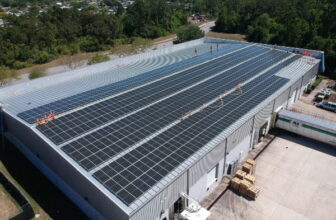
Most Lagos homes need 3-5 kW solar arrays depending on appliance usage.
Panel Count Calculation
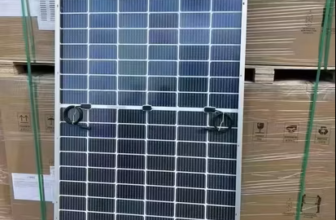
If using 550W high-efficiency panels:
2,800W ÷ 550W ≈ 5 panels
For a larger home consuming 15-20 kWh daily, you may need 8-12 panels depending on your solar design.
Step 4: Choose the Right Inverter Size
In Lagos, hybrid inverters are the most practical due to grid instability.
Inverter sizing rule of thumb
Your inverter must handle the highest load you may run at once.
Typical recommendations:
- 5-3kVA – small flats (lights, fans, TV)
- 5-5kVA – medium homes with fridges and pumps
- 5-10kVA – larger homes with ACs
- 10-15kVA – full luxury homes or mini-estates
Most Lagos households fall within the 5kVA-10kVA range.
KSOP Global Limited supplies and installs hybrid inverters that automatically switch between solar, battery, and grid without interruption – perfect for Lagos homes.
Step 5: Size Your Battery Bank Properly
Backup duration depends on your battery capacity. Lagos homes typically need:
- 5-10 kWh for essential loads
- 10-20 kWh for medium loads
- 20-40+ kWh for full homes
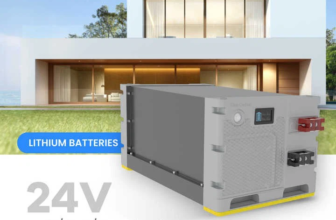
Lithium batteries vs lead-acid
| Feature | Lithium | Lead-Acid |
| Lifespan | 8-12 years | 2-4 years |
| Depth of discharge | 80-95% | 30-50% |
| Space required | Small | Large |
| Cost | Higher | Lower |
Most modern solar homes in Lagos choose lithium batteries for long-term performance.
Step 6: Consider Roof Size and Orientation
Many Lagos homes face roof limitations, especially in densely built neighborhoods such as Lekki, Yaba, Surulere, Ikeja, Festac, and Ajah.
What to check
- Available square meters
- Roof angle
- Shade from trees or nearby buildings
- Roof material (aluminum, stone-coated, concrete)
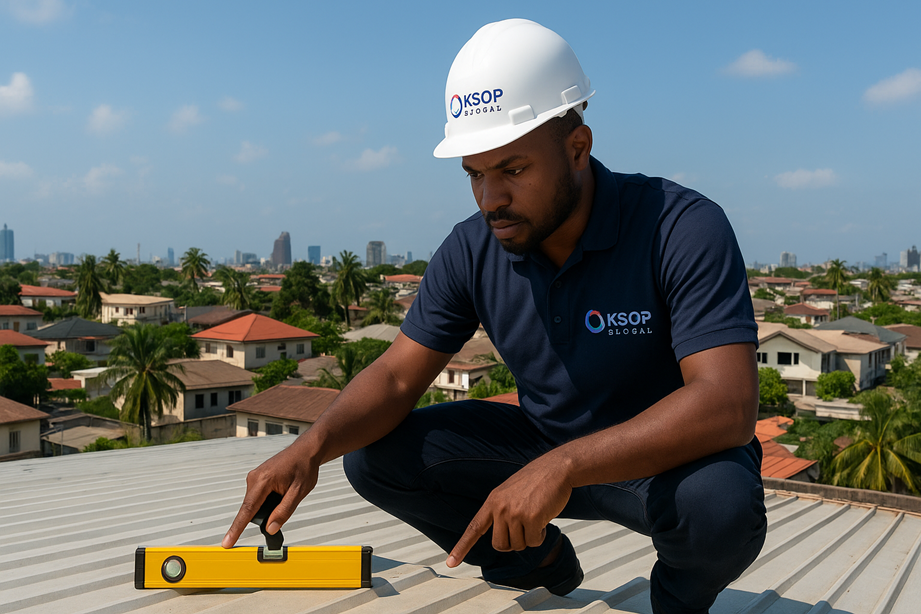
KSOP technicians conduct site surveys to assess suitability before giving a proposal.
Step 7: Work with Professional Solar Installers
Sizing is technical and errors can cost you hundreds of thousands of naira. A professional installer evaluates:
- Load profile
- Roof direction
- Backup needs
- Appliance efficiency
- Future usage
- Solar expansion options
KSOP Global Limited provides:
- Site assessment
- Energy audit
- Correct sizing
- Professional installation
- Warranty support
- Maintenance and monitoring services
This ensures your solar system is neither underpowered nor oversized – just right for long-term performance.
Sample Solar System Sizes for Lagos Homes
1. Small Home / Apartment
Load: lights, fans, router, TV
Suggested system:
- 3 kVA inverter
- 2-3 kW solar panels
- 5-7 kWh battery bank
2. Medium Home
Load: fridge, freezer, fans, TV, pumps
Suggested system:
- 5 kVA inverter
- 4-6 kW solar panels
- 10-15 kWh battery bank
3. Large Home
Load: multiple ACs + all appliances
Suggested system:
- 10 kVA hybrid inverter
- 8-12 kW solar panels
- 20-30 kWh lithium batteries
These numbers vary based on your home and should be professionally sized.
Final Thoughts: Get Your Solar Sizing Right From Day One
A properly sized solar system gives you:
- Lower power bills
- Reliable backup during outages
- Longer battery lifespan
- Higher efficiency
- Maximum return on investment
To avoid mistakes and get a professionally designed system tailored for Lagos living conditions, consult with experts like KSOP Global Limited, who specialize in hybrid solar systems for Nigerian homes and businesses.