
Solar energy systems are rapidly becoming the preferred power solution for homes, businesses, factories, and event centers across Nigeria. While most people focus on solar panels, inverters, and batteries, one critical component is often overlooked – cable capacity.
Improper cable sizing is one of the leading causes of overheating, system inefficiency, equipment damage, and in severe cases, fire outbreaks in solar installations.
In this detailed guide, we explain why using the appropriate cable capacity in solar installations is essential, how cable sizing works, the risks of undersized cables, and how to ensure your solar system is safe and efficient.
Understanding Cable Capacity in Solar Installations
Cable capacity refers to the maximum electrical current (ampere rating) a cable can safely carry without overheating. In solar systems, cables connect:
- Solar panels to charge controllers
- Charge controllers to batteries
- Batteries to inverters
- Inverters to distribution boards
- Distribution boards to appliances
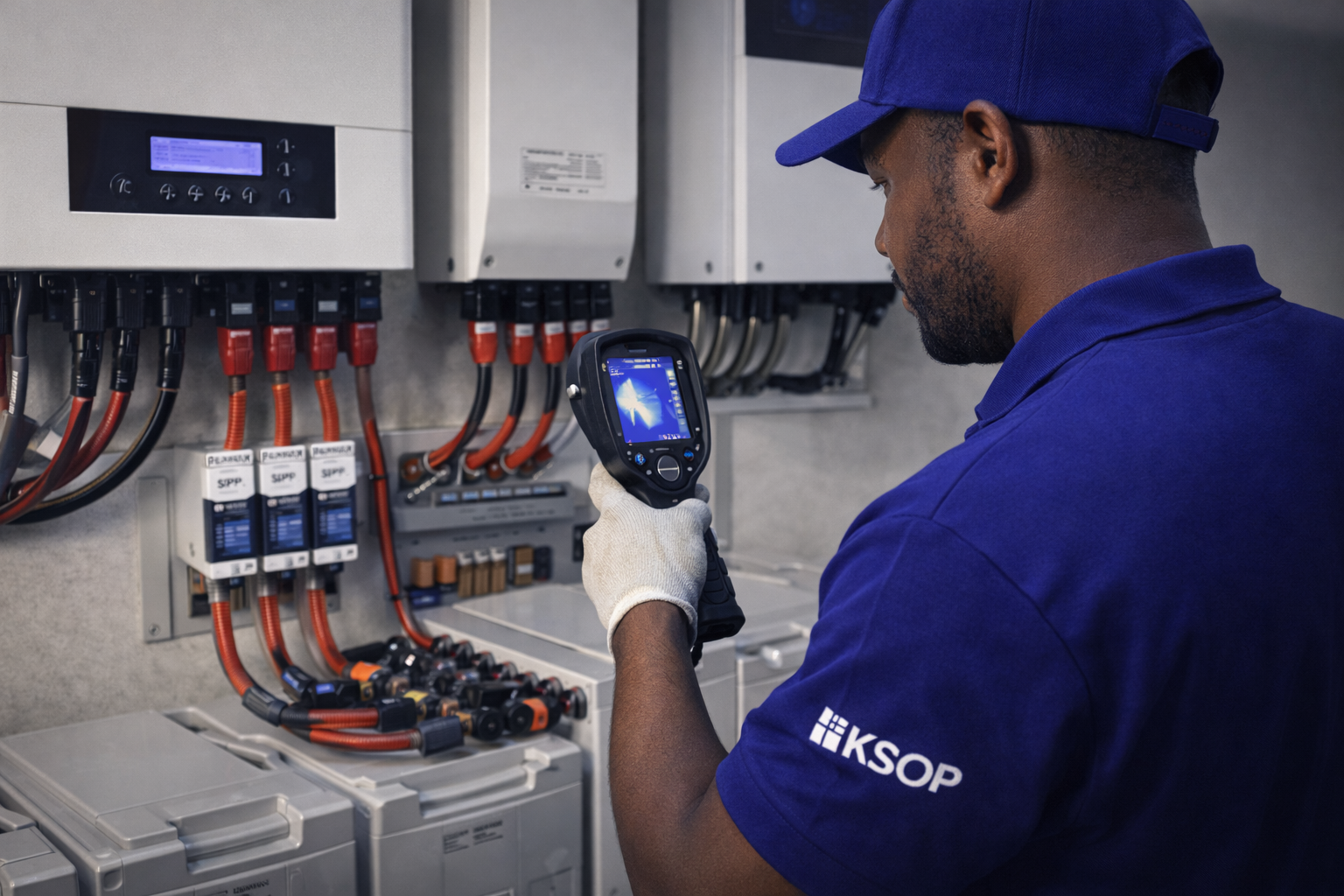
Each of these connections carries specific voltage and current levels. If the cable cannot handle the required current, it generates excessive heat – and heat is a major cause of electrical fires.
Why Proper Cable Sizing Is Critical
- Prevents Overheating
Electric current flowing through a conductor produces heat. When a cable is undersized:
- Resistance increases
- Heat builds up
- Insulation melts
- Sparks may occur
This overheating can ignite surrounding materials, especially in rooftops or battery rooms.
- Avoids Voltage Drop
Voltage drop occurs when electricity loses strength as it travels through a cable.
Undersized cables:
- Reduce system efficiency
- Lower inverter performance
- Drain batteries faster
- Cause appliances to malfunction
Proper cable sizing minimizes voltage loss and ensures optimal performance.
- Protects Expensive Solar Equipment
Solar inverters, lithium batteries, and MPPT charge controllers are high-value components. Poor cable capacity can:
- Damage inverters
- Trigger fault shutdowns
- Shorten battery lifespan
- Cause frequent system trips
Using the correct cable size protects your investment.
- Reduces Fire Risk
In Nigeria, several electrical fires are linked to poor wiring practices. In solar installations, the risks increase due to:
- High DC voltage from panels
- Continuous current flow during sunlight hours
- Battery discharge cycles
A properly sized cable dramatically reduces the risk of fire outbreak.
What Causes Solar Cable Fires?
Here are the most common reasons:
- Undersized DC Cables
DC current from panels can be very high. Small cables cannot handle high amperage.
- Poor Quality Cables
Cheap cables with low copper content overheat easily.
- Long Cable Runs Without Compensation
The longer the distance, the thicker the cable required.
- Improper Termination
Loose lugs and connectors cause resistance heating.
- Lack of Protective Devices
No fuses, breakers, or surge protection increases danger.
How to Determine the Appropriate Cable Capacity
Professional installers calculate cable size based on:
- Current (Amps)
The higher the current, the thicker the cable required.
Formula:
Power (W) ÷ Voltage (V) = Current (A)
Example:
5000W inverter at 48V battery system:
5000 ÷ 48 = approximately 104A
This requires heavy-duty battery cables.
- Voltage Level
Solar systems operate at:
- 12V
- 24V
- 48V
- 220V/230V AC
- 415V three-phase
Lower voltage systems require thicker cables because they carry higher current.
- Cable Length
Longer distances increase resistance. To compensate:
- Increase cable cross-sectional area
- Reduce voltage drop
- Installation Environment
Temperature affects cable performance.
Cables installed:
- On rooftops (high heat exposure)
- Inside conducts
- Underground
May require higher capacity ratings.
Recommended Cable Types for Solar Installations
- Solar DC Cables
UV-resistant, double-insulated, designed for outdoor rooftop use.
- Battery Cables
Thick copper cables capable of handling high discharge currents.
- AC Cables
Used from inverter to distribution board.
- Armored Cables
Used for underground or outdoor heavy-duty installations.
Always choose high-purity copper cables for safety and efficiency.
Signs Your Solar Cables Are Undersized
Watch for:
- Burning smell
- Melted insulation
- Discolored wires
- Frequent inverter shutdown
- Battery overheating
- Flickering appliances
If any of these occur, contact a professional immediately.
Real Cost of Ignoring Proper Cable Capacity
Many property owners try to cut installation costs by:
- Using smaller cables
- Buying cheap wiring
- Ignoring professional recommendations
Short-term savings often result in:
- Equipment damage
- Fire outbreak
- Insurance denial
- Property loss
- Personal injury
The cost of replacing a burnt inverter or rebuilding after a fire is far higher than investing in proper cable sizing.
Fire Safety Best Practices for Solar Systems
To avoid fire outbreak:
- Conduct Professional Load Analysis
Never guess cable size.
- Use Certified Electricians
Solar installation requires technical expertise.
- Install DC & AC Circuit Breakers
Breakers disconnect power during faults.
- Install Surge Protection Devices
Lightning and voltage spikes are common in Nigeria.
- Ensure Proper Earthing
Grounding prevents electrical buildup.
- Use Quality Components
Avoid counterfeit cables and connectors.
Importance of Compliance with Electrical Standards
Professional solar installers follow:
- IEC electrical standards
- Nigerian wiring regulations
- Manufacturer cable specifications
Compliance ensures system durability and insurance validity.
Why Cable Capacity Matters More in Nigeria
Nigeria’s climate presents unique challenges:
- High ambient temperatures
- Intense sunlight
- Dust accumulation
- Frequent power fluctuations
All these increases electrical stress. Proper cable sizing is even more critical in such conditions.
Long-Term Benefits of Proper Cable Sizing
Improved System Efficiency
Reduced energy loss.
Extended Equipment Lifespan
Batteries and inverters last longer.
Reduced Maintenance Costs
Fewer breakdowns.
Increased Safety
Lower risk of fire outbreak.
Higher Property Value
Professionally installed solar systems increase asset value.
Conclusion
When installing a solar system, panels and batteries may receive most of the attention -but cable capacity is equally important.
Using the appropriate cable size:
- Prevents overheating
- Avoids voltage drop
- Protect equipment
- Reduces fire risk
- Ensures long-term system efficiency
Never compromise on cable quality or sizing to reduce installation costs. A properly designed solar system with correct cable capacity is not just an investment in energy -it is an investment in safety.
Always consult qualified professionals to design and install your solar system to avoid costly and dangerous mistakes.