
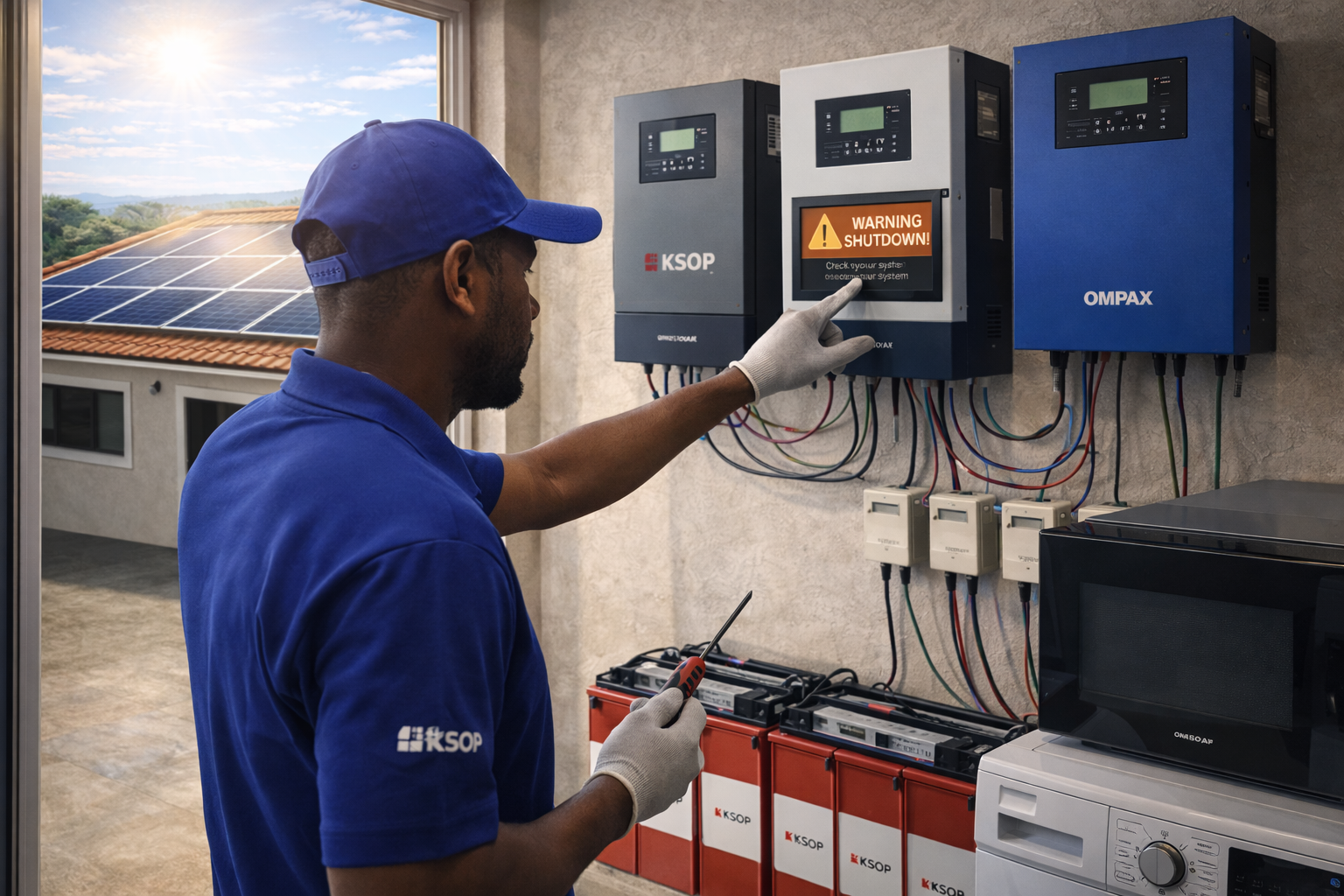
Inverters are a vital part of modern power backup and solar energy systems, especially in regions like Nigeria where reliable electricity is essential for homes and businesses. They provide seamless energy conversion and backup power, ensuring appliances and critical equipment continue running even when grid power fails. However, many users experience a confusing issue: their inverter unexpectedly switches off during the day.
This problem can be frustrating -particularly when sunlight is abundant and power demand is high. Understanding the reasons behind this behavior is essential for maintaining system efficiency, preventing damage, and maximizing your investment. In this comprehensive guide, we’ll explore why your inverter may shut down during daytime operation, how to diagnose the issue, and how to prevent it in the future.
This article is optimized to help homeowners, business operators, and solar users make informed decisions while improving online search visibility through targeted keywords and structured content.
Understanding How Inverters Work
Before identifying the causes of shutdowns, it’s important to understand what an inverter does. An inverter converts direct current (DC) electricity -from batteries or solar panels -into alternating current (AC) electricity used by most household appliances.
Modern systems typically include:
- Solar panels generating electricity
- Batteries storing power
- Charge controllers regulating charging
- Inverters supplying usable power
Inverters are designed with protective mechanisms. When abnormal conditions occur -such as overheating, overload, or voltage issues -they shut down automatically to prevent system damage. This safety feature is beneficial, but it can lead to unexpected interruptions if the underlying issue isn’t resolved.
Common Reasons Your Inverter Switches Off During the Day
- Overload From High Appliance Usage
Daytime hours usually involve peak electricity usage. Air conditioners, pumps, office equipment, refrigerators, and industrial machinery may run simultaneously. If the combined load exceeds the inverter’s capacity, the system shuts down to protect internal components.
Solution:
- Calculate total appliance wattage
- Upgrade inverter capacity
- Use energy-efficient appliances
- Distribute usage across time intervals
- Battery Issues or Low Charge Levels
Even with solar panels, battery health plays a critical role. Weak or aging batteries may fail to supply stable voltage, causing inverter shutdown.
Signs include:
- Rapid discharge
- Slow charging
- Reduced runtime
Solution:
- Check battery health regularly
- Replace worn batteries
- Ensure proper charging settings
- Overheating
High daytime temperatures combined with inadequate ventilation can cause internal components to overheat. Most inverters automatically shut off when temperature thresholds are exceeded.
Solution:
- Install in a cool, ventilated area
- Avoid direct sunlight exposure
- Clean dust from vents
- Maintain airflow around the unit
- Solar Charging Fluctuations
Cloud cover, shading, or poor panel positioning may cause inconsistent charging. Voltage irregularities can trigger shutdown protection.
Solution:
- Optimize panel positioning
- Remove shading obstacles
- Maintain panel cleanliness
- Use quality charge controllers
- Wiring or Installation Faults
Loose connections, undersized cables, or improper installation can disrupt power flow and cause shutdowns.
Solution:
- Conduct routine inspections
- Use certified installers
- Replace damaged wiring
Professional installation significantly reduces these risks and ensures long-term reliability.
- Faulty Components or Internal Errors
Sometimes the inverter itself may have defective parts, outdated firmware, or manufacturing issues.
Solution:
- Check error codes
- Consult technical support
- Service or replace faulty units
- Grid Interaction Issues (Hybrid Systems)
For hybrid systems connected to grid power, voltage fluctuations or instability in the public supply can cause shutdowns.
Solution:
- Install surge protection
- Use voltage stabilizers
- Monitor grid quality
Preventive Maintenance Tips
Regular maintenance is the most effective way to avoid unexpected shutdowns.
Routine Checks
- Inspect cables and terminals
- Monitor battery condition
- Clean solar panels
- Review inverter logs
Professional Servicing
- Schedule annual system inspections
- Update firmware when needed
- Test load capacity
Smart Energy Management
- Track consumption patterns
- Reduce peak demand loads
- Integrate monitoring apps
The Importance of Proper System Sizing
One of the most overlooked causes of inverter shutdown is improper system sizing. Many installations underestimate energy needs, leading to strain during daily operation.
Proper sizing involves:
- Load calculation
- Battery capacity matching
- Panel output estimation
- Future expansion planning
Working with experienced installers ensures your system can handle real-world usage conditions.
Benefits of Resolving Inverter Shutdown Issues
Addressing shutdown causes provides several advantages:
- Improved system lifespan
- Increased energy efficiency
- Reduced downtime
- Lower maintenance costs
- Better return on investment
Reliable power also enhances productivity and comfort for residential and commercial environments.
When to Seek Professional Assistance
If troubleshooting does not resolve shutdown issues, professional intervention is recommended. Certified technicians can:
- Perform diagnostic testing
- Optimize configuration
- Upgrade components
- Ensure safety compliance
Expert assessment prevents costly mistakes and improves long-term reliability.
Final Thoughts
Experiencing inverter shutdowns during the day is common but manageable. Whether caused by overload, overheating, battery issues, or installation faults, identifying the root cause is the first step toward restoring stability.
By maintaining your system, managing energy usage, and ensuring professional installation, you can enjoy uninterrupted power and maximum efficiency. Reliable solar and inverter solutions are a long-term investment -and proper care ensures they deliver optimal performance for years to come.