
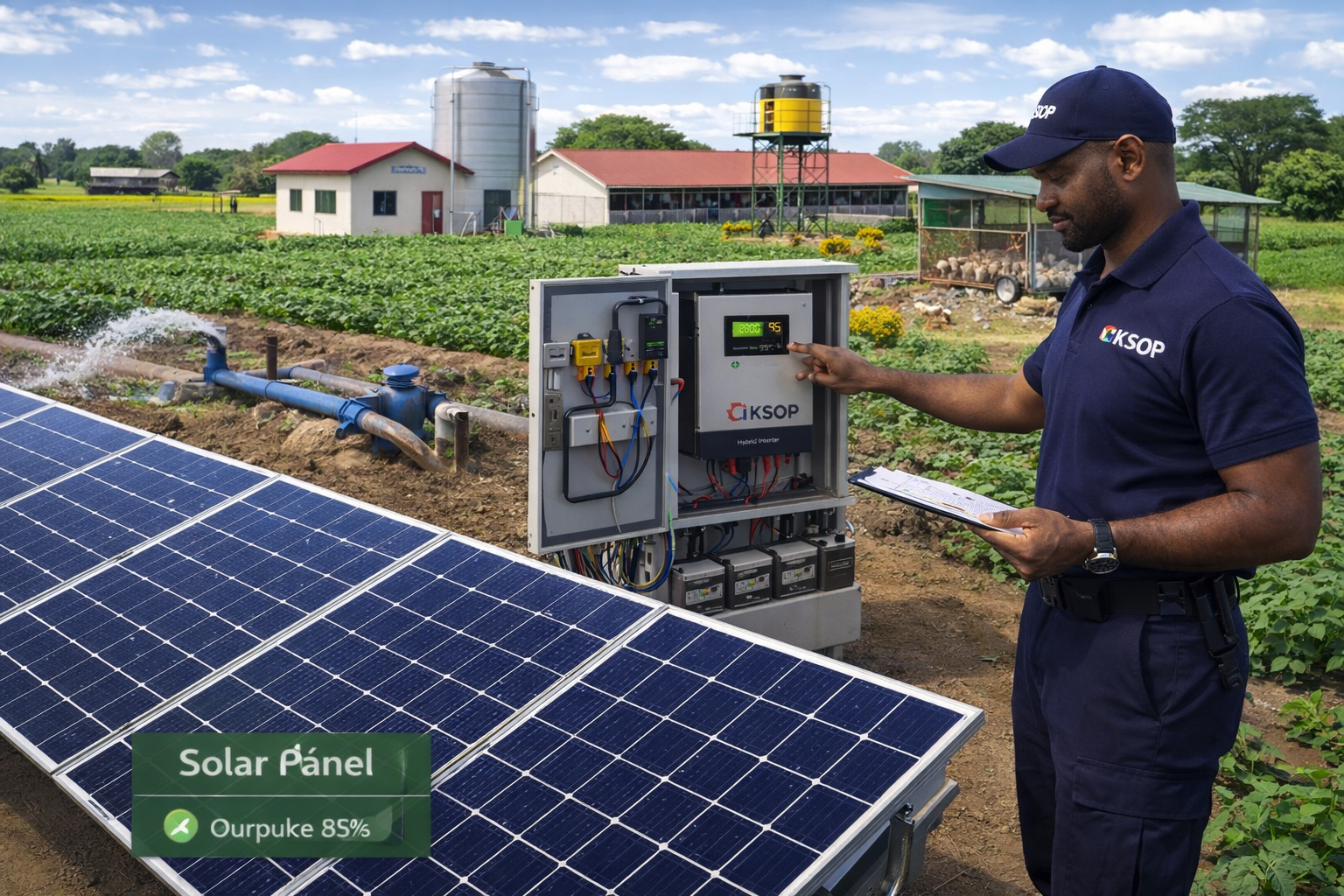
Agriculture remains the backbone of Nigeria’s economy, employing millions of people and contributing significantly to food security. However, one of the biggest challenges farmers face today is unreliable and expensive power supply. From irrigation and processing to storage and security, modern farming depends heavily on electricity. This is where agricultural solar energy comes in as a game-changer.
Solar power is transforming farms across Nigeria by providing clean, reliable, and cost-effective energy solutions. In this guide, we’ll explain how agricultural solar can power your farm, the systems involved, the benefits, and why more farmers are switching to solar in 2026 and beyond.
What Is Agricultural Solar Power?
Agricultural solar power refers to the use of solar energy systems to run farming operations. These systems convert sunlight into electricity using solar panels, which then power farm equipment, pumps, cold rooms, lighting, security systems, and processing machines.
Unlike generators that rely on diesel or petrol, solar energy is:
- Renewable
- Silent
- Low-maintenance
- Cost-saving over time
For Nigerian farmers dealing with fuel scarcity and rising energy costs, solar power offers long-term stability and independence.
Why Power Is Critical for Modern Farming
Gone are the days when farming relied only on manual labor. Today’s farms require electricity for:
- Irrigation and water pumping
- Crop processing and milling
- Cold storage and refrigeration
- Poultry and livestock temperature control
- Security lighting and surveillance
- Office operations and farm management tools
Without steady power, productivity drops, costs rise, and losses increase. Solar energy ensures your farm runs smoothly-day and night.
Key Ways Agricultural Solar Powers Your Farm
- Solar-Powered Irrigation Systems
Water is essential for farming, especially during Nigeria’s dry seasons. Solar-powered irrigation uses solar water pumps to draw water from boreholes, rivers, or reservoirs.
Benefits:
- No fuel or electricity bills
- Reliable water supply
- Ideal for remote farms
- Reduced operational costs
Solar irrigation systems are perfect for crop farms, orchards, and vegetable plantations.
- Solar Energy for Poultry and Livestock Farms
Poultry and livestock farming require stable power for:
- Ventilation fans
- Lighting
- Water supply
- Automated feeding systems
Solar power keeps these systems running consistently, preventing heat stress and reducing mortality rates.
Result: Healthier animals and higher production yields.
- Solar Cold Storage for Farm Produce
One of the biggest problems Nigerian farmers face is post-harvest losses. Fruits, vegetables, fish, meat, and dairy products spoil quickly without refrigeration.
Solar-powered cold rooms help:
- Preserve produce longer
- Reduce spoilage
- Increase market value
- Enable bulk harvesting and storage
This is especially beneficial for rural farmers with limited access to grid electricity.
- Solar-Powered Processing Equipment
Solar systems can power:
- Rice mills
- Cassava processors
- Grain grinders
- Palm oil machines
Instead of relying on generators, farmers can process crops with solar energy, reducing fuel costs and increasing profit margins.
- Solar Lighting and Security Systems
Farms are often located in remote areas and require strong security. Solar-powered lighting and CCTV systems improve safety by:
- Illuminating farm premises at night
- Deterring theft and vandalism
- Enhancing worker safety
Solar streetlights and floodlights are ideal for large farmlands and estate-style farms.
Types of Agricultural Solar Systems
- Off-Grid Solar Systems
Perfect for remote farms with no access to PHCN. These systems include:
- Solar panels
- Inverter
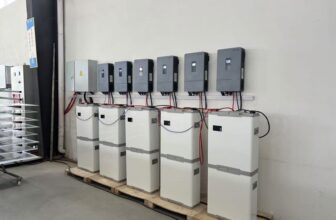
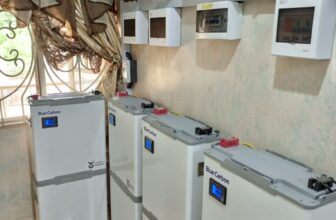
- Batteries
- Charge controller
They provide complete energy independence.
- Hybrid Solar Systems
Hybrid systems combine solar, batteries, and grid or generator backup. They are suitable for medium to large farms that require constant power.
- Solar Water Pumping Systems
Designed specifically for irrigation and livestock water supply, these systems may operate with or without batteries.
Benefits of Agricultural Solar Power in Nigeria
- Massive Cost Savings
Although solar installation requires initial investment, farmers save significantly on:
- Diesel and petrol
- Generator maintenance
- Electricity bills
Over time, solar pays for itself.
- Reliable Power Supply
Solar energy is dependable, especially in Nigeria’s sunny climate. With proper system design, farms enjoy uninterrupted power.
- Increased Productivity
With stable electricity, farmers can:
- Irrigate on schedule
- Process crops faster
- Reduce downtime
This leads to higher yields and better profits.
- Environmentally Friendly Farming
Solar power reduces carbon emissions and pollution, supporting sustainable and climate-smart agriculture.
- Scalability
Solar systems can be expanded as your farm grows-add more panels, batteries, or inverters when needed.
How Much Solar Power Does a Farm Need?
The size of your solar system depends on:
- Farm size
- Equipment wattage
- Daily energy usage
- Operating hours
A small poultry farm may need a 3kVA-5kVA system, while a large commercial farm may require 10kVA-30kVA or more.
A professional energy audit ensures accurate system sizing.
Why Choose KSOP Global Limited for Agricultural Solar?
KSOP Global Limited specializes in custom solar solutions for Nigerian farms. Our approach includes:
- Detailed farm energy assessment
- High-quality solar panels, inverters, and batteries
- Professional installation
- After-sales support and maintenance
We design systems that match your farm’s needs-no guesswork, no overload.
Government and NGO Support for Agricultural Solar
Many agricultural programs now support solar adoption through:
- Grants
- Subsidies
- Low-interest loans
Solar-powered farming aligns with Nigeria’s renewable energy goals, making it easier for farmers to access support.
Final Thoughts
Agricultural solar power is no longer a luxury-it is a necessity for modern farming in Nigeria. From irrigation and cold storage to processing and security, solar energy empowers farmers to reduce costs, increase productivity, and protect their investments.
If you want a reliable, cost-effective, and future-proof power solution for your farm, agricultural solar is the answer-and KSOP Global Limited is ready to help you make the switch.