
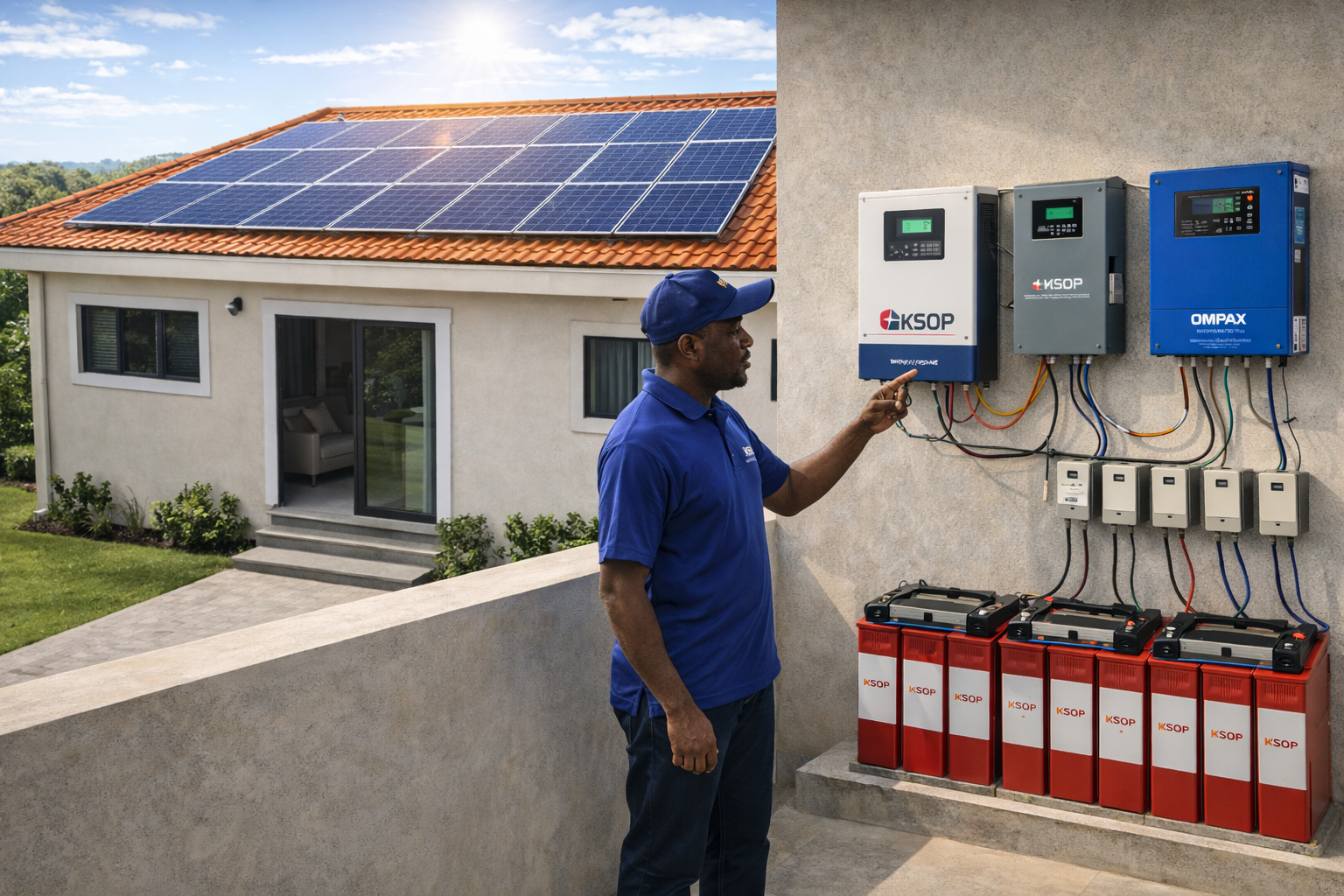
In today’s world, where power outages and rising electricity costs affect daily living and productivity, homeowners are increasingly turning to solar and inverter systems as reliable alternatives. Across Nigeria and many parts of Africa, the shift toward renewable energy is no longer just an environmental choice -it’s a practical investment in comfort, savings, and energy independence.
Solar and inverter installations provide households with dependable electricity, reduced generator dependency, and long-term financial benefits. However, choosing and installing the right system requires proper understanding and planning. This complete guide explores everything you need to know about solar and inverter installations in your home -from system components and sizing to installation tips and maintenance best practices.
Understanding Solar and Inverter Systems
Before diving into installation, it’s important to understand how these systems work together.
A solar power system captures energy from sunlight using photovoltaic (PV) panels. This energy is converted into electricity and stored in batteries for later use. An inverter converts stored DC (direct current) electricity into AC (alternating current), which powers household appliances.
Together, these components create a sustainable energy ecosystem that can supplement or completely replace grid electricity.
Key Components of a Home Solar and Inverter Setup
- Solar Panels
Solar panels are the heart of the system. They capture sunlight and convert it into electrical energy. High-quality panels are durable and can last 20-25 years, making them a long-term investment.
Benefits:
- Renewable and eco-friendly energy source
- Reduced electricity bills
- Minimal maintenance requirements
- Inverter
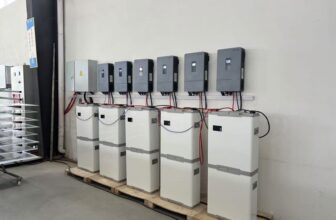
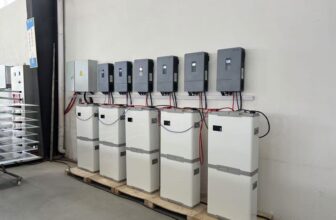
The inverter ensures electricity generated or stored can power your home appliances. There are several types, including hybrid, off-grid, and pure sine wave inverters.
Benefits:
- Smooth power conversion
- Protection for sensitive electronics
- Efficient energy management
- Battery Bank
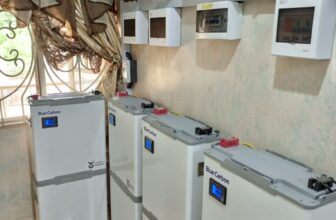
Batteries store energy for use when sunlight isn’t available or during outages. Lithium batteries are becoming popular due to longer lifespan and efficiency compared to traditional lead-acid options.
Benefits:
- Reliable backup power
- Increased energy independence
- Better nighttime electricity access
- Charge Controller
This regulates voltage and current between solar panels and batteries, preventing overcharging or damage.
Benefits:
- Battery lifespan protection
- Optimized charging efficiency
- System stability
- Mounting and Wiring Infrastructure
Proper installation hardware ensures safety, durability, and optimal panel positioning for maximum sunlight exposure.
Types of Solar and Inverter Installations
Grid-Tied Systems
Connected directly to the public electricity grid.
Advantages:
- Lower upfront costs
- Ability to use grid backup
- Efficient energy use
Off-Grid Systems
Fully independent from utility power.
Advantages:
- Complete energy autonomy
- Ideal for rural or unreliable grid locations
- Maximum blackout protection
Hybrid Systems
Combine grid and battery storage capabilities.
Advantages:
- Flexible power usage
- Seamless switching during outages
- Cost-effective long-term solution
How to Choose the Right System for Your Home
Assess Your Energy Needs
Start by calculating daily electricity consumption. Consider:
- Number of appliances
- Power ratings
- Usage hours
This determines system size and capacity.
Consider Installation Space
Roof space and sunlight exposure influence solar panel performance. South-facing rooftops or areas with minimal shading produce optimal results.
Budget Planning
Solar installations vary in cost depending on:
- Panel quality
- Battery type
- System capacity
- Installation expertise
Though initial costs may seem high, long-term savings typically outweigh investment.
Choose Reliable Installers
Professional installation ensures safety, compliance, and efficiency. Certified installers provide system warranties and technical support.
Benefits of Solar and Inverter Installations
Energy Reliability
Power outages can disrupt daily life. Solar backup ensures uninterrupted electricity for essential appliances.
Cost Savings
Reducing reliance on fuel generators or grid electricity lowers monthly energy expenses.
Environmental Sustainability
Solar energy reduces carbon footprint and supports clean energy adoption.
Increased Property Value
Homes with renewable energy systems often attract higher resale interest and value.
Noise-Free Operation
Unlike generators, solar and inverter systems operate silently.
Installation Process Overview
- Site Inspection: Assessment of sunlight exposure and energy needs
- System Design: Custom configuration planning
- Component Procurement: Selecting panels, inverter, batteries
- Mounting & Wiring: Secure installation and connections
- Testing & Commissioning: Ensuring optimal functionality
Professional installers handle compliance and safety standards throughout.
Maintenance Tips for Long-Term Performance
- Clean solar panels periodically to remove dust and debris
- Monitor battery health and charge cycles
- Inspect wiring and connections annually
- Update inverter firmware when applicable
Proper maintenance ensures system longevity and consistent performance.
Common Mistakes to Avoid
- Undersizing your system
- Choosing low-quality components
- DIY installation without expertise
- Ignoring future energy expansion needs
Planning ahead prevents costly upgrades later.
Future Trends in Residential Solar Energy
- Smart monitoring apps
- AI-driven energy optimization
- Advanced lithium battery storage
- Integration with smart home automation
Technology continues to make solar installations more efficient and user-friendly.
Final Thoughts
Solar and inverter installations are no longer luxury upgrades -they are practical solutions for modern homes seeking reliability, cost savings, and sustainability. By understanding system components, evaluating energy needs, and working with professional installers, homeowners can enjoy uninterrupted electricity and long-term benefits.
Whether you aim to eliminate generator dependency or embrace renewable energy, investing in solar and inverter technology represents a forward-thinking decision for your household and the environment.