
Quoting for a solar system installation – whether industrial or residential -is more than just calculating the number of panels and multiplying by cost. A professional solar quotation requires technical analysis, financial forecasting, safety considerations, regulatory compliance, and long-term performance planning.
A poorly prepared quote can result in underpricing, profit loss, system inefficiency, customer dissatisfaction, or even safety hazards. On the other hand, a well-structured and accurate quotation builds trust, protects your business, and ensures successful project delivery.
In this comprehensive guide, we will explore the critical factors to consider when preparing a quotation for both industrial and residential solar system installations.
- Conduct a Detailed Energy Assessment
The foundation of every accurate solar quote begins with understanding the client’s energy needs.
Review Electricity Consumption
Request at least 6-12 months of electricity bills to determine:
- Average monthly consumption (kWh)
- Peak demand (kVA for industrial clients)
- Daily usage patterns
- Seasonal variations
- Estimated load growth
Industrial facilities often experience fluctuating production schedules, while residential homes may have peak usage during evenings.
Without accurate energy data, your system sizing will be inaccurate, which directly affects pricing.
- Define the System Type
Solar systems vary depending on the client’s needs.
Residential Options:
- Grid-tied solar systems
- Hybrid solar systems (solar + battery + grid)
- Off-grid systems
Industrial Options:
- Large-scale grid-tied systems
- Hybrid systems with battery storage
- Solar + generator integration
- Solar for peak shaving
Hybrid and off-grid systems require batteries, which significantly increase project cost and design complexity.
Clearly defining the system type ensures accurate component selection and cost estimation.
- Load Analysis and System Sizing
System sizing determines the scale and cost of the installation.
Key Considerations:
- Total wattage of connected loads
- Surge requirements (motors, compressors, pumps)
- Inverter capacity
- Battery storage capacity (if required)
- Future expansion plans
For industrial installations, equipment with high startup currents must be considered when sizing inverters and batteries.
Residential installations must account for appliances such as air conditioners, refrigerators, water heaters, and pumping systems.
Oversizing increases cost unnecessarily. Undersizing leads to performance issues and customer complaints.
- Site Assessment and Structural Evaluation
A physical site inspection is mandatory before issuing a quote.
Rooftop Evaluation
- Roof material (metal, concrete, tile)
- Roof age and condition
- Structural strength
- Orientation and tilt angle
- Shading analysis
- Available mounting space
Structural reinforcement may add additional costs.
Ground-Mounted Systems
If rooftop space is insufficient:
- Evaluate land availability
- Soil type
- Civil foundation requirements
- Security fencing
- Drainage systems
Ground-mounted installations typically involve higher labor and material costs.
- Solar Panel Selection
Panel choice impacts system efficiency, durability, and cost.
Factors to Consider:
- Panel wattage (400W, 550W, etc.)
- Efficiency rating
- Temperature coefficient
- Warranty (typically 10-25 years)
- Brand reputation
- Availability in local market
Industrial projects often require higher-capacity panels to reduce mounting complexity.
Residential projects may prioritize aesthetics and roof space optimization.
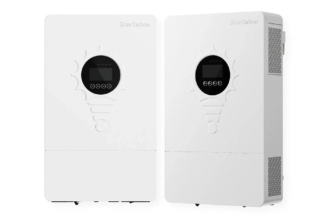
- Inverter Selection
The inverter is the brain of the solar system.
Consider:
- Inverter capacity (kW rating)
- Single-phase vs three-phase (especially for industrial systems)
- Surge handling capability
- Compatibility with batteries
- Monitoring features
- Warranty coverage
Industrial installations typically require three-phase inverters and may require multiple inverter configurations.
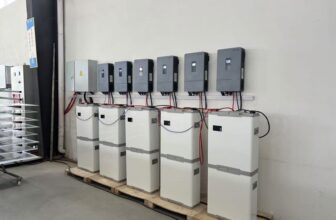
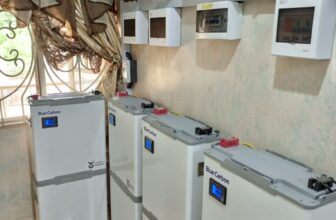
- Battery Storage (If Applicable)
For hybrid or off-grid systems, battery selection is critical.
Key Factors:
- Battery type (Lithium vs Lead Acid)
- Capacity (kWh)
- Depth of discharge
- Cycle life
- Charging speed
- Safety features
- Maintenance requirements
Lithium batteries have higher upfront costs but lower long-term replacement expenses.
Battery bank sizing must match inverter capacity and expected backup duration.
- Cable Sizing and Electrical Components
One of the most overlooked aspects when quoting is electrical infrastructure.
Include Costs For:
- DC cables
- AC cables
- Cable trays
- Conduits
- Breakers
- Surge protection devices
- Earthing materials
- Distribution board upgrades
Improper cable sizing can cause overheating and fire hazards, which increases liability risks.
Electrical safety should never be underestimated in your quotation.
- Mounting Structures and Hardware
Mounting structures vary depending on:
- Roof type
- Wind load requirements
- Corrosion resistance
- Environmental conditions
Industrial facilities in coastal or high-wind areas require reinforced mounting structures.
Underestimating mounting hardware costs can significantly reduce project profit margins.
- Labor and Installation Costs
Labor costs depend on:
- System size
- Installation complexity
- Working height
- Safety equipment requirements
- Skilled technician availability
Industrial installations often require:
- Cranes or lifting equipment
- Scaffolding
- Safety compliance officers
- Night work (to avoid production downtime)
Residential installations are typically simpler but still require professional labor planning.
- Regulatory Compliance and Permits
Compliance costs must be factored into your quotation.
Include:
- Electrical inspection fees
- Utility interconnection fees
- Government permits
- Environmental compliance (industrial)
- Safety certifications
Failure to include compliance costs may reduce profitability later.
- Monitoring and Smart Systems
Modern solar installations include monitoring platforms.
Consider:
- Wi-Fi or GSM monitoring systems
- Remote performance tracking
- Industrial SCADA integration
- Data reporting tools
Monitoring systems add value and improve customer satisfaction.
- Maintenance and Warranty Considerations
Your quotation should clearly outline:
- Warranty installation
- Equipment warranty
- Maintenance plan options
- Service contract terms
Offering maintenance packages can create recurring revenue streams.
- Logistics and Transportation
Don’t overlook:
- Transportation of panels and batteries
- Offloading costs
- Storage requirements
- Insurance during transit
Industrial projects often involve large quantities of equipment, increasing logistics complexity.
- Risk Assessment and Contingency Budget
Every project carries risks.
Include contingency costs for:
- Currency fluctuations
- Material price changes
- Delays
- Structural reinforcement
- Unexpected electrical upgrades
A 5-10% contingency allocation is often recommended for industrial projects.
- Financial Analysis and ROI Projection
Clients, especially industrial clients, expect financial justification.
Include:
- Estimated annual energy savings
- Payback period
- Return on investment (ROI)
- Energy cost offset percentage
- Carbon footprint reduction
Providing financial projections strengthens your proposal.
- Future Scalability
Many industrial and residential clients expand over time.
Your quote should consider:
- Inverter scalability
- Battery expansion compatibility
- Panel space allocation
- Distribution board capacity
Future-proof designs add long-term value.
- Profit Margin Planning
Do not underquote just to win projects.
Consider:
- Direct equipment cost
- Labor cost
- Overheads
- Taxes
- Profit margin
Sustainable pricing ensures business growth and long-term credibility.
- Documentation and Professional Presentation
A professional quotation should include:
- Executive summary
- System design layout
- Equipment specifications
- Financial breakdown
- Project timeline
- Terms and conditions
Well-structured documentation builds trust and increases approval rates.
Conclusion
Quoting for an industrial or residential solar system installation requires technical precision, financial awareness, and professional presentation.
From energy audits and system sizing to compliance, mounting structures, electrical safety, and ROI projections-every detail matters.
Accurate quoting not only protects your business from losses but also ensures customer satisfaction, system safety, and long-term reliability.
Solar installations are long-term investments. A well-prepared quotation sets the foundation for a successful project.