
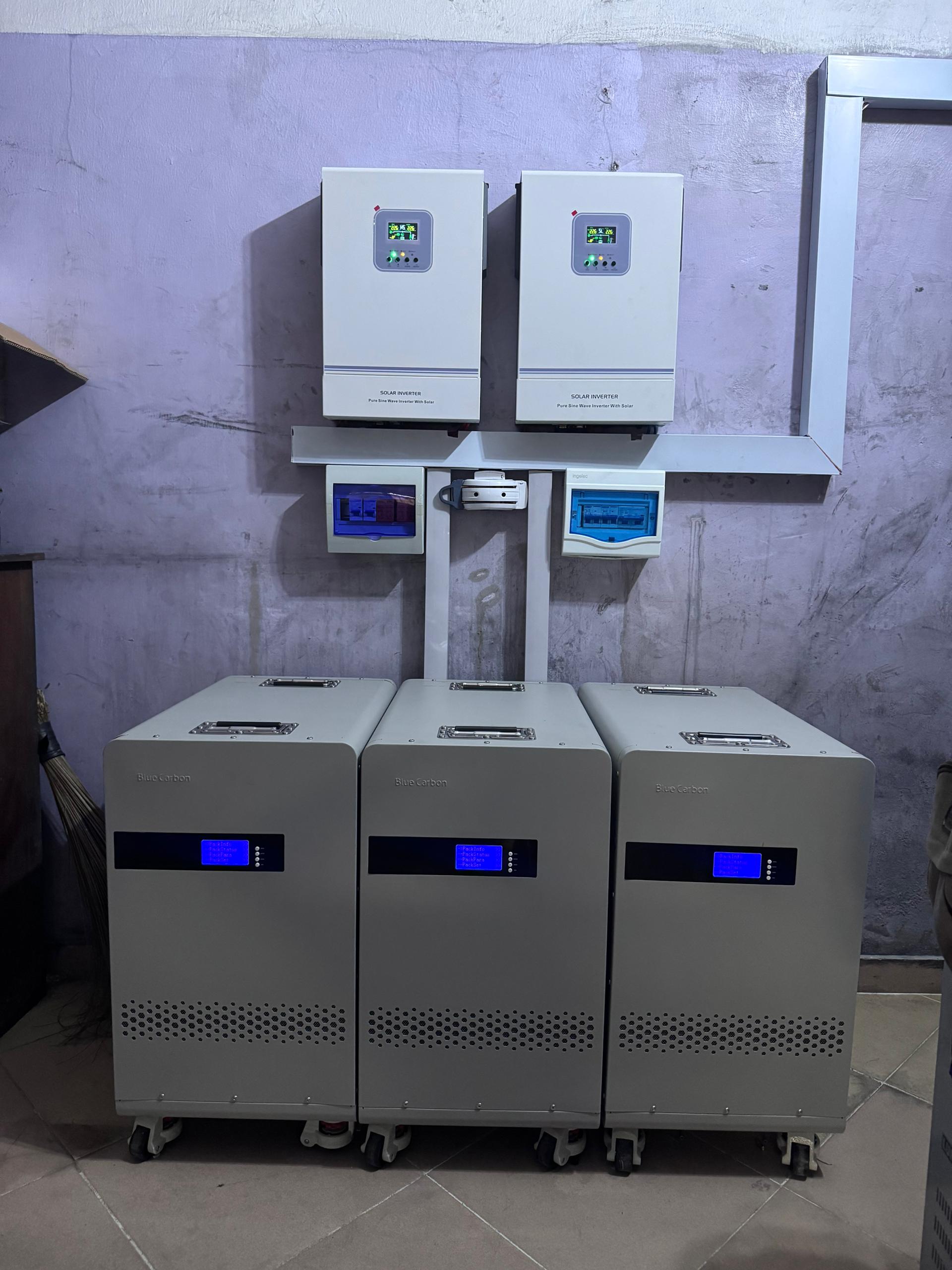
As solar energy becomes increasingly popular in Nigeria, more homeowners and businesses are turning to solar power as a reliable and cost-effective alternative to unstable grid electricity and expensive generators. However, installing a solar system is a significant investment that requires proper planning and informed decision-making.
Before you proceed with a solar installation, it is essential to understand the key factors that will determine the efficiency, performance, and long-term value of your system.
In this comprehensive guide, we will explore the most important things to consider before installing a solar system to ensure you make the right choice.
- Your Energy Needs and Consumption
The first and most critical step is to determine how much energy you need.
Questions to Ask:
- What appliances do you want to power?
- How many hours do you use them daily?
- What is your total daily energy consumption (in watts or kilowatts)?
Understanding your energy needs helps in:
- Proper system sizing
- Avoiding underperformance
- Preventing overspending
A detailed load analysis ensures that your solar system is designed to meet your exact requirements.
- Type of Solar System
There are different types of solar systems, and choosing the right one is crucial.
Common Types:
- Grid-Tied System: Connected to the national grid
- Off-Grid System: Independent of the grid, uses batteries
- Hybrid System: Combines solar, battery, and grid power
Each system has its advantages depending on your location and energy needs.
- Budget and Cost Planning
Solar installation requires an upfront investment, but it offers long-term savings.
Consider:
- Cost of solar panels
- Battery storage costs
- Inverter and installation costs
- Maintenance expenses
While it may be tempting to choose cheaper options, investing in high-quality components ensures durability and better performance.
- Quality of Solar Components
The quality of your solar system components determines its efficiency and lifespan.
Key Components:
- Solar panels
- Inverters
- Batteries
- Mounting structures
Choosing reliable and trusted brands ensures:
- Better performance
- Longer lifespan
- Reduced maintenance
Avoid low-quality products that may fail quickly.
- Roof Condition and Space Availability
Your roof plays a major role in solar installation.
Factors to Evaluate:
- Roof size and orientation
- Structural strength
- Shading from trees or buildings
- Angle and tilt
A well-positioned roof ensures maximum sunlight exposure and better energy generation.
- Sunlight Availability
Solar panels depend on sunlight to generate electricity.
Important Considerations:
- Daily sunlight hours in your location
- Seasonal variations
- Obstructions that cause shading
Nigeria generally has abundant sunlight, but proper assessment ensures optimal performance.
- Battery Storage Requirements
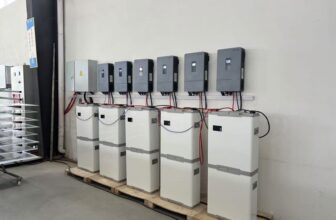
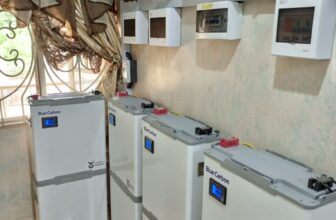
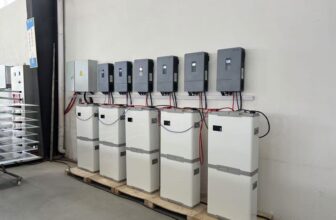
Batteries are essential for storing energy for use at night or during power outages.
Consider:
- Battery capacity
- Type (lithium vs lead-acid)
- Lifespan
- Charging efficiency
Lithium batteries are often preferred due to their longer lifespan and higher efficiency.
- Inverter Selection
The inverter converts solar energy into usable electricity.
Types of Inverters:
- Off-grid inverters
- Hybrid inverters
- Grid-tied inverters
Choosing the right inverter ensures:
- Efficient energy conversion
- Stable power supply
- Compatibility with your system
- Installation Company and Expertise
Selecting the right installer is just as important as choosing the right equipment.
Look for:
- Experience and expertise
- Positive customer reviews
- Professional certifications
- After-sales support
A skilled installer ensures proper system design and installation.
- Maintenance and Support
Solar systems require minimal maintenance, but regular checks are necessary.
Maintenance Includes:
- Cleaning solar panels
- Inspecting connections
- Monitoring system performance
Choose a provider that offers reliable maintenance and support services.
- Warranty and Product Guarantee
Warranty is an important factor when investing in solar equipment.
Check for:
- Solar panel warranty (20–25 years)
- Battery warranty (5–10 years or more)
- Inverter warranty
A good warranty provides peace of mind and protects your investment.
- Scalability and Future Expansion
Your energy needs may increase over time.
Choose a system that allows you to:
- Add more panels
- Increase battery capacity
- Upgrade components
Scalability ensures your system can grow with your needs.
- Energy Efficiency Measures
Before installing solar, consider improving your energy efficiency.
Tips:
- Use energy-efficient appliances
- Switch to LED lighting
- Reduce unnecessary energy consumption
This reduces the size and cost of your solar system.
- Government Policies and Regulations
Be aware of any local regulations or policies related to solar installations.
Consider:
- Permits and approvals
- Net metering policies (if applicable)
- Safety standards
Compliance ensures a smooth installation process.
- Environmental Impact
Solar energy is a clean and renewable source of power.
By installing solar, you contribute to:
- Reduced carbon emissions
- Cleaner environment
- Sustainable energy future
This makes solar not only a financial investment but also an environmental one.
- Return on Investment (ROI)
Solar systems provide long-term financial benefits.
Benefits Include:
- Reduced electricity bills
- Lower generator costs
- Increased property value
Most systems pay for themselves within a few years.
- Backup Power Needs
If you experience frequent power outages, ensure your system includes adequate backup.
Consider:
- Battery capacity
- Load prioritization
- System design
This ensures uninterrupted power supply.
Conclusion
Installing a solar system is a smart investment, but it requires careful planning and consideration. From understanding your energy needs to choosing the right components and installer, every decision plays a crucial role in the success of your system.
By considering the factors outlined in this guide, you can ensure that your solar installation delivers maximum efficiency, reliability, and long-term value.
Solar energy is not just about saving money-it’s about gaining energy independence, improving sustainability, and securing a reliable power source for the future.