
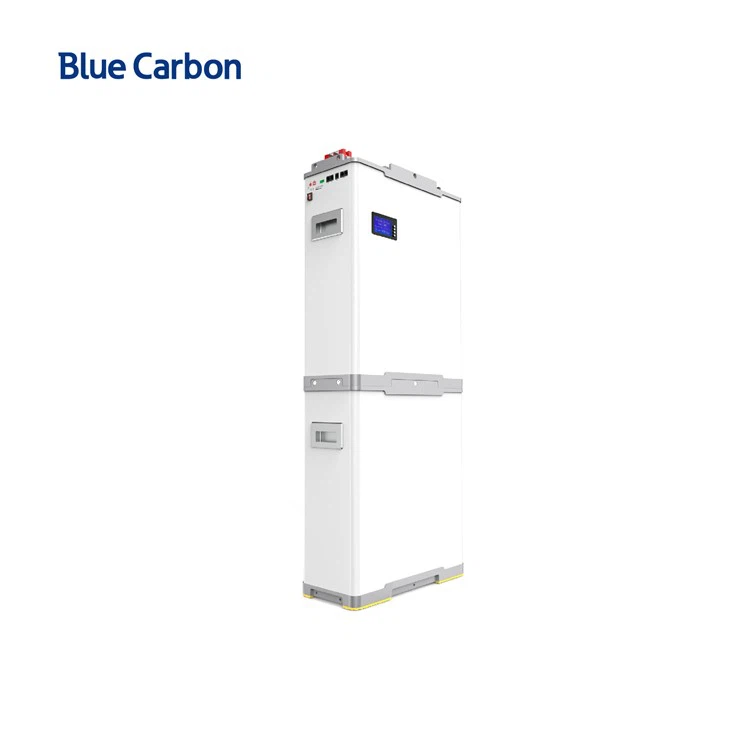
As solar energy adoption continues to rise in Nigeria and around the world, more homeowners are investing in solar systems to reduce electricity costs, achieve energy independence, and enjoy uninterrupted power supply. However, one of the most important components of any solar setup is the solar battery.
A solar battery stores excess energy generated by solar panels during the day so it can be used at night or during power outages. Choosing the right battery is critical because it directly affects the efficiency, reliability, and lifespan of your solar system.
With many battery options available in the market, selecting the best one for your home can be overwhelming. In this comprehensive guide, we will explain everything you need to know about choosing the right solar battery for your home.
What is a Solar Battery?
A solar battery is an energy storage device that stores electricity produced by solar panels. Instead of wasting unused solar energy, the battery keeps it available for later use.
This stored energy can power your home:
- At night
- During cloudy weather
- During grid power outages
Solar batteries are essential for maximizing the benefits of solar energy.
Why Solar Batteries Are Important
Without a battery, excess energy generated during the day may go unused. A solar battery helps homeowners:
- Store excess electricity
- Reduce dependence on the national grid
- Enjoy backup power during outages
- Increase energy efficiency
In Nigeria, where power supply is often unstable, batteries play an especially important role.
Types of Solar Batteries
Before choosing a battery, it is important to understand the main types available.
- Lithium-Ion Batteries
Lithium-ion batteries are the most advanced and popular option for modern solar systems.
Advantages:
- Long lifespan
- High efficiency
- Fast charging
- Lightweight and compact
- Low maintenance
Disadvantages:
- Higher upfront cost
Lithium batteries are ideal for homeowners looking for long-term performance and reliability.
- Lead-Acid Batteries
Lead-acid batteries are traditional batteries commonly used in older solar systems.
Advantages:
- Lower initial cost
- Widely available
Disadvantages:
- Shorter lifespan
- Requires regular maintenance
- Lower efficiency
These batteries are more suitable for budget-conscious users.
- Gel Batteries
Gel batteries are a type of sealed lead-acid battery.
Advantages:
- Maintenance-free
- Better durability than flooded lead-acid batteries
Disadvantages:
- Lower efficiency compared to lithium batteries
Key Factors to Consider When Choosing a Solar Battery
Selecting the right solar battery requires careful evaluation of several important factors.
- Battery Capacity
Battery capacity refers to how much energy the battery can store.
It is measured in:
- Amp-hours (Ah)
- Kilowatt-hours (kWh)
Why It Matters:
A larger capacity means:
- Longer backup time
- Ability to power more appliances
Choose a battery size based on your household energy consumption.
- Depth of Discharge (DoD)
Depth of Discharge indicates how much of the battery’s stored energy can be used safely.
Example:
- A 90% DoD battery allows you to use 90% of its capacity.
Recommendation:
Higher DoD means:
- Better energy utilization
- More efficient storage
Lithium batteries usually offer higher DoD compared to lead-acid batteries.
- Battery Lifespan
A battery’s lifespan is usually measured in:
- Years
- Charge cycles
Typical Lifespans:
- Lithium batteries: 10-15 years
- Lead-acid batteries: 2-5 years
A longer lifespan provides better long-term value.
- Efficiency
Battery efficiency refers to how much stored energy can actually be used.
High-Efficiency Batteries:
- Reduce energy loss
- Improve system performance
Lithium batteries typically have efficiency rates above 90%.
- Charging Speed
Fast charging allows batteries to store energy quickly during sunlight hours.
Benefits:
- Better energy storage
- Improved reliability during cloudy conditions
This is especially important in areas with limited sunlight hours.
- Maintenance Requirements
Some batteries require regular maintenance, while others are maintenance-free.
Maintenance-Free Batteries:
- Easier to manage
- More convenient for homeowners
Lithium and gel batteries are generally maintenance-free.
- Safety Features
Safety is extremely important when selecting a battery.
Look for:
- Overcharge protection
- Overheating protection
- Short-circuit protection
Modern lithium batteries often include advanced Battery Management Systems (BMS).
- Compatibility with Your Solar System
Your battery must be compatible with:
- Solar panels
- Inverter
- Charge controller
Using compatible components ensures optimal system performance.
- Budget and Cost
Cost is a major factor when choosing a battery.
Consider:
- Initial purchase price
- Long-term maintenance costs
- Lifespan and efficiency
Although lithium batteries cost more upfront, they often provide better long-term savings.
- Warranty
A good warranty reflects product quality and manufacturer confidence.
Typical Warranties:
- Lithium batteries: 5-10 years or more
- Lead-acid batteries: 1-3 years
Always choose products with reliable warranty coverage.
How to Calculate the Right Battery Size for Your Home
To determine the right battery size:
Step 1: Calculate Daily Energy Usage
List the appliances you want to power and estimate daily energy consumption.
Step 2: Determine Backup Duration
Decide how many hours or days of backup power you need.
Step 3: Consider System Voltage
Battery sizing depends on system voltage (12V, 24V, 48V, etc.).
A professional solar installer can help with accurate sizing.
Lithium vs Lead-Acid: Which is Better?
| Feature | Lithium Battery | Lead-Acid Battery |
| Lifespan | Long | Short |
| Maintenance | Minimal | High |
| Efficiency | High | Moderate |
| Charging Speed | Fast | Slow |
| Weight | Lightweight | Heavy |
| Cost | Higher upfront | Lower upfront |
For most modern homes, lithium batteries are the better long-term option.
Common Mistakes to Avoid
- Buying Cheap, Low-Quality Batteries
Cheap batteries may fail quickly and cost more in the long run.
- Incorrect Battery Sizing
An undersized battery may not meet your energy needs.
- Ignoring Compatibility
Using incompatible components can damage your system.
- Focusing Only on Price
Consider performance, lifespan, and reliability-not just cost.
Benefits of Choosing the Right Solar Battery
The right battery provides:
- Reliable backup power
- Lower electricity costs
- Better energy efficiency
- Longer system lifespan
- Peace of mind during outages
Why Homeowners in Nigeria Prefer Lithium Batteries
Due to Nigeria’s power challenges, many homeowners now prefer lithium batteries because they:
- Last longer
- Require less maintenance
- Offer better performance
- Charge faster
- Handle frequent outages effectively
Conclusion
Choosing the right solar battery is one of the most important decisions in any home solar installation. A high-quality battery ensures reliable power, efficient energy storage, and long-term savings.
When selecting a battery, consider factors such as:
- Capacity
- Lifespan
- Efficiency
- Safety
- Compatibility
- Warranty
For most homeowners, lithium batteries offer the best balance of performance, reliability, and value.
By making an informed decision, you can enjoy uninterrupted power supply and maximize the benefits of your solar system for years to come.