
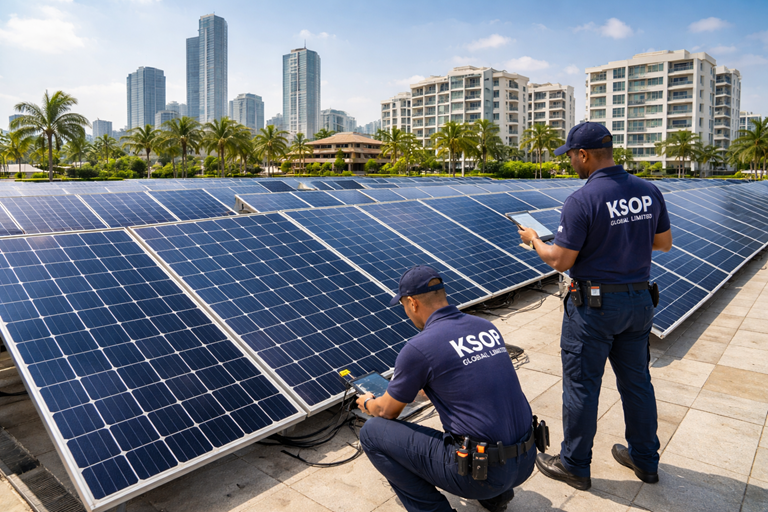
Nigeria’s sunny climate offers one of the best environments for solar energy in Africa. With abundant sunlight year-round, solar panels can deliver substantial power output-but not all panels perform equally well under heat, dust, and humidity common across Lagos, Abuja, Port Harcourt, Kano, and other major cities.
Choosing the right solar panel matters more than ever. A panel that performs well in cool European climates might underperform in Nigerian heat, reducing efficiency and long-term energy yield.
To help you make an informed solar investment, this guide highlights the top 5 solar panels that perform best in the Nigerian climate, why they excel, and what makes them ideal for homes, businesses, schools, and estates.
Why Solar Panel Performance in Nigeria Depends on Climate
Before diving into the best models, let’s quickly review why panel choice is crucial for Nigerian users.
- High Ambient Temperature
Most solar panels lose efficiency as temperature rises. In countries with intense sun and temperatures exceeding 35-40°C, panels with low temperature coefficients perform better.
- Harmattan Dust and Pollution
Dust accumulation reduces sunlight absorption. Panels with surface coatings that resist dust and grime return higher efficiency between cleanings.
- Humidity and Coastal Conditions
Salt spray and moisture in coastal cities like Lagos demand panels with robust weather sealing and corrosion resistance.
- Longevity and Warranty Coverage
Long warranties (25+ years) and slower degradation rates indicate quality. Years of exposure to Nigeria’s harsh sun, wind, and rain test a panel’s durability.
How Solar Panel Efficiency and Performance Are Measured
To compare panels fairly, understand a few key terms:
- Efficiency -What portion of sunlight is converted into electricity. Higher efficiency = more power per square meter.
- Temperature Coefficient -How well the panel performs under high heat; lower (more negative) is better for Nigerian forecasts.
- Degradation Rate -How quickly panel output declines over time.
- Durability and Warranty -Long warranties usually match strong performance andquality assurance.
Top 5 Solar Panels for Nigerian Climate (2025)
Here are the best solar panels field-tested and recommended for performance, durability, and ROI in Nigeria:
- KSOP Premium Monocrystalline Solar Panels – Best Overall
Why It Performs Well:
KSOP’s monocrystalline panels are designed with high-efficiency cells, low temperature coefficients, and robust anti-dust surface coatings – ideal for Nigeria’s environment.
Key Advantages:
✔ High efficiency (20%+ range)
✔ Excellent heat resistance
✔ Low degradation – 25-year performance guarantee
✔ Corrosion and dust-resistant
✔ Consistent output in harmattan and cloudy conditions
Best For:
Homes, businesses, estates, and large campuses where performance and reliability matter most.
- Tier-1 Mono PERC Panels – High Efficiency and Heat Durability
PERC (Passivated Emitter Rear Cell) monocrystalline panels are a step above standard panels for hot climates.
Why They Excel in Nigeria:
- Improved heat tolerance
- Enhanced absorption in low and direct sunlight
- Reduced power loss due to temperature increases
- Long warranties (often 25 years)
These panels are ideal for rooftop solar systems in Lagos, Abuja, Ibadan, and across the savannah belt.
- Bifacial Solar Panels – Maximum Energy Capture
Bifacial solar panels generate power from BOTH front and rear surfaces by capturing reflected sunlight.
Benefits for Nigerian Sites:
✔ Higher total energy yield
✔ Works well on reflective surfaces (e.g., concrete roofs)
✔ Better output during harmattan due to ground reflection
✔ Excellent for institutional campuses and commercial rooftops
Best For:
Schools, factories, warehouses, and campuses with large, open rooftop areas.
Tip: Combine bifacial panels with light-colored mounting surfaces for maximum reflected energy.
- All-Black Solar Panels – Premium Aesthetic + Performance
All-black panels combine form and function. These panels are not just stylish-they’re also high-efficiency monocrystalline models with excellent heat performance.
Advantages in the Nigerian Context:
- Superior aesthetics for luxury homes and estates
- High efficiency and good temperature handling
- Often come with strong warranties
Best For:
High-end residential projects, luxury estates, commercial buildings where looks matter.
- Industrial-Grade Solar Panels -Heavy Load & Long Life
Industrial-grade panels are designed for large installations and maximum durability. They often have thicker glass, stronger frames, and enhanced weather resistance.
Why They Are Great for Nigeria:
- Excellent performance under heat and dust
- Durable frames for high wind zones
- Better warranty support
- Ideal for solar farms, universities, and large campuses
These are the choice for institutions that expect long-term reliability and minimal panel failure rates.
Comparing Panel Types for Nigerian Use
| Panel Type | Best For | Heat Tolerance | Longevity | Cost |
| KSOP Premium Mono | Homes & offices | High | Excellent | Mid-High |
| PERC Panels | Hot climates | Very High | Excellent | Mid |
| Bifacial | Large rooftops | High | Excellent | High |
| All-Black Panels | Aesthetics + performance | Mid-High | Very Good | High |
| Industrial-Grade | Large institutions | Very High | Outstanding | Very High |
Panel Performance Tips for Nigerian Conditions
- Keep Panels Clean
Dust and harmattan particles are common. Regular cleaning helps maintain output.
- Use MPPT Solar Inverters
Maximum Power Point Tracking (MPPT) inverters ensure panels produce maximum possible electricity throughout the day-even in low light.
- Orient Panels Correctly
Panels should face true south (or adjusted depending on location) at an optimized tilt angle for maximum year-round energy.
- Sized for Load Demand
Never undersize panels for your energy needs. Work with professionals to get accurate load analysis.
- Invest in Quality Batteries
Complement your panels with lithium batteries for longer life and better performance in Nigeria’s heat.
Why KSOP Global Limited Recommends These Panels
KSOP Global Limited is one of Nigeria’s most trusted solar providers because:
- Site-specific solar assessments ensure panels meet your energy demand.
- Professional installation prevents shading losses and structural issues.
- Warranty and after-sales support protect your investment.
- Panels tested for Nigerian climate ensure stable performance.
- Custom solutions for homes, schools, offices, estates, and industrial sites.
Whether you need a small rooftop system or a large, hybrid solar farm, KSOP guides you to the best panel choice for your budget and goals.
Choosing Solar Panels: Key Features to Prioritize
When selecting panels in Nigeria, pay attention to:
- Temperature Coefficient
Lower is better-indicates better performance in heat.
- Efficiency Rating
Panels with higher efficiency generate more power per square meter.
- Warranty
Look for 25-year performance warranties and 10-year product warranties.
- Build Quality
Corrosion and dust-resistant panels fare better in Nigerian environments.
- Certification
Ensure panels have IEC or equivalent certifications.
Nigeria’s climate offers vast potential for solar energy-but only if you choose the right solar panels. Panels with strong heat tolerance, dust resistance, and long warranties deliver the best performance and savings over time. From KSOP Premium Monocrystalline panels to industrial-grade modules, the top 5 solar panel types featured above are tested and proven for Nigerian conditions.
Work with KSOP Global Limited to design, install, and maintain a solar system that maximizes energy output, reduces electricity costs, and lasts for decades-even under Nigeria’s challenging weather conditions.
By KSOP Global Limited -Nigeria’s Trusted Solar Provider