
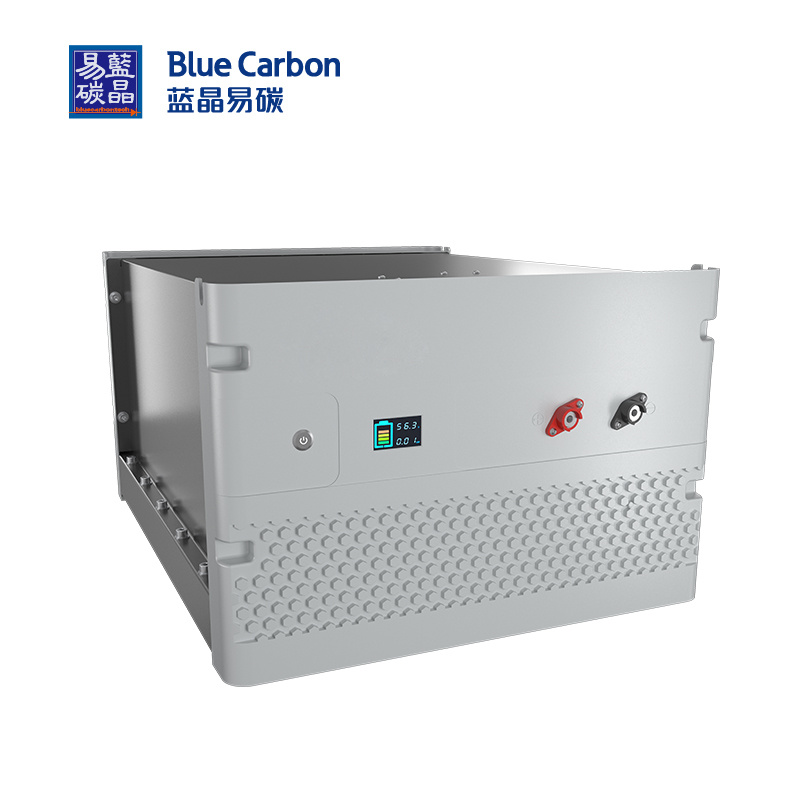
As the world increasingly embraces renewable energy, electric mobility, and sustainable power solutions, Lithium Iron Phosphate (LiFePO4) batteries have emerged as one of the most reliable and advanced energy storage technologies available today. From residential solar systems and commercial energy storage projects to electric vehicles and industrial applications, LiFePO4 batteries are transforming how energy is stored and utilized.
Their growing popularity is not accidental. LiFePO4 batteries offer exceptional safety, long cycle life, high efficiency, thermal stability, and low maintenance requirements compared to traditional lead-acid and other lithium-ion battery chemistries.
To fully appreciate the advantages of LiFePO4 technology, it is important to understand the chemistry and technical principles that make these batteries unique. In this comprehensive guide, we will explore the science behind LiFePO4 batteries, their internal structure, electrochemical reactions, technical specifications, and why they have become the preferred energy storage solution for modern solar systems.
What Is a LiFePO4 Battery?
LiFePO4 stands for Lithium Iron Phosphate, a type of lithium-ion battery that uses lithium iron phosphate as the cathode material and graphite carbon as the anode material.
The chemical formula is:
LiFePO4
Unlike conventional lead-acid batteries, LiFePO4 batteries store and release energy through the movement of lithium ions between the cathode and anode.
This technology provides:
- High energy efficiency
- Excellent safety performance
- Long operational lifespan
- Superior thermal stability
The Evolution of Lithium Battery Technology
Lithium-ion batteries come in several chemistries, including:
- Lithium Cobalt Oxide (LCO)
- Lithium Manganese Oxide (LMO)
- Lithium Nickel Manganese Cobalt (NMC)
- Lithium Titanate (LTO)
- Lithium Iron Phosphate (LiFePO4)
Among these technologies, LiFePO4 has gained significant attention due to its balance of safety, durability, and affordability.
While some lithium chemistries focus on maximizing energy density, LiFePO4 prioritizes safety and long-term reliability.
Understanding the Basic Structure of a LiFePO4 Battery
Every LiFePO4 battery consists of several key components.
- Cathode
The cathode is made from lithium iron phosphate.
Its primary functions include:
- Storing lithium ions
- Releasing lithium ions during charging
- Accepting lithium ions during discharge
The phosphate structure contributes to the battery’s exceptional stability.
- Anode
The anode is typically made of graphite carbon.
Its functions include:
- Receiving lithium ions during charging
- Releasing lithium ions during discharge
The graphite structure allows efficient lithium-ion movement.
- Electrolyte
The electrolyte serves as the medium through which lithium ions travel between the cathode and anode.
The electrolyte facilitates ion movement while preventing direct electrical contact between electrodes.
- Separator
The separator is a thin membrane placed between the cathode and anode.
Its purpose is to:
- Prevent short circuits
- Allow lithium ions to pass through
- Improve battery safety
The Electrochemical Process of LiFePO4 Batteries
The operation of a LiFePO4 battery depends on the movement of lithium ions.
Charging Process
When charging occurs:
- External power is supplied.
- Lithium ions move from the cathode to the anode.
- Electrons flow through the external charging circuit.
- Energy becomes stored within the battery.
This process continues until the battery reaches full charge.
Discharging Process
During discharge:
- Lithium ions move from the anode back to the cathode.
- Electrons flow through the connected load.
- Electricity is delivered to appliances and equipment.
This reversible electrochemical reaction allows repeated charging and discharging.
Why LiFePO4 Chemistry Is Safer
Safety is one of the most significant advantages of LiFePO4 batteries.
The phosphate bond in lithium iron phosphate is extremely stable.
Benefits include:
- Reduced thermal runaway risk
- Improved structural stability
- Lower fire risk
- Better resistance to overheating
Compared to some other lithium chemistries, LiFePO4 batteries are considered among the safest energy storage technologies available.
Thermal Stability and Heat Resistance
Battery performance is heavily influenced by temperature.
LiFePO4 batteries exhibit excellent thermal stability because the phosphate structure remains stable even under high temperatures.
Advantages include:
- Better performance in hot climates
- Reduced overheating risk
- Enhanced operational safety
- Improved lifespan
This makes LiFePO4 batteries particularly suitable for countries like Nigeria where temperatures can be high throughout the year.
Voltage Characteristics of LiFePO4 Batteries
One of the defining technical characteristics of LiFePO4 batteries is their stable voltage profile.
Nominal Cell Voltage
A typical LiFePO4 cell has:
- Nominal Voltage: 3.2V
This differs from other lithium-ion chemistries which often operate around 3.6V to 3.7V.
Fully Charged Voltage
A fully charged LiFePO4 cell typically reaches:
- 3.65V
Cut-Off Voltage
Most systems protect the battery from excessive discharge at approximately:
- 2.5V to 2.8V per cell
Energy Density Explained
Energy density refers to the amount of energy stored within a given volume or weight.
LiFePO4 batteries offer:
- Moderate energy density
- High power capability
- Excellent cycle life
Although some lithium chemistries provide higher energy density, LiFePO4 compensates with superior safety and longevity.
Cycle Life: One of the Biggest Advantages
Cycle life represents the number of complete charge-discharge cycles a battery can perform before significant capacity loss occurs.
Typical LiFePO4 batteries can achieve:
- 4,000 to 8,000+ cycles
depending on:
- Operating conditions
- Depth of discharge
- Charging practices
This is significantly higher than traditional lead-acid batteries.
Depth of Discharge (DoD)
Depth of Discharge refers to the percentage of stored energy that is used before recharging.
LiFePO4 batteries support:
- 80% to 100% DoD
without substantial degradation.
This allows users to utilize more of the battery’s stored capacity.
Round-Trip Efficiency
Round-trip efficiency measures how much stored energy can be recovered.
LiFePO4 batteries typically achieve:
- 95% to 98% efficiency
This means minimal energy loss during charging and discharging.
Higher efficiency results in:
- Better solar utilization
- Lower operating costs
- Improved system performance
Battery Management System (BMS)
Modern LiFePO4 batteries include a Battery Management System (BMS).
The BMS serves as the battery’s intelligent protection system.
Functions include:
- Overcharge protection
- Over-discharge protection
- Temperature monitoring
- Cell balancing
- Short-circuit protection
- Overcurrent protection
The BMS plays a critical role in maximizing battery lifespan and safety.
Cell Balancing Technology
A LiFePO4 battery pack contains multiple cells connected together.
Over time, slight voltage differences can develop between cells.
Cell balancing helps:
- Maintain equal voltage levels
- Improve performance
- Extend lifespan
- Prevent premature cell degradation
This process is managed by the BMS.
Communication Protocols in Modern LiFePO4 Batteries
Advanced batteries communicate directly with inverters and monitoring systems.
Common protocols include:
CAN Bus
Allows real-time communication between battery and inverter.
RS485
Provides system monitoring and data exchange.
Benefits include:
- Improved charging accuracy
- Better system efficiency
- Enhanced battery protection
Applications of LiFePO4 Batteries
The versatility of LiFePO4 technology allows it to serve multiple industries.
Solar Energy Storage
Used in:
- Residential solar systems
- Commercial solar projects
- Off-grid installations
Electric Vehicles
LiFePO4 batteries power:
- Electric cars
- Electric buses
- Electric motorcycles
Telecommunications
Used for:
- Base stations
- Network backup systems
Industrial Energy Storage
Supports:
- Factories
- Warehouses
- Data centers
Environmental Benefits of LiFePO4 Batteries
Compared to traditional lead-acid batteries, LiFePO4 technology offers environmental advantages.
Benefits include:
- Reduced toxic materials
- Longer lifespan
- Lower replacement frequency
- Improved energy efficiency
These factors contribute to a lower environmental impact.
Why LiFePO4 Batteries Are Ideal for Solar Systems
Solar systems require reliable, efficient, and durable energy storage.
LiFePO4 batteries excel because they provide:
- High efficiency
- Deep discharge capability
- Long cycle life
- Fast charging
- Low maintenance
- Excellent safety
These characteristics make them one of the best choices for modern renewable energy applications.
Future of LiFePO4 Technology
Research and development continue to improve lithium battery technology.
Future advancements may include:
- Higher energy density
- Faster charging speeds
- Improved battery management
- Greater affordability
- Enhanced integration with smart energy systems
As renewable energy adoption expands globally, LiFePO4 batteries are expected to play an even larger role in energy storage.
Conclusion
LiFePO4 batteries represent one of the most significant advancements in modern energy storage technology. Their unique lithium iron phosphate chemistry provides exceptional safety, long cycle life, thermal stability, and energy efficiency, making them ideal for solar energy systems, commercial energy storage, electric vehicles, and industrial applications.
By understanding the chemistry and technical aspects of LiFePO4 batteries, users can better appreciate why this technology has become the preferred choice for reliable and sustainable energy storage. As the world continues its transition toward renewable energy, LiFePO4 batteries will remain a cornerstone of the clean energy revolution.