
If you’re investing in a solar power system in Nigeria-whether for your home, business, school, or estate-the lithium battery you choose can make or break the performance and longevity of your setup. Unlike traditional lead-acid or tubular batteries, lithium batteries offer greater efficiency, longer life, deeper discharge capability, and lower maintenance-making them a superior option in the harsh Nigerian climate.
But with many brands and models flooding the market, choosing the right lithium battery can be confusing. This guide breaks down the best lithium batteries for solar in Nigeria, pricing expectations, key features to look for, and tips to ensure you choose a battery that delivers maximum value for your investment.
Why Lithium Batteries Are the Best Choice for Solar in Nigeria
Before diving into specific recommendations, let’s understand why lithium batteries outperform other types in Nigerian solar systems:
- Longer Lifespan
Lithium batteries typically deliver 3,000-10,000+ cycles, which translates to 8-15+ years of useful life. In contrast:
- Lead-acid lasts ~1,000 cycles (2-4 years)
- Tubular around ~1,200-2,000 cycles (3-5 years)
This longevity reduces replacement costs and total cost of ownership.
- Deeper Depth of Discharge (DoD)
Lithium batteries can safely discharge up to 90% or more of their capacity, whereas lead-acid is limited to 50% or less. More usable power means:
- Longer backup times
- Fewer batteries needed
- Less waste
- Higher Efficiency
Lithium batteries have 95%+ charging efficiency and less energy loss compared to lead-acid (70-85%). This is important in Abeokuta,Lagos, Abuja, Ibadan, and other regions where solar irradiance varies seasonally.
- Faster Charging
Lithium batteries recharge quicker, ensuring more efficient use of sunshine and grid power.
- Low Maintenance
No periodic watering, equalization charging, or venting-ideal for busy homes and commercial sites.
What to Look for in a Lithium Solar Battery (Nigeria-specific)
To choose a suitable lithium battery, consider the following:
- Capacity (kWh)
Your daily energy consumption determines how many kilowatt-hours you need. For homes:
- Small loads (lights, fans, TV): 5-10 kWh
- Average homes: 10-20 kWh
- Large homes/businesses: 20-40+ kWh
- Voltage Compatibility
Match the battery voltage with your solar inverter:
- 12V systems (small setups)
- 24V systems (mid-range)
- 48V systems (larger or hybrid solar systems)
Most modern off-grid hybrid systems favor 48V lithium batteries for efficiency.
- Cycle Life
The higher the number, the longer the battery lasts:
- 3,000+ cycles (8-10 years)
- 6,000+ cycles (10-15 years)
- Warranty & Support
Genuine manufacturers offer:
- 5-10 year warranty
- Performance guarantee
- After-sales support
Beware of fake warranties or vendors with no physical presence.
- Thermal Management
Nigeria’s heat demands batteries that can tolerate high temperatures without degrading.
Top 7 Lithium Batteries for Solar in Nigeria (2026 Recommendations)
Here are current top choices for Nigerian solar users based on performance, reliability, and support:
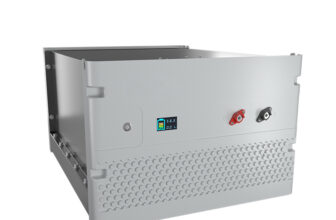
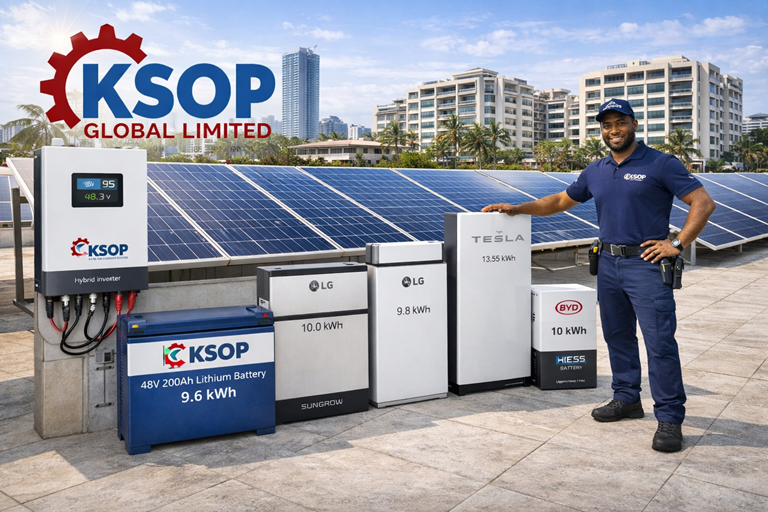
- KSOP 48V 200Ah Lithium Battery (Best Overall for Nigerian Homes)
Capacity: 9.6 kWh
Cycle Life: ~6,000+ cycles
Warranty: 7 -10 years
Why It’s Great:
- Designed for Nigerian solar conditions
- Excellent heat management
- High usable capacity
- Fast charging and deep discharge support
- Perfect for medium to large homes
Ideal for: Homes with heavy usage, offices, small businesses, mini-estates
- BYD Lithium Iron Phosphate (LiFePO4) Battery
Capacity Range: 5 kWh -20 kWh
Cycle Life: 5,000-8,000 cycles
Warranty: 7 years
Why It’s Great:
- Tier-1 brand with global certifications
- Excellent safety record
- Consistent performance
- Good for off-grid and hybrid systems
Ideal for: Schools, small enterprises, residential setups
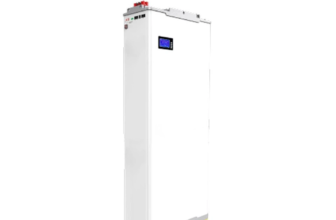
- PylonTech 48V 100Ah LiFePO4 Battery
Capacity: 4.8 kWh
Cycle Life: 6,000-8,000 cycles
Warranty: 7 years
Why It’s Great:
- Scalable (add more units as needed)
- Very low degradation
- Good thermal tolerance
Ideal for: Starter systems, moderate load homes
- Tesla Powerwall / Similar High-End Lithium Batteries
Capacity: ~13.5 kWh
Cycle Life: ~5,000 cycles
Warranty: 10 years
Why It’s Great:
- Smart battery with inbuilt energy management
- Excellent efficiency
- Can integrate with hybrid solar systems
Ideal for: Premium residential and commercial solar installations
- Bluecarbon Lithium Batteries
Capacity: 5-15 kWh
Cycle Life: 6,000+ cycles
Warranty: 7 years
Why It’s Great:
- Designed specifically for solar
- Good temperature resilience
- Solid manufacturer reputation
Ideal for: Medium homes, commercial sites
- LG Chem Resu Series
Capacity: 6.5-13 kWh
Cycle Life: ~6,000 cycles
Warranty: 7 years
Why It’s Great:
- Compact design
- Great for retrofit solar systems
- Stable performance
Ideal for: Apartments and smaller homes
- HESS Battery Solutions (Made for African Conditions)
Capacity: 10-20 kWh
Cycle Life: 3,000-5,000 cycles
Warranty: 5-8 years
Why It’s Great:
- Designed to withstand heat and dust
- Good support network in Nigeria
Ideal for: Rural installations and hybrid systems
Estimated Lithium Battery Prices in Nigeria (2026)
Prices vary by brand, capacity, and warranty. Below are approximate retail ranges as of 2026:
| Battery Model | Capacity | Price (₦ NGN) |
| KSOP 48V 200Ah | ~9.6 kWh | 1,050,000 -1,600,000 |
| BYD LiFePO4 | 10 kWh | 1,500,000 -2,300,000 |
| PylonTech | 4.8 kWh | 650,000 -900,000 |
| Tesla Powerwall | 13.5 kWh | 2,750,000 -3,500,000 |
| Sungrow | 5-15 kWh | 800,000 -2,200,000 |
| LG Chem Resu | 6.5 kWh | 1,200,000 -1,800,000 |
| HESS Battery | 10-20 kWh | 1,200,000 -2,800,000 |
Prices are indicative and depend on vendor, delivery, warranty, and installation complexity.
Pros & Cons: Lithium vs Lead-Acid for Nigerian Solar
✔ Lithium -Pros
- Longer life
- Deep discharge (up to 90%)
- Low maintenance
- Fast charging
- Higher usable capacity
✘ Lithium -Cons
- Higher upfront cost
- Requires correct inverter compatibility
✔ Lead-Acid -Pros
- Lower initial cost
- Familiar technology
✘ Lead-Acid -Cons
- Short life
- Heavy and bulky
- Limited depth of discharge
- High maintenance
Lithium may cost more initially, but over the lifetime of your solar system, it costs less than repeated lead-acid replacements.
KSOP Tips for Maximizing Lithium Battery Life in Nigeria
- Install in a Cool, Ventilated Area
Excessive heat shortens battery life.
- Choose 48V Systems for Efficiency
48V is optimal for most hybrid solar setups.
- Avoid Deep Discharging Below Recommended Levels
Set correct inverter settings.
- Use Quality Inverters with Smart Battery Management
Pure sine wave and MPPT support improves performance.
- Regular Maintenance and Firmware Updates
Annual check-ups increase longevity.
Choosing the best lithium battery for your solar setup in Nigeria makes a huge difference in performance, reliability, and long-term cost savings. Lithium batteries outperform lead-acid alternatives and are well suited for harsh Nigerian weather, longer backup needs, and deep discharge requirements.
From KSOP’s recommended premium models to scalable options for rural and urban homes, there’s a lithium battery fit for every budget and energy demand. Always pair your battery choice with professional assessment and installation by trusted solar partners like KSOP Global Limited.
By KSOP Global Limited -Nigeria’s Trusted Solar Partner