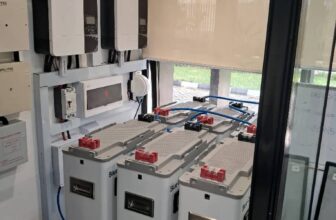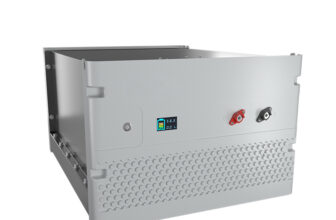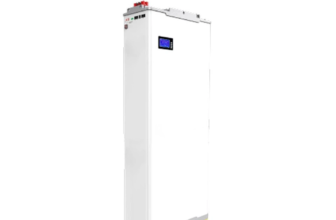

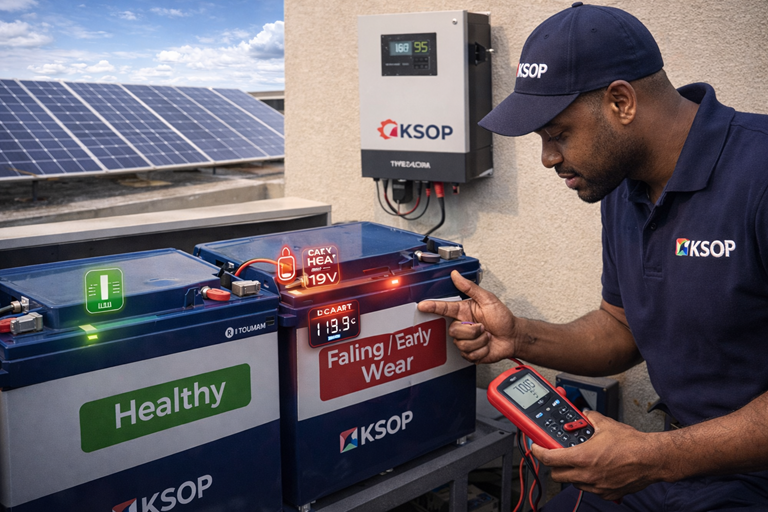
Solar batteries are one of the most important components of a solar power system. They store energy generated by your solar panels, giving you power at night or during grid outages. However, many solar users in Nigeria experience early battery failure, forcing them to replace batteries sooner than expected-sometimes within just a few years.
In this in-depth 2026 guide, we explain why solar batteries fail early, the science behind battery degradation, common mistakes Nigerian users make, and what you can do to maximize battery life. Whether you’re using lithium, tubular, AGM, or gel batteries, understanding these factors helps protect your investment and ensures long-term system performance.
What Is a Solar Battery and Why Is Its Lifespan Important?
A solar battery stores electrical energy for later use. It’s the backbone of an off-grid, hybrid, or inverter solar system.
Key Reasons Battery Lifespan Matters
- Power when sunlight is unavailable
- Reduced energy cost from generators
- Reliable backup during outages
- Long-term savings and ROI
Most quality solar batteries should last:
- Lithium batteries: 8-15+ years
- Tubular/Lead-acid batteries: 3-7 years
- AGM/Gel batteries: 2-5 years
If your battery fails much earlier, there’s usually a preventable cause.
How Solar Batteries Are Rated
Before diving into failure causes, it helps to know how batteries are rated:
- Cycle Life
A “cycle” = one full discharge + one full recharge. The more cycles a battery can handle, the longer it lasts.
- Lithium: 3000-10,000+ cycles
- Lead-acid: ~500-2000 cycles
- Depth of Discharge (DoD)
DoD is the percentage of battery capacity discharged before recharging.
- Lithium: up to 90% DoD
- Lead-acid: 50% recommended maximum
- Temperature Ratings
Higher temperatures accelerate degradation.
Top 8 Reasons Solar Batteries Fail Early
Here’s why solar batteries often fail prematurely in Nigerian environments:
- Extreme Heat and Poor Ventilation
Why It Happens
Most Nigerian cities experience high temperatures (30°C-45°C), especially Lagos, Port Harcourt, Kano, and Abuja. Solar batteries are temperature-sensitive.
Excess heat:
- Accelerates chemical breakdown
- Increases self-discharge
- Reduces cycle life
Lead-acid and AGM batteries are particularly vulnerable to heat.
How to Fix It
✔ Install batteries in a cool, ventilated room
✔ Avoid direct sunlight on battery enclosure
✔ Use fans or insulation for indoor battery banks
✔ Select batteries with heat-tolerant design
Lithium batteries handle heat much better than lead-acid types.
- Over-Discharging (Deep Discharging Regularly)
Why It Happens
When a battery is used until it’s almost empty (very low voltage), it suffers stress and capacity loss. This is common when:
- Loads are too heavy
- Batteries are undersized
- Not enough solar generation
How to Fix It
✔ Set a safe cutoff voltage
✔ Avoid draining below recommended DoD
✔ Use lithium batteries with deeper DoD tolerance
✔ Match battery size to load demand
- Inadequate Charging or Wrong Charging Settings
Why It Happens
Incorrect charging procedures damage batteries. Examples include:
- Overcharging
- Undercharging
- Using wrong charge controllers
- Poor inverter settings
How to Fix It
✔ Use correct charge profiles for battery type
✔ Ensure MPPT charge controller is calibrated
✔ Update inverter firmware if applicable
✔ Regularly monitor charging behavior
- Improper Load Management
Why It Happens
Connecting heavy appliances to a weak system forces batteries to work harder than designed. A 1.5kVA battery bank powering pumps, AC units, and freezers will fail faster.
How to Fix It
✔ Conduct load calculations before installation
✔ Distribute heavy loads wisely
✔ Upgrade inverter and battery capacity for bigger loads
✔ Use energy-efficient appliances
- Poor Quality or Counterfeit Batteries
Why It Happens
Cheap or fake batteries are widespread in the Nigerian market. They often:
- Lack quality control
- Use inferior materials
- Have exaggerated capacity ratings
How to Fix It
✔ Buy only from reputable suppliers
✔ Insist on manufacturer warranty
✔ Avoid “too cheap to be true” deals
✔ Work with professional installers like KSOP
- Lack of Maintenance (Especially for Lead-Acid)
Why It Happens
Lead-acid and tubular batteries require:
- Water top-up (where applicable)
- Clean terminals
- Tight connections
- Periodic voltage testing
Neglecting these speeds up failure.
How to Fix It
✔ Schedule periodic checks
✔ Clean terminals and wiring
✔ Top up water in flooded cells (if required)
✔ Replace aged or damaged batteries promptly
Lithium batteries require very little maintenance compared to lead-acid.
- Frequent Power Surges and Voltage Fluctuations
Why It Happens
Nigeria’s grid is notorious for:
- Voltage spikes
- Sudden surges
- Unstable input power
These fluctuations affect battery charging efficiency and internal cell stability.
How to Fix It
✔ Use surge protectors
✔ Stabilize grid power before it reaches the inverter
✔ Prefer hybrid systems designed for unstable grids
✔ Install proper earthing and grounding
- Incorrect Battery Sizing and System Design
Why It Happens
Random guesses instead of calculation lead to:
- Undersized batteries
- Batteries working beyond rated loads
- Frequent discharge cycles
How to Fix It
✔ Conduct professional load analysis
✔ Match battery to inverter and load profile
✔ Plan for future expansion
✔ Use scalable battery banks
At KSOP Global Limited, we always begin system design with precise load assessment.
Proven Ways to Extend Solar Battery Lifespan
Here’s what you can do to maximize battery lifespan:
- Choose the Right Type of Battery
- Lithium (LiFePO₄) -longest life, deep DoD, low maintenance
- Tubular -mid-range option
- AGM/Gel -less ideal for heavy daily usage
- Keep Batteries in Optimal Temperature
30°C or lower is ideal.
- Avoid Continuous Deep Discharges
Use only recommended depth of discharge (DoD).
- Use Quality Inverters and Charge Controllers
Poor electronics can stress batteries.
- Monitor Performance
Regularly check battery voltage, temperature, and charge status.
- Protect Against Surges
Use surge protectors and stabilizers to safeguard against grid spikes.
Signs Your Solar Battery Needs Replacement
If you notice any of the following, your battery is failing:
- Reduced backup time
- Inverter low-voltage beeps
- Overheating battery case
- Slow or incomplete charging
- Swelling or leakage
- High self-discharge
- Reduced max voltage on load
Frequently Asked Questions (FAQs)
Q1: Are lithium batteries worth the higher cost?
Yes -especially in Nigeria. Their long lifespan, deep discharge tolerance, and heat resilience make them more cost-effective long-term.
Q2: How often should I check my batteries?
Monthly checks are ideal, especially for lead-acid types. Lithium requires less frequent inspection.
Q3: Can surges really kill batteries?
Yes -power surges from grid spikes or generator switching can damage internal cells and reduce lifespan.
Solar battery failure often isn’t a random event-most cases are due to avoidable causes such as heat, poor maintenance, incorrect charging, bad quality products, and system design flaws. Understanding why batteries fail early is the first step toward a reliable, long-lasting solar installation.
For expert design, proper installation, quality lithium batteries, and full support in Nigeria, KSOP Global Limited offers trusted energy solutions tailored to your load, weather conditions, and budget.
Power your home or business with confidence, and avoid premature battery failure with the right knowledge and professional support.
By KSOP Global Limited – Nigeria’s Trusted Solar Partner