
Nigeria is Africa’s largest economy and most populous nation, yet it continues to struggle with one of the most unreliable electricity supplies in the world. For decades, households, businesses, hospitals, schools, and industries have depended on an unstable national grid and expensive, polluting fuel-powered generators. In recent years, however, solar energy has emerged as the most reliable and sustainable power alternative in Nigeria.
From urban cities like Lagos and Abuja to rural communities across the country, solar power is transforming how Nigerians generate and consume electricity. This article explains why solar energy stands out as the most dependable power solution in Nigeria, examining its reliability, cost-effectiveness, environmental benefits, scalability, and suitability for Nigeria’s unique energy challenges.
Nigeria’s Power Challenge: A Brief Overview
Nigeria’s electricity demand far exceeds supply. Despite having an installed generation capacity of over 13,000 MW, the country often delivers less than 5,000 MW to consumers due to transmission constraints, gas shortages, infrastructure decay, and system losses.
The result:
- Frequent blackouts
- Unpredictable power availability
- Heavy reliance on petrol and diesel generators
- High cost of self-generated electricity
- Environmental and health hazards
This energy gap has forced Nigerians to seek alternative power solutions, and solar energy has proven to be the most reliable among them.
- Abundant Sunshine Makes Solar Naturally Reliable
One of Nigeria’s greatest advantages is its geographical location. The country lies close to the equator and enjoys high solar irradiation throughout the year.
Key Facts:
- Nigeria receives an average of 5.5-7.0 kWh/m²/day of solar radiation
- Sunshine is available for 5-9 hours daily across most regions
- Solar energy is consistent year-round, unlike hydroelectric power that depends on rainfall
This abundance of sunlight makes solar power a naturally reliable energy source, especially when paired with modern battery storage systems.
- Independence from the National Grid
One of the biggest reasons solar is considered the most reliable power alternative in Nigeria is energy independence.
Grid Power vs Solar Power
| Grid Electricity | Solar Power |
| Frequent outages | Continuous power |
| Load shedding | No load shedding |
| National system failures | Independent system |
| Rising tariffs | Stable long-term cost |
Solar systems-whether off-grid or hybrid-allow users to generate their own electricity, eliminating dependence on an unreliable grid.
- Solar Is More Reliable Than Generators
Generators have long been Nigeria’s go-to backup power source, but they are far from reliable in the long term.
Problems with Generators:
- Constant fuel shortages
- Rising petrol and diesel prices
- Frequent mechanical breakdowns
- Noise pollution
- Carbon monoxide risks
- High maintenance costs
Why Solar Wins:
- No fuel required
- Minimal maintenance
- Quiet operation
- Long lifespan (20-25 years for panels)
- Consistent daily power generation
Once installed, a properly designed solar system delivers stable and predictable power, making it far more dependable than fuel generators.
- Cost Stability in an Unpredictable Economy
Nigeria’s economy is highly affected by:
- Fuel price volatility
- Currency fluctuations
- Inflation
- Subsidy removal
Solar energy provides cost certainty.
Long-Term Financial Reliability:
- One-time installation cost
- No monthly fuel expenses
- Reduced electricity bills
- Protection from fuel price hikes
- Return on investment within 3-6 years
While the initial investment may seem high, solar power quickly pays for itself and continues to deliver free electricity for decades.
- Reliable Power for Businesses and Critical Services
For businesses, unreliable electricity means:
- Lost revenue
- Equipment damage
- Reduced productivity
- Higher operating costs
Solar energy ensures business continuity, especially for:
- Hospitals and clinics
- Schools and universities
- Hotels and event centers
- Factories and warehouses
- Banks and offices
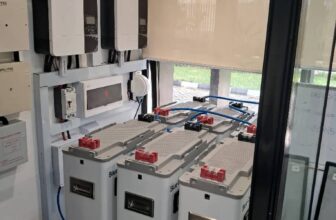
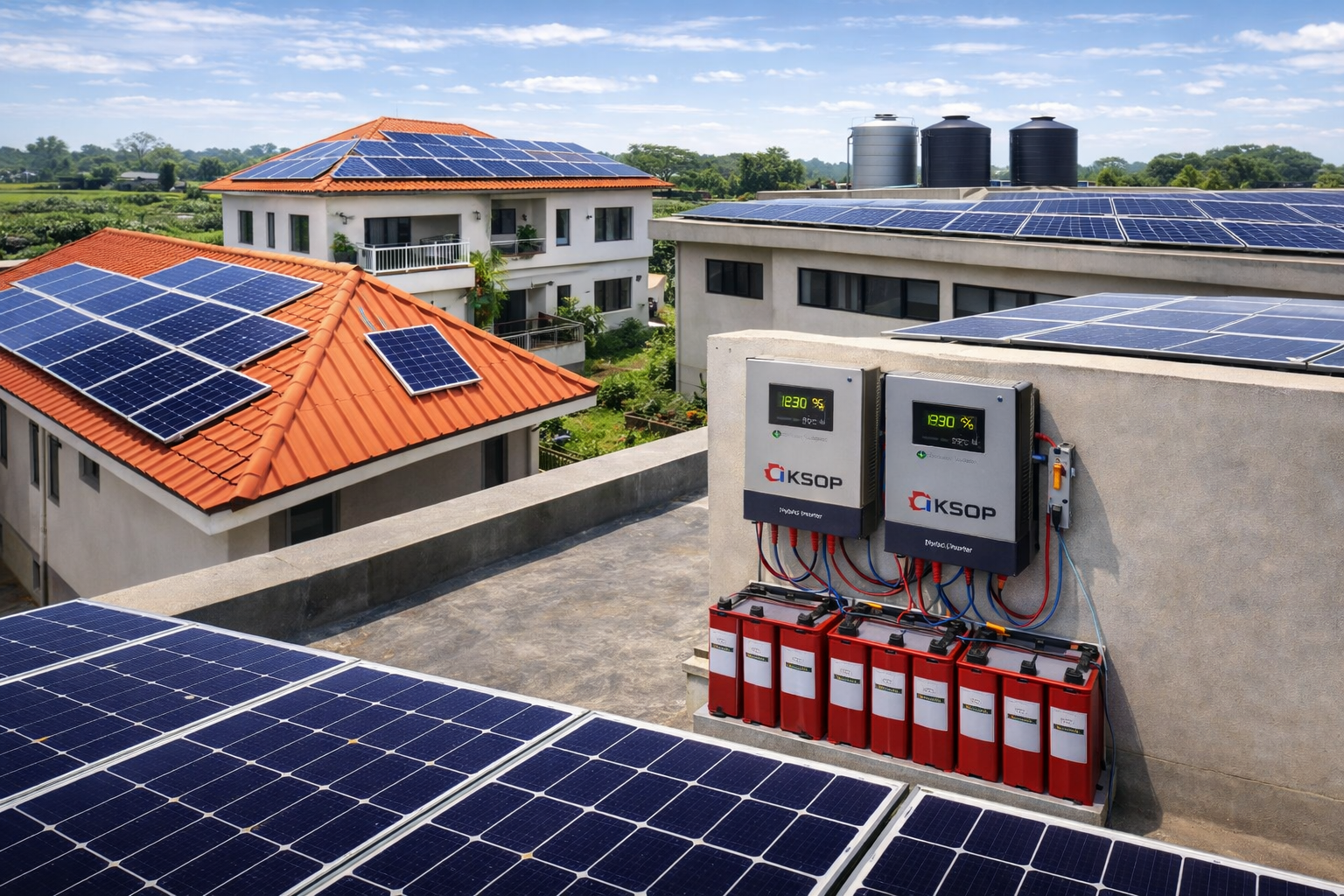
Hybrid solar systems with battery backup and inverter technology provide 24/7 power availability, even during extended grid failures.
- Advanced Battery Storage Improves Reliability
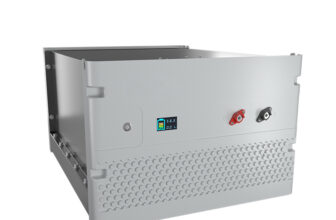
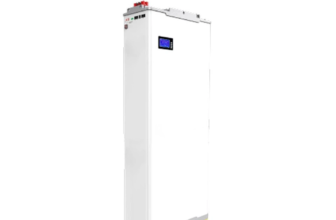
Modern solar systems are no longer limited to daytime use. With lithium and deep-cycle battery technology, solar energy can be stored and used at night or during cloudy periods.
Benefits of Solar Batteries:
- Power availability during outages
- Energy backup for night use
- Improved system efficiency
- Long lifespan (especially lithium batteries)
- Intelligent energy management
Battery-backed solar systems make solar power as reliable as, or more reliable than, grid electricity.
- Minimal Maintenance, Maximum Uptime
Solar systems are known for their low maintenance requirements.
Maintenance Advantages:
- No moving parts
- Simple periodic cleaning
- Minimal wear and tear
- Fewer system failures
- Remote monitoring options
Compared to generators that require frequent servicing, oil changes, and part replacements, solar systems offer exceptional operational reliability.
- Environmentally Reliable and Future-Proof
Solar energy is not only reliable today-it is future-proof.
Environmental Benefits:
- Zero emissions
- No noise pollution
- Reduced carbon footprint
- Cleaner air and healthier communities
As Nigeria and the world move toward cleaner energy policies, solar power remains a sustainable and compliant energy solution, unlike fossil fuel-based alternatives that may face restrictions in the future.
- Scalable and Adaptable for All Needs
Solar energy systems are highly flexible and scalable.
Suitable For:
- Small homes
- Large residential estates
- Commercial buildings
- Industrial facilities
- Rural electrification
- Agricultural operations
Users can start small and expand their system as energy needs grow, making solar a reliable long-term investment.
- Government and Private Sector Support
Nigeria’s renewable energy sector continues to receive support from:
- Government renewable energy policies
- International development partners
- Private solar companies
- Financing and payment plans
This growing ecosystem improves access to quality solar components, professional installation, and long-term support-further strengthening solar’s reliability.
Conclusion: Solar Is Nigeria’s Best Power Solution
In a country where power outages are a daily reality, solar energy stands out as the most reliable power alternative in Nigeria. Its independence from the grid, abundance of sunlight, cost stability, low maintenance, and compatibility with modern battery storage make it the ideal solution for homes and businesses alike.
As fuel prices rise and grid electricity remains unstable, solar power offers Nigerians energy security, financial savings, and peace of mind. Investing in solar is no longer a luxury-it is a smart, reliable, and future-ready decision.