
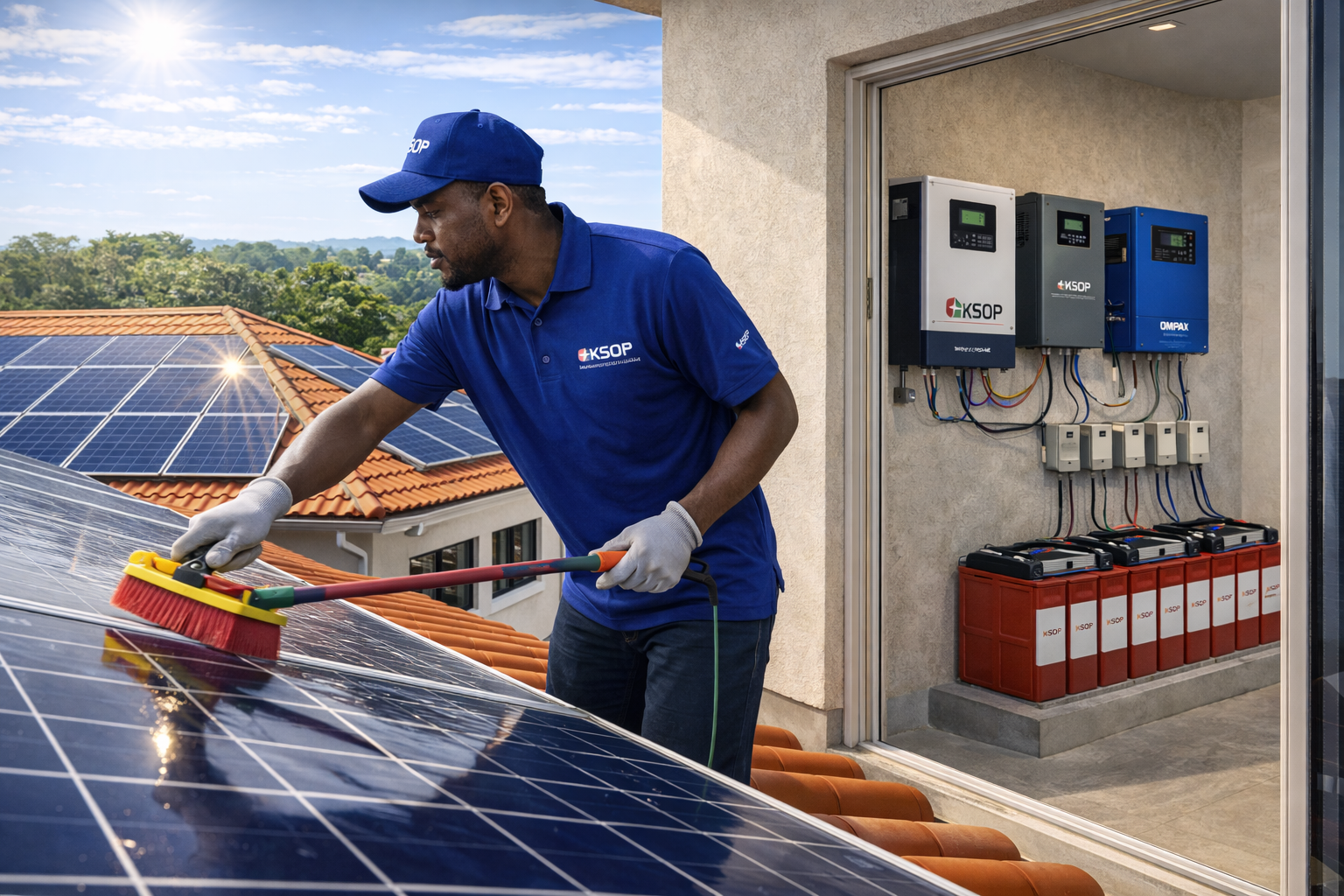
A Complete Guide to Keeping Your Solar Investment Efficient and Reliable
Solar power systems have become an essential energy solution for homes and businesses, especially in regions where electricity supply can be inconsistent. Installing solar panels, inverters, and battery systems is a smart investment -but like any technical system, proper maintenance is critical to ensure long-term efficiency, reliability, and cost savings.
Many people assume solar systems are completely maintenance-free. While they do require less upkeep than traditional generators or grid infrastructure, routine care can significantly improve performance and extend lifespan. Neglecting maintenance may lead to reduced energy production, battery failure, or inverter malfunction -issues that can be costly to fix.
This comprehensive guide walks you through simple yet effective maintenance tips to keep your solar power system operating at peak efficiency.
Understanding the Components That Require Maintenance
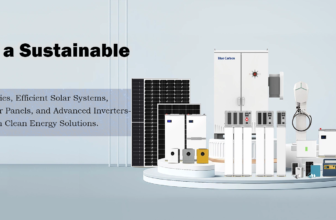
Before diving into maintenance practices, it’s important to understand the major components of a solar power system:
- Solar Panels -Capture sunlight and convert it into electricity
- Inverter -Converts DC electricity into usable AC power
- Battery Storage -Stores excess energy for later use
- Charge Controller -Regulates voltage and current flow
- Wiring and Mounting Structures -Ensure system connectivity and stability
Each component plays a vital role, and maintaining them properly ensures the entire system works efficiently.
- Keep Solar Panels Clean
Why Cleaning Matters
Dust, dirt, leaves, bird droppings, and pollution can accumulate on solar panels, blocking sunlight and reducing efficiency. In dusty or urban environments, output can drop significantly if panels are not cleaned regularly.
Simple Cleaning Tips
- Use clean water and a soft cloth or sponge
- Avoid abrasive materials that could scratch the glass
- Clean early in the morning or evening when panels are cool
- Do not use harsh chemicals or detergents
- If panels are difficult to access, hire professionals
Recommended Frequency
- Every 2-3 months in dusty areas
- Every 4-6 months in cleaner environments
- After storms or heavy pollution exposure
Clean panels allow maximum sunlight absorption, improving overall system performance.
- Monitor System Performance Regularly
Modern solar systems often include monitoring apps or digital displays that show energy production and usage. Monitoring helps detect problems early.
What to Look For
- Sudden drops in energy output
- Error alerts from inverter or charge controller
- Battery charging abnormalities
Benefits of Monitoring
- Early fault detection
- Improved efficiency tracking
- Better understanding of energy consumption
Make it a habit to check your system weekly or monthly.
- Inspect Solar Panels for Physical Damage
Solar panels are durable but not indestructible. Physical inspections can identify issues before they worsen.
Check For
- Cracks or chips in glass
- Loose mounting brackets
- Shading from new tree growth or structures
- Corrosion around frames
If damage is detected, contact a qualified technician for assessment and repair.
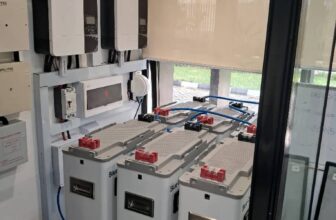
- Maintain Batteries Properly
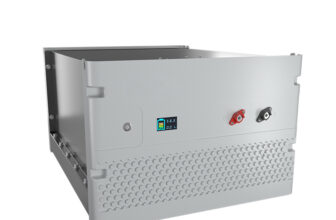
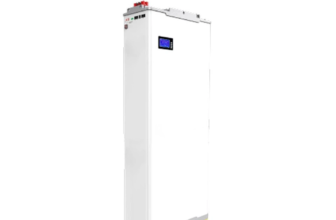
Battery storage is one of the most sensitive parts of a solar system. Poor maintenance can drastically shorten battery lifespan.
Maintenance Tips
- Keep batteries in a cool, ventilated area
- Avoid overcharging or deep discharging
- Check terminals for corrosion
- Ensure connections remain tight
For Lithium Batteries
- Minimal maintenance required
- Monitor temperature and charging cycles
For Lead-Acid Batteries
- Check water levels regularly
- Clean terminals
- Equalize charge as recommended
Proper battery care ensures consistent energy storage and long-term savings.
- Check Inverter Status and Ventilation
The inverter is the brain of your solar system. If it fails, your entire system may stop functioning.
Routine Checks
- Confirm indicator lights show normal operation
- Listen for unusual noises
- Ensure adequate airflow around the unit
- Remove dust from vents
Overheating or blocked ventilation can reduce efficiency or cause shutdowns.
- Inspect Wiring and Connections
Loose or damaged wiring can lead to energy loss or safety hazards.
What to Examine
- Frayed cables
- Loose connections
- Signs of overheating
- Rodent damage
Electrical inspections should ideally be performed by trained technicians to ensure safety.
- Trim Surrounding Vegetation
Over time, trees or plants may grow and cast shadows on solar panels.
Why It Matters
Even partial shading can significantly reduce energy production.
Maintenance Action
- Trim branches regularly
- Ensure panels receive maximum sunlight exposure
Keeping the installation area clear boosts efficiency.
- Schedule Professional Servicing
While basic maintenance can be done independently, periodic professional inspection is crucial.
Recommended Service Frequency
- Once or twice per year
Professional Checks Include
- Electrical testing
- System calibration
- Component health evaluation
- Efficiency optimization
Professional servicing ensures long-term reliability and safety.
- Protect Your System During Extreme Weather
Severe weather conditions can impact solar installations.
Preventive Measures
- Ensure mounting structures are secure
- Check drainage around battery areas
- Inspect system after storms
Proactive protection minimizes damage risk.
- Keep Documentation and Records
Maintaining records of installation details, warranties, and servicing schedules helps with troubleshooting and insurance claims.
Keep Track Of
- Maintenance history
- Performance logs
- Warranty documents
Good documentation ensures faster support when needed.
The Long-Term Benefits of Solar Maintenance
Consistent maintenance offers several advantages:
- Higher energy efficiency
- Longer equipment lifespan
- Reduced repair costs
- Improved safety
- Maximum return on investment
Solar systems are designed to last decades, and proper care ensures you fully benefit from your investment.
Final Thoughts
Solar power systems provide reliable, clean, and cost-effective energy -especially when properly maintained. Simple steps such as cleaning panels, monitoring performance, checking batteries, and scheduling professional servicing can dramatically improve efficiency and longevity.
Whether installed in residential homes, apartments, or commercial facilities, maintenance should never be overlooked. Treat your solar system as an asset that requires attention, and it will continue delivering dependable power for years to come.
If you’re looking for expert guidance, installation, or servicing, partnering with experienced professionals ensures your system remains optimized and secure.