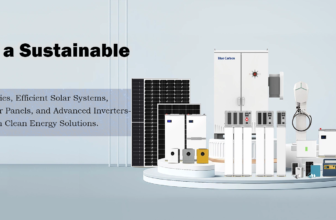

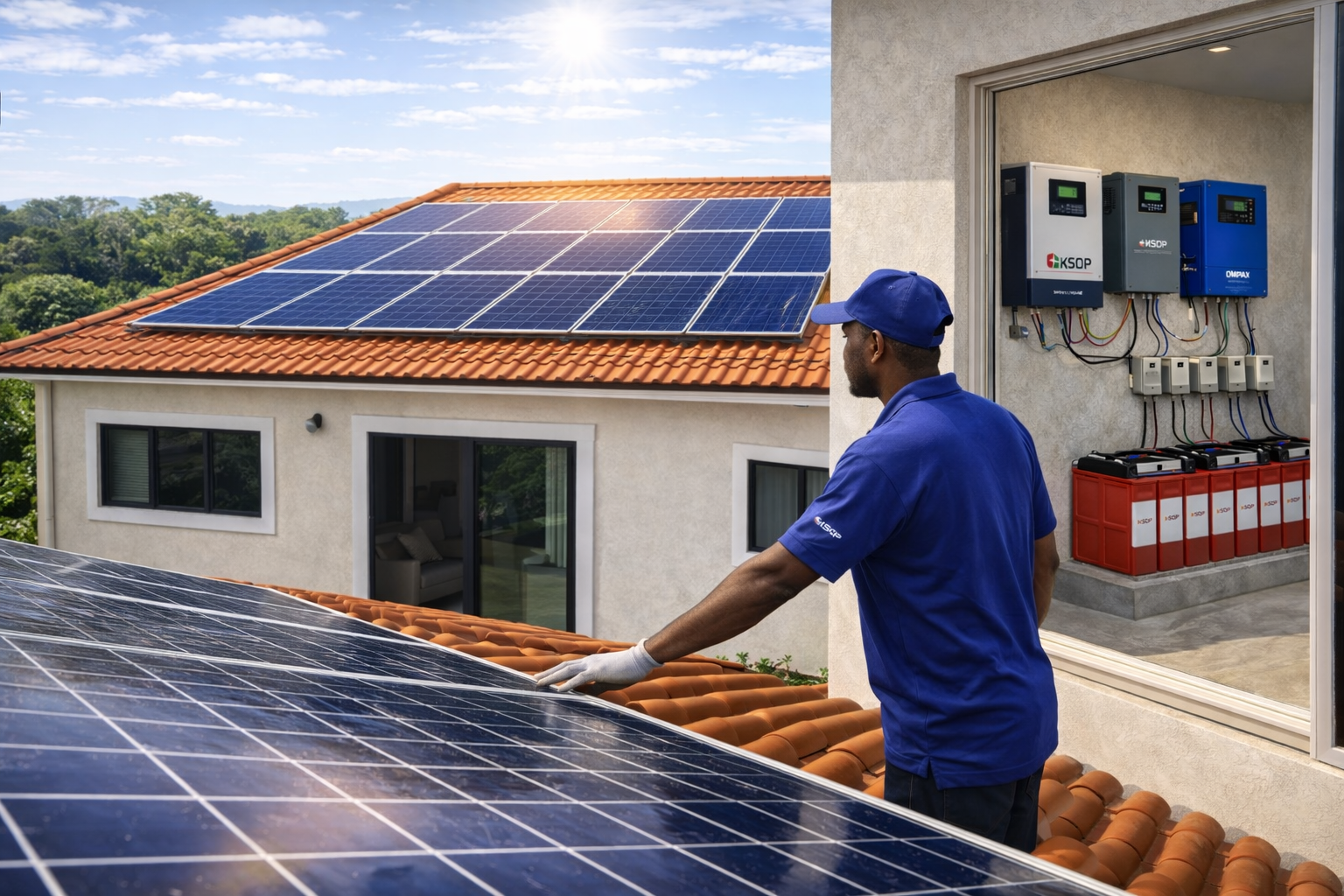
With rising electricity costs, frequent grid instability, and growing environmental awareness, more homeowners are turning to solar energy as a reliable and sustainable solution. Solar power systems -often paired with inverters and battery storage -provide independence from unpredictable utility supply while reducing long-term energy costs.
However, before installing solar panels, it’s important to determine whether your home is truly ready for the transition. Installing solar without proper assessment may lead to reduced efficiency, unexpected expenses, or system underperformance.
In this comprehensive guide, we’ll explore five clear signs that your home is ready for solar installation, helping you make an informed decision and maximize the value of your investment.
Understanding Solar Readiness
Solar readiness refers to the physical, financial, and energy-consumption conditions that make installing solar panels both practical and beneficial. It involves evaluating roof condition, sunlight exposure, electrical infrastructure, and energy usage patterns.
When your home meets certain criteria, the installation process becomes smoother, system efficiency improves, and your return on investment increases.
Let’s explore the major indicators.
- Your Roof Receives Plenty of Sunlight
One of the most critical factors in solar performance is sunlight availability. Solar panels generate electricity by converting sunlight into energy, so unobstructed exposure is essential.
What to look for:
- Minimal shading from trees, neighboring buildings, or structures
- Roof orientation facing south, southwest, or southeast (in most regions)
- Long hours of daily sunlight exposure
- Open rooftop space for panel placement
Why it matters:
Homes with strong sunlight exposure can generate more electricity, leading to better energy savings and system efficiency. Even partial shading can reduce performance, making site assessment vital.
Tip:
If shading exists, trimming trees or adjusting panel placement may improve readiness.
- Your Roof Is Structurally Sound and Spacious
Solar panels typically remain installed for 20-30 years, so your roof must be strong enough to support them long-term.
Indicators your roof is ready:
- No leaks or major structural damage
- Roofing materials in good condition
- Recently installed or maintained roof
- Enough space for the number of panels needed
Why it matters:
Installing solar on a weak or aging roof can lead to removal costs later if repairs or replacement become necessary. Ensuring durability beforehand saves money and prevents complications.
Tip:
If your roof is nearing the end of its lifespan, consider repairs or replacement before installation.
- Your Energy Bills Are Consistently High
One of the clearest signs your home could benefit from solar installation is high electricity expenses.
Consider solar if:
- You experience frequent electricity bill increases
- Your home uses energy-intensive appliances
- You rely heavily on backup generators
- Grid electricity is unreliable or inconsistent
Why it matters:
Solar systems offset grid consumption, reducing energy costs over time. The higher your existing energy costs, the faster you may recover installation expenses through savings.
Tip:
Analyze your electricity usage over 6-12 months to understand consumption patterns and system sizing needs.
- You Have Space for Supporting Equipment
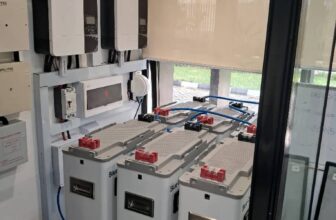
Solar power systems include more than rooftop panels. They often require:
- Inverters
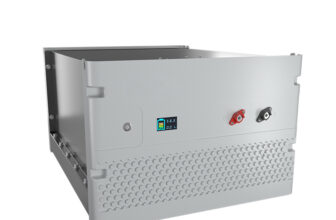
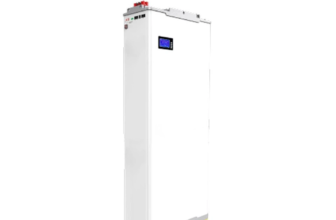
- Batteries (for energy storage)
- Monitoring systems
- Electrical safety components
Readiness indicators:
- Indoor wall or floor space for equipment installation
- Ventilated environment for battery placement
- Accessible electrical panel
- Secure location protected from weather exposure
Why it matters:
Proper equipment placement improves safety, accessibility, and performance. Limited space can restrict system design or increase installation complexity.
Tip:
Consult professionals to assess suitable equipment locations during planning.
- You’re Planning Long-Term Home Ownership
Solar installation is a long-term investment designed to deliver value over many years.
Signs solar fits your plans:
- You intend to stay in the home for several years
- You prioritize sustainability and energy independence
- You want to increase property value
- You seek stable energy costs
Why it matters:
Solar benefits accumulate over time through savings and reliability. Short-term homeowners may not fully realize the financial advantages before relocating.
Bonus:
Homes with solar systems often attract environmentally conscious buyers and can command higher resale interest.
Additional Factors That Improve Solar Readiness
While the five main signs above are essential, several supporting conditions strengthen your readiness:
Stable Electrical Infrastructure
A well-maintained wiring system allows seamless integration with solar equipment.
Professional Installer Availability
Working with experienced installers ensures optimal system design, safety, and efficiency.
Budget or Financing Plan
Having a clear financial strategy supports smooth installation and maintenance planning.
Environmental Commitment
Choosing renewable energy contributes to reduced carbon emissions and cleaner communities.
Benefits of Installing Solar When Your Home Is Ready
Recognizing readiness leads to several advantages:
- Reduced electricity expenses
- Reliable backup power during outages
- Lower environmental impact
- Increased property value
- Long-term energy independence
- Predictable energy costs
Solar technology continues to advance, making systems more efficient, durable, and accessible than ever before.
Final Thoughts
Transitioning to solar energy is a significant step toward sustainable living and financial savings. By identifying whether your home meets key readiness indicators -sunlight exposure, roof condition, energy usage patterns, equipment space, and long-term ownership plans -you position yourself for a successful installation.
If your home aligns with these signs, consulting a professional installer for assessment and system design is the next step toward unlocking clean, renewable power.
Investing in solar energy isn’t just about technology -it’s about future-proofing your home and contributing to a greener planet.