
A Complete 2025 Guide by KSOP Global Limited
Solar power adoption in Nigeria has grown rapidly due to rising electricity costs, unstable grid supply, and increasing awareness about renewable energy. However, despite the growing interest, many homeowners and business owners still make costly mistakes when buying solar systems. These mistakes lead to wrong installations, damaged batteries, low performance, and unnecessary expenses that could have been avoided with proper guidance.
In this expert guide, KSOP Global Limited breaks down the 10 most common mistakes Nigerians make when purchasing solar systems – and how to avoid them. Whether you’re a beginner or upgrading your current setup, this article will help you make smarter decisions and get the best value for your investment.
- Buying Solar Systems Without Proper Load Calculation
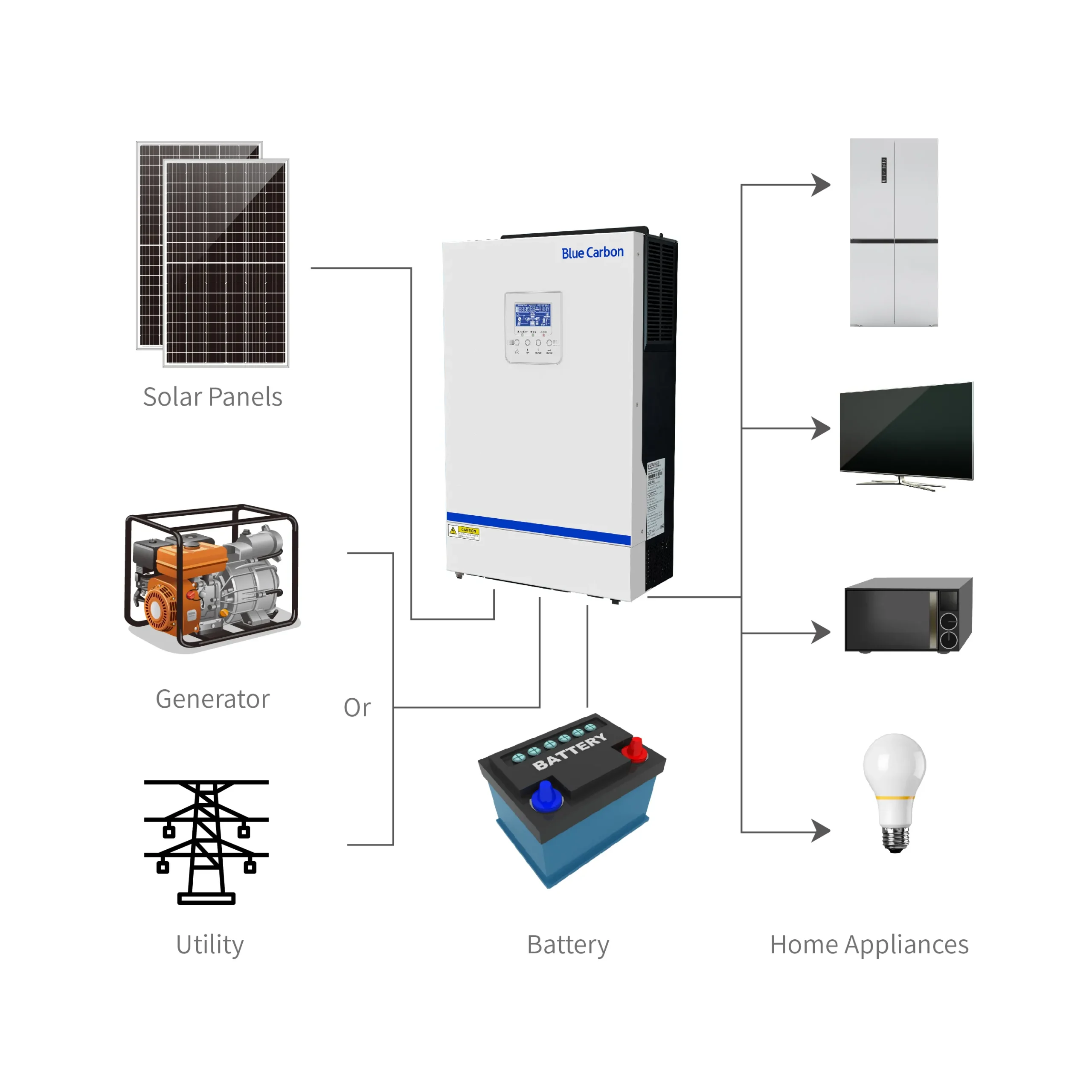
The most frequent mistake is buying solar panels, inverters, and batteries without calculating the energy demand of your home or office. Many Nigerians buy a “1.5kVA inverter package” expecting it to power fridges, pumps, and ACs – but quickly realize that it cannot.
How to Avoid This
- List all appliances you want to power.
- Record their wattages and daily usage duration.
- Get a professional assessment from KSOP Global Limited to size your system accurately.
Accurate sizing = efficient performance + longer lifespan.
- Choosing the Wrong Battery Type
Solar batteries determine how long your system lasts at night or during cloudy weather. Many buyers choose cheap tubular batteries because they appear more affordable – but they don’t always fit heavy-duty applications and heat conditions in Nigeria.
How to Avoid This
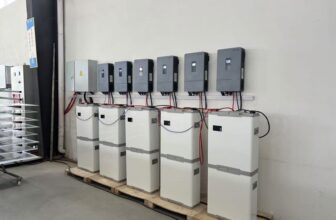
- Use Lithium batteries for long lifespan (3,000-6,000+ cycles).
- Choose tubular batteries only for light/medium usage.
- Ensure batteries are stored in a cool, ventilated space.
KSOP technicians help customers select the right battery for their lifestyle, not just their budget.
- Buying the Cheapest System
Cheap systems are often low-quality imports with unreliable performance. Customers who buy very cheap solar packages often end up replacing parts every few months.
Why It’s a Mistake
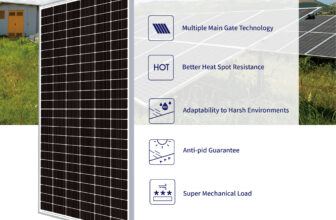
- Cheaper panels degrade faster.
- Cheap inverters fail under Nigerian voltage conditions.
- Poor wiring causes safety risks and fires.
Quality saves money long-term.
- Ignoring the Need for a Charge Controller
Some Nigerians buy solar panels and connect them directly to batteries believing it “will still work.” This damages the battery permanently.
Correct Solution
Use the right MPPT charge controller, which:
- Protects batteries
- Optimizes solar charging
- Improves system efficiency
KSOP installations always include properly rated controllers.
- Not Considering Weather and Roof Orientation
Nigeria’s sun is abundant, but shading from trees/shrines/water tanks can drastically reduce performance. Many buyers place panels anywhere without checking orientation.
Correct Practice
- Panels must face south for maximum output in Nigeria.
- No shading from 9 am to 4 pm.
- KSOP uses digital solar meters to determine the best angle.
- Overloading the Inverter
A common Nigerian habit is adding more appliances after installation, believing “the inverter will manage it.” This shortens the inverter’s lifespan and causes shutdowns.
How to Avoid This
- Never exceed 70-80% of inverter capacity.
- Upgrade your system if adding appliances.
- Get expert load balancing from KSOP.
- Expecting Solar to Power Heavy Appliances Without Proper Design
Solar can power anything – including ACs, deep freezers, boreholes, and industrial machines – but only when designed correctly.
Common Misunderstandings
- A 1kVA inverter cannot power a freezer.
- A 200Ah battery is not enough for multiple heavy devices.
KSOP designs custom hybrid systems for both homes and businesses.
- Not Budgeting for Proper Wiring and Accessories
People often buy panels, batteries, and inverters but forget:
- AC/DC breakers
- PV cables
- Earthing
- Combiner boxes
- Surge protectors
These items protect the system and improve safety.
Solution
Always request a full quotation from KSOP that includes all accessories and wiring for long-term safety.
- Hiring Unqualified Installers
This is one of the biggest problems in Nigeria. Untrained installers often use poor wiring, wrong fuse sizes, or cheap components, which leads to:
- Fire hazards
- System failures
- Reduced lifespan
Why KSOP Is Different
- Certified technicians
- Warranty and after-sales support
- Professional load assessment
- Proper system documentation
- Not Planning for Future Expansion
A major mistake is installing a system that only meets your current needs. If you plan to add new appliances later, your solar system should be expandable.
Smart Approach
- Choose modular inverters
- Use lithium batteries that allow parallel expansion
- Install panel rails for future addition
KSOP designs flexible systems that grow with your energy needs.
Final Thoughts
Solar is a smart investment, but only when done correctly. By avoiding these 10 mistakes, Nigerians can enjoy long-lasting, efficient, and cost-saving solar power.
KSOP Global Limited provides:
- Expert solar assessment
- High-quality panels, inverters & batteries
- Professional installation
- Warranty & maintenance
- 24/7 customer support
If you want a reliable solar system that delivers maximum value, KSOP Global Limited is your trusted partner.