
As solar energy adoption continues to grow across Nigeria and other parts of the world, more homeowners and businesses are investing in renewable energy systems to reduce electricity costs and enjoy uninterrupted power supply. One of the most important components of any solar power system is the inverter.
When shopping for a solar inverter, you will often come across two common options: Hybrid Inverters and Normal Inverters. While both devices convert DC electricity into AC electricity for household and commercial use, they differ significantly in functionality, efficiency, flexibility, and overall performance.
Understanding the difference between a hybrid inverter and a normal inverter can help you make the right decision for your home, office, or industrial project.
In this comprehensive guide, we explain everything you need to know about hybrid inverters and normal inverters, including their features, advantages, disadvantages, and ideal applications.
What Is an Inverter?

 An inverter is an electronic device that converts Direct Current (DC) electricity into Alternating Current (AC) electricity.
Solar panels and batteries produce DC electricity, but most household appliances require AC electricity. The inverter acts as the bridge that makes solar energy usable.
Without an inverter, a solar system cannot effectively power most appliances and equipment.
What Is a Normal Inverter?
A normal inverter, often referred to as a conventional inverter, is designed primarily to convert battery power into usable AC electricity.
It typically works with:
- Batteries
- Utility grid power
- Generators
Its primary purpose is to provide backup electricity during power outages.
How a Normal Inverter Works
A normal inverter:
- Receives power from batteries.
- Converts DC electricity to AC electricity.
- Supplies power to connected appliances.
When grid electricity is available, the inverter charges the batteries. During an outage, it switches to battery power.
Advantages of a Normal Inverter
- Lower Initial Cost
Normal inverters are generally more affordable than hybrid inverters.
This makes them attractive for:
- Small homes
- Budget-conscious users
- Basic backup systems
- Simple Installation
Because they have fewer features, installation is often easier.
- Reliable Backup Power
Normal inverters provide dependable backup during power failures.
Disadvantages of a Normal Inverter
- Limited Solar Integration
Most normal inverters do not include built-in solar charge controllers.
Additional equipment is often required.
- Lower Energy Management Capability
Normal inverters lack intelligent energy management features.
- Reduced Efficiency
Because they rely on external controllers and manual configurations, overall system efficiency may be lower.
What Is a Hybrid Inverter?
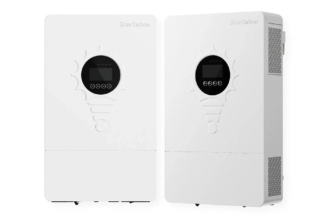
A hybrid inverter is an advanced inverter that combines multiple functions into one device.
It can manage:
- Solar panels
- Batteries
- Utility grid power
- Generator input (in some models)
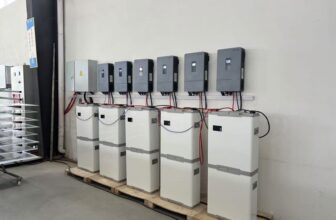
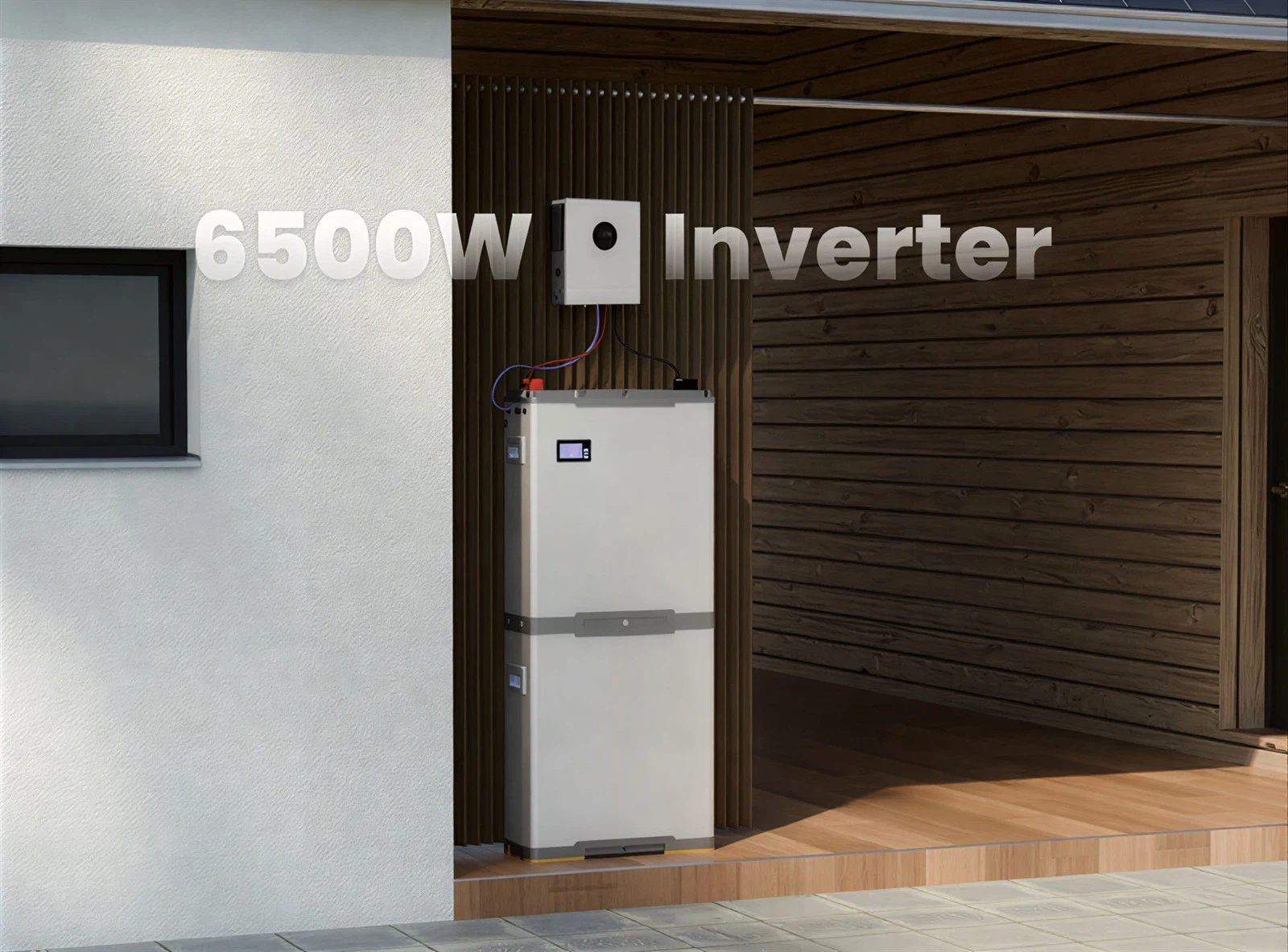
Hybrid inverters are designed to optimize energy flow between all available power sources.
How a Hybrid Inverter Works
A hybrid inverter:
- Receives power from solar panels.
- Supplies power directly to loads.
- Charges batteries using excess solar energy.
- Draws power from the grid when needed.
- Automatically switches between energy sources.
This intelligent energy management improves efficiency and reliability.
Key Differences Between Hybrid and Normal Inverters
- Solar Compatibility
Hybrid Inverter
Hybrid inverters are specifically designed for solar systems.
Features include:
- Built-in MPPT solar charge controller
- Direct solar panel connection
- Solar energy optimization
Normal Inverter
Normal inverters often require:
- External charge controllers
- Additional wiring
- Separate solar management devices
Winner: Hybrid Inverter
- Battery Management
Hybrid Inverter
Modern hybrid inverters offer advanced battery management.
They can:
- Communicate with lithium battery BMS
- Monitor battery health
- Optimize charging cycles
Normal Inverter
Battery management capabilities are generally basic.
Winner: Hybrid Inverter
- Energy Efficiency
Hybrid Inverter
Hybrid systems maximize energy utilization by:
- Prioritizing solar power
- Storing excess energy
- Reducing energy loss
Normal Inverter
Less efficient due to limited energy management functions.
Winner: Hybrid Inverter
- Backup Power Performance
Hybrid Inverter
Provides seamless switching between:
- Solar power
- Battery power
- Grid power
This ensures continuous electricity supply.
Normal Inverter
Backup power depends entirely on battery capacity.
Winner: Hybrid Inverter
- Electricity Bill Savings
Hybrid Inverter
Hybrid inverters help reduce electricity bills by:
- Maximizing solar usage
- Reducing grid dependence
- Storing excess solar energy
Normal Inverter
Offers limited opportunities for bill reduction.
Winner: Hybrid Inverter
- Installation Cost
Hybrid Inverter
Higher upfront investment due to advanced technology.
Normal Inverter
Lower initial cost.
Winner: Normal Inverter
- System Expansion
Hybrid Inverter
Allows easier expansion of:
- Solar panels
- Battery storage
- Energy capacity
Normal Inverter
Expansion can be more complicated.
Winner: Hybrid Inverter
Why Hybrid Inverters Are Becoming Popular in Nigeria
Several factors have increased the demand for hybrid inverters:
Frequent Power Outages
Many homes and businesses need uninterrupted electricity.
Rising Electricity Costs
Hybrid systems reduce dependence on expensive grid power.
Falling Solar Equipment Costs
Solar systems are becoming more affordable.
Increased Adoption of Lithium Batteries
Hybrid inverters work exceptionally well with lithium battery technology.
Hybrid Inverter Applications
Hybrid inverters are ideal for:
Residential Homes
- Backup power
- Reduced electricity bills
- Energy independence
Offices
- Reliable power supply
- Business continuity
Hotels
- Continuous operation
- Lower energy expenses
Hospitals
- Critical power backup
Industrial Facilities
- Large-scale energy management
Normal Inverter Applications
Normal inverters are suitable for:
Small Homes
Basic backup power requirements.
Budget Installations
Lower upfront costs.
Temporary Backup Solutions
Simple emergency power systems.
Lithium Batteries and Hybrid Inverters
One of the biggest advantages of hybrid inverters is their compatibility with lithium batteries.
Benefits include:
- Longer battery lifespan
- Faster charging
- Improved efficiency
- Better energy management
Many modern lithium batteries communicate directly with the inverter through:
- CAN communication
- RS485 communication
This improves performance and battery protection.
Common Mistakes When Choosing an Inverter
- Choosing Based Only on Price
A cheaper inverter may cost more over time due to lower efficiency.
- Ignoring Future Expansion
Consider future energy needs before selecting an inverter.
- Overlooking Battery Compatibility
Ensure the inverter supports your battery technology.
- Hiring Inexperienced Installers
Proper installation is essential for optimal performance.
Which Inverter Should You Choose?
Choose a Hybrid Inverter if:
✅ You plan to install solar panels
✅ You use lithium batteries
✅ You want lower electricity bills
✅ You need intelligent energy management
✅ You want future system expansion
Choose a Normal Inverter if:
✅ You only need basic backup power
✅ You have a limited budget
✅ You do not plan to install solar panels immediately
Conclusion
Both hybrid and normal inverters serve important purposes, but they are designed for different energy needs.
A normal inverter is suitable for simple backup power applications and offers a lower initial investment. However, it lacks the advanced energy management capabilities required for modern solar installations.
A hybrid inverter, on the other hand, is a complete energy management solution that integrates solar panels, batteries, and grid power into a single intelligent system. It provides greater efficiency, better battery management, lower electricity bills, and enhanced energy independence.
For most modern homes and businesses investing in solar energy, a hybrid inverter is often the smarter long-term choice because it delivers superior performance, flexibility, and value.