
Security has become a top priority for financial institutions and corporate organizations across Nigeria and beyond. With increasing threats ranging from unauthorized access to internal data breaches, traditional locks and manual entry systems are no longer sufficient. Smart access control systems provide advanced, reliable, and efficient protection that aligns with modern operational needs.
This comprehensive guide explores how smart access control works, its benefits, system types, and why banks and corporate offices should adopt it to ensure safety, accountability, and operational efficiency.
Understanding Smart Access Control Systems
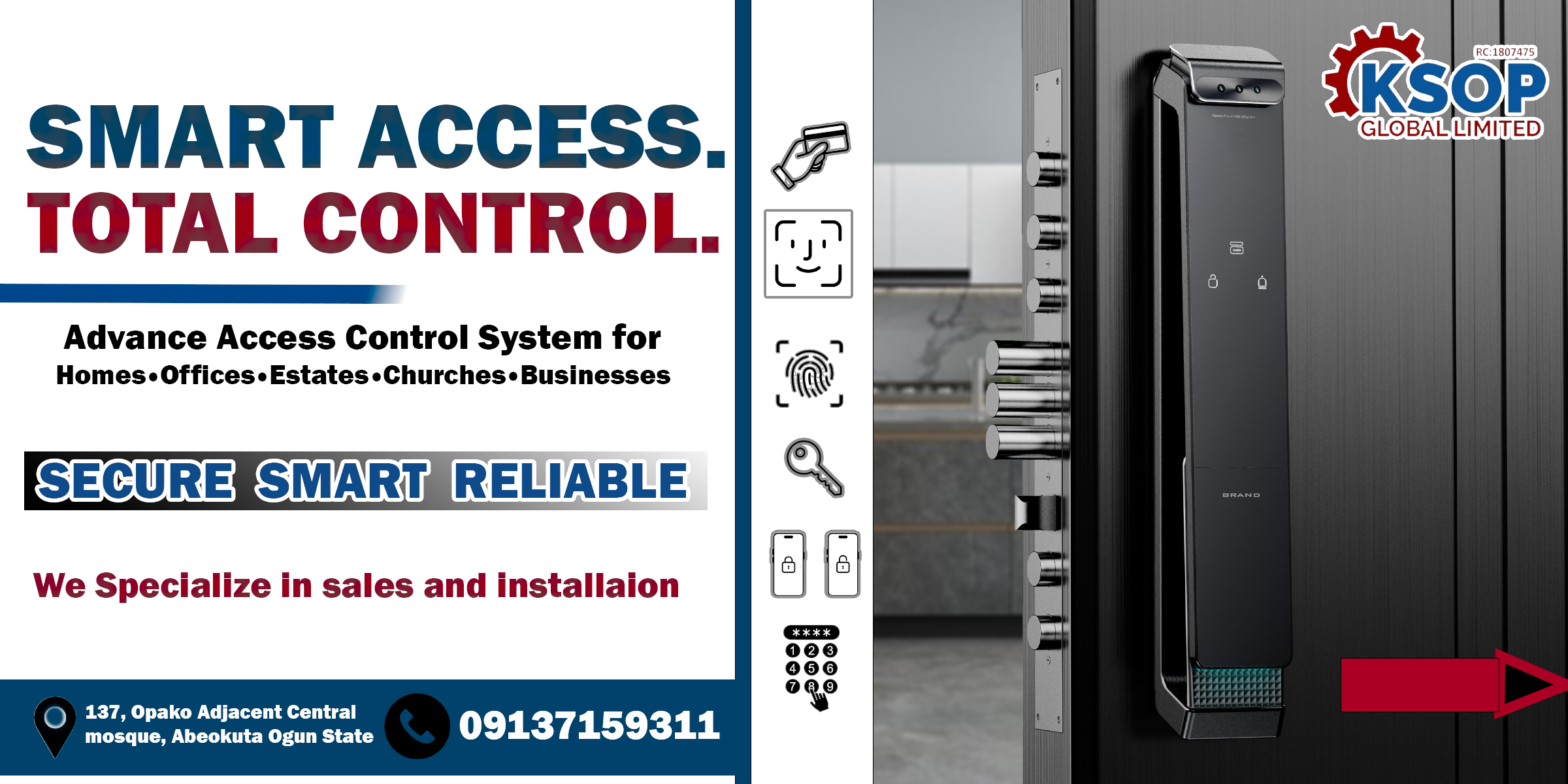
Smart access control refers to digital security solutions that regulate who can enter or exit a building, room, or restricted area. These systems replace conventional locks with technologies such as biometrics, smart cards, mobile authentication, or PIN verification.
Unlike traditional locks that rely solely on physical keys, smart access systems provide real-time monitoring, automated logging, and remote management -enabling administrators to oversee access activities and respond instantly to potential threats.
For banks handling sensitive financial data or corporate offices managing confidential business information, smart access control offers an essential layer of protection.
Why Banks and Corporate Offices Need Smart Access Control
- Protection of Sensitive Assets
Banks safeguard cash vaults, transaction data, and client records, while corporate organizations manage proprietary information and intellectual property. Smart access systems restrict entry only to authorized individuals, reducing the risk of theft or data compromise.
- Enhanced Accountability
Every access attempt is recorded digitally. This allows management to track movement within premises, ensuring transparency and accountability.
- Operational Efficiency
Traditional keys can be lost, copied, or stolen. Smart access systems eliminate these risks by enabling administrators to update permissions instantly without changing locks.
- Compliance with Security Standards
Regulatory requirements often mandate strict access monitoring. Smart access solutions help organizations meet compliance standards while maintaining structured control.
- Improved Employee Convenience
Authorized staff can access areas using biometrics, mobile devices, or access cards – simplifying entry while maintaining high security.
Types of Smart Access Control Systems
Biometric Systems
These systems use unique physical traits such as fingerprints or facial recognition. Because biometric identifiers are difficult to replicate, they provide a high level of security and are widely used in banking environments.
Card-Based Systems
Employees use smart cards or RFID cards to gain access. These systems are cost-effective and suitable for corporate environments where access needs frequent updates.
Mobile Access Control
This modern approach allows entry via smartphone authentication. It is flexible, convenient, and ideal for organizations embracing digital transformation.
Keypad and PIN Systems
Users enter unique codes to unlock doors. While less advanced than biometrics, PIN systems remain useful for secondary access points or low-risk areas.
Hybrid Systems
Many institutions combine multiple technologies for layered security. For example, fingerprint verification paired with card authentication increases protection.
Key Components of an Effective Access Control System
Access Readers
Devices installed at entry points to authenticate credentials.
Control Panels
The system’s brain that processes authorization data and grants or denies access.
Management Software
Provides administrators with oversight, reporting tools, and permission control.
Locks and Barriers
Electronic locks or automated doors that respond to system commands.
Monitoring and Alerts
Real-time notifications for unauthorized access attempts or suspicious activity.
Benefits of Implementing Smart Access Control
Stronger Security Infrastructure
Layered authentication significantly reduces unauthorized access risks.
Centralized Management
Control access permissions across multiple branches or locations from a single platform.
Scalable Deployment
Systems can expand alongside organizational growth.
Data Insights
Access logs provide useful operational analytics and behavioral insights.
Reduced Costs Over Time
Although initial installation requires investment, reduced theft risk and operational efficiency generate long-term savings.
Integration with Other Security Technologies
Smart access control works best when integrated with:
- CCTV surveillance systems
- Alarm systems
- Visitor management platforms
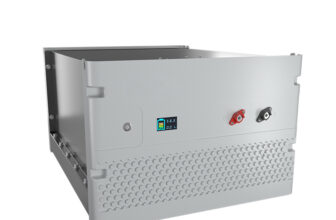
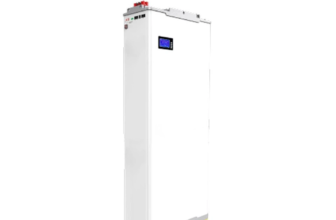
- Solar backup power solutions
Reliable power is especially important in Nigeria, where grid interruptions are common. Solar and inverter backup systems ensure uninterrupted functionality, maintaining security at all times.
Best Practices for Deployment
Conduct a Security Audit
Evaluate vulnerable access points and prioritize high-risk zones.
Define Access Levels
Assign permissions based on roles and responsibilities.
Train Employees
Educate staff on proper usage and security awareness.
Maintain Regular Updates
Ensure software and firmware are updated for optimal protection.
Partner with Professionals
Work with experienced installers to guarantee correct setup and integration.
The Role of Professional Installation
Deploying smart access control requires technical expertise, from system design to installation and configuration. Professional providers ensure:
- Accurate placement of devices
- Reliable system integration
- Efficient troubleshooting
- Long-term support
This ensures maximum performance and minimizes vulnerabilities.
Future Trends in Access Control Technology
Artificial Intelligence Integration
AI enhances monitoring accuracy and threat detection.
Cloud-Based Management
Remote access management is becoming increasingly popular.
Touchless Authentication
Contactless verification methods are improving hygiene and convenience.
IoT Connectivity
Integration with smart building technologies creates fully automated security ecosystems.
Conclusion
Smart access control systems represent a transformative step forward in securing banks and corporate offices. By replacing outdated lock systems with intelligent authentication and monitoring tools, organizations enhance safety, streamline operations, and ensure accountability.
With evolving threats and increasing operational complexity, investing in advanced access solutions is no longer optional -it is essential. Organizations that adopt smart access technologies position themselves for improved resilience, efficiency, and confidence in their security infrastructure.
Partnering with experienced providers ensures optimal implementation and long-term reliability, helping institutions safeguard assets, data, and personnel while embracing modern innovation.