
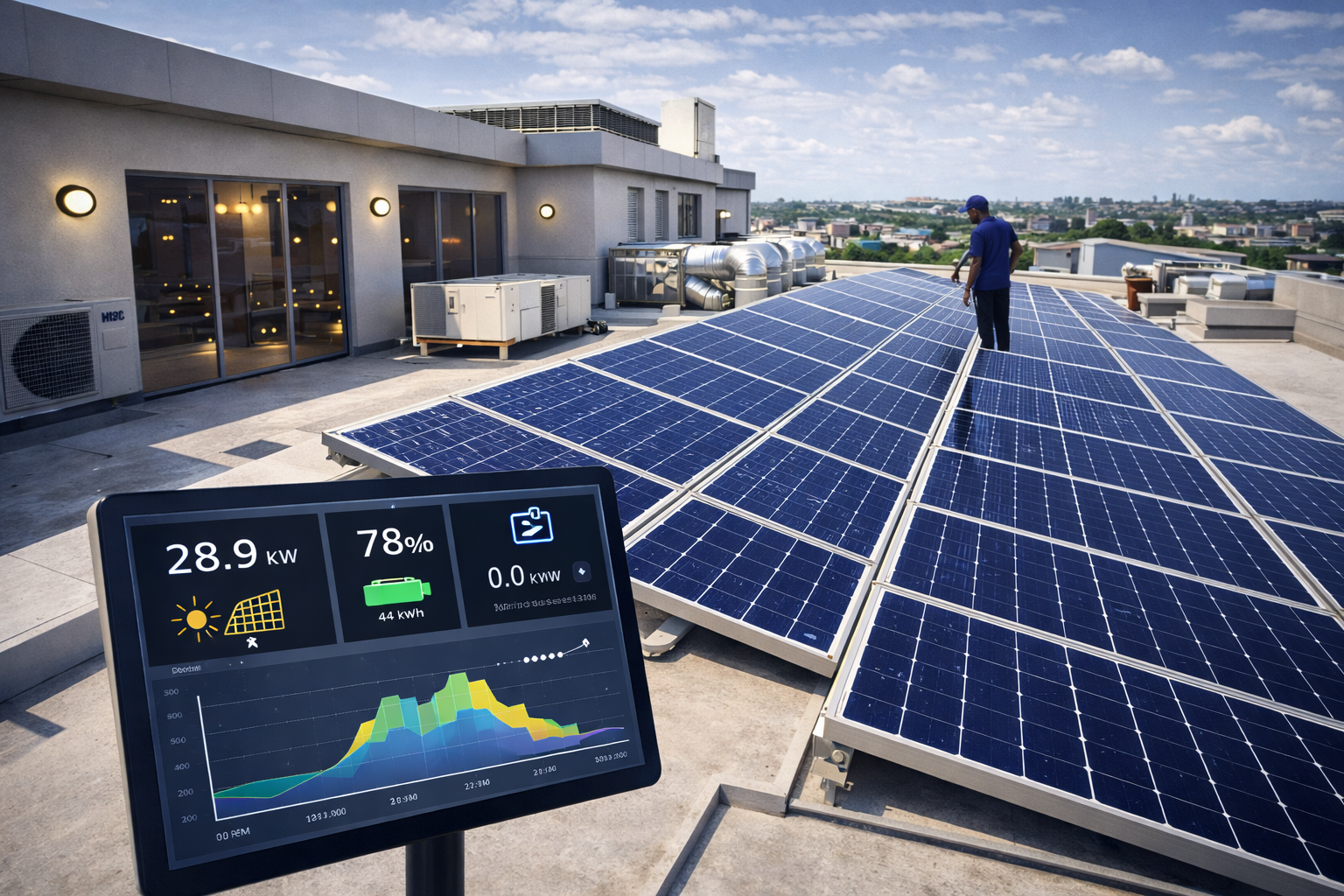
Event centers in Lagos -from wedding venues and banquet halls to convention centers and banquet facilities -host thousands of guests every year. These venues require reliable, scalable, and cost-effective power solutions to keep lighting, sound systems, air conditioning, catering equipment, decoration electronics, and security systems running without interruption.
With persistent utility power challenges in Nigeria and ever-increasing diesel costs for generators, solar energy has emerged as a smart, long-term solution for event centers. But not all solar systems are created equal.
In this comprehensive guide, we’ll explore the best solar options for event centers in Lagos, why they make financial and operational sense, how to size solar systems properly, cost considerations, financing options, and best practices for installation and maintenance.
Why Event Centers in Lagos Need Solar Energy
- Unreliable Grid Power
Lagos experiences frequent power outages and voltage fluctuations that affect events, disrupt schedules, and can damage sensitive equipment.
- High Generator Expenses
Most event centers rely on diesel generators for backup, which come with:
- Fuel costs
- Servicing and maintenance
- Noise pollution
- Carbon emissions
These costs increase quickly, especially hosting daily or multiple events weekly.
- Customer Experience & Reputation
Uninterrupted power ensures:
- Seamless lighting and AV experiences
- Comfortable air conditioning
- Secure environments
- Happy guests and repeat bookings
Solar makes power reliability a selling point, not a risk.
- Long-Term Savings
Solar systems offer long-term cost reductions by cutting fuel costs, lowering electricity bills, and avoiding wear and tear on generators.
- Sustainability & Brand Value
Solar promotes environmental consciousness -a selling point for eco-friendly weddings, corporate events, and community gatherings.
Solar System Basics: What Event Centers Need to Know
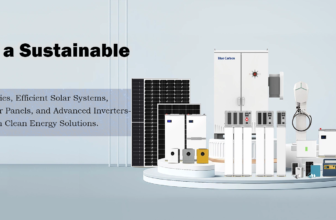
A typical solar setup for large facilities includes three core components:
Solar Panels
Capture sunlight and convert it into electrical energy. The panel capacity determines the total energy output.
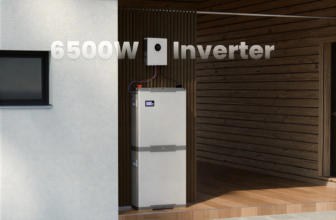
Inverters
Convert DC power from panels or batteries into AC power used by equipment.
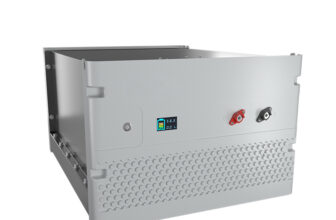
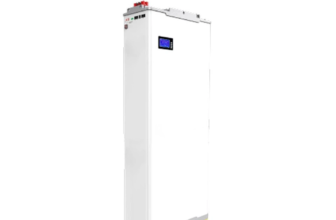
Battery Storage
Stores excess energy for nighttime events or cloudy days.
Best Solar Options for Event Centers in Lagos
- Hybrid Solar Systems
Best Overall for Event Centers
Hybrid solar systems combine:
- Grid power
- Solar energy
- Battery backup
Benefits:
- Seamless switching between power sources
- Battery storage for nighttime or cloudy days
- Grid interaction for excess power usage
- Reduced generator run time
- Stabilized power supply for crucial events
Ideal For:
- Everyday events
- Multi-day conferences
- Large halls and multi-room centers
- Off-Grid Solar Systems
Best for Remote or Independent Facilities
Off-grid systems operate independently of the utility grid and rely entirely on solar and batteries.
Benefits:
- Full power autonomy
- No grid dependency
- No generator fuel costs
Best For:
- Outdoor event sites
- Remote function areas outside main cities
Note: Off-grid systems require larger battery banks for nighttime or extended event use.
- Grid-Tie Solar Systems
Best for Facilities with Stable Grid Access
Grid-tie systems connect solar panels directly to the grid and do not rely on batteries.
Benefits:
- Lower initial cost (no batteries)
- Solar reduces grid electricity bills
- Easy installation
Limitations:
- No power during grid outages
- It is not ideal if blackout backup is a priority
Grid-tie is ideal for daytime events but may require generator backup for night or outage coverage.
- Solar-Generator Hybrid
Low-Cost Intermediate Option
Some event centers pair solar with their existing generator systems. Solar powers daytime loads while the generator kicks in during high-demand or low sunlight conditions.
Benefits:
- Reduced fuel consumption
- Extended battery life
- Cost-effective staging solution
This option is excellent for venues transitioning gradually to full solar.
Sizing Solar for Event Centers in Lagos
Solar system sizing depends on:
- Daily Energy Consumption
List of all equipment used during events:
- Lighting
- Sound systems
- Projectors & screens
- Air conditioners
- Refrigeration & catering appliances
- Security and access control
- HVAC systems
Calculate total wage and estimate daily usage hours.
- Peak Load Assessment
Event centers often run multiple high-wattage systems simultaneously. It’s not just about daily kWh but peak kW demand.
Example:
- 5 x 5,000W AC units
- 10 x 500W LED lights
- 3 x 2,000W sound systems
- 1 x 1,500W projector setup
This accumulates into significant load demand that must be supported simultaneously.
- Battery Storage Capacity
Batteries should be sized based on:
- Event duration
- Nighttime backup needs
- Cloudy day reserves
Factories typically use lithium batteries for durability and efficiency.
- Solar Panel Size
Panel size depends on:
- Daily production requirement
- Roof orientation and shading
- Sunlight hours in Lagos (usually 5-7 hours effective daily)
Professional load analysis is crucial for efficient system design.
Cost Considerations for Solar Installation
The cost of solar power for a Lagos event center varies based on:
System Size
10kW – 50kW or more depending on load.
Type of System
Hybrid, off-grid, or grid-tie.
Battery Choice
Life PO₄ (lithium) vs tubular lead-acid.
Quality of Components
Higher-efficiency panels and premium inverters cost more but deliver better performance.
Installation Complexity
Roof access, mounting hardware, wiring, and safety systems affect cost.
Typical Cost Ranges
| System Type | Estimated Cost (₦) |
| 10-20 kW Hybrid | ₦10M – ₦25M |
| 20-40 kW Hybrid | ₦25M – ₦50M |
| 40-60 kW Hybrid | ₦50M – ₦90M+ |
| Off-Grid Peaks | ₦60M – ₦120M |
Note: These ranges are estimates and vary based on equipment quality, installation conditions, and warranty packages.
Return on Investment (ROI)
Solar installations offer predictable savings:
Fuel Cost Reductions
Generator expenses can be reduced by 60-90%.
Lower Electricity Bills
If grid-tie or hybrid systems are used, electricity bills drop significantly.
Payback Period
Typically, between 2-5 years depending on usage patterns and system size.
After payback, energy costs are nearly zero (aside from maintenance).
Financing Solar for Event Centers
- Cash Purchase
Lowest overall cost but requires capital.
- Leasing or Solar as a Service
Third-party owns the system; the venue pays a monthly fee.
- Business Loans
Many banks and financial institutions now offer renewable energy loans.
- Partnerships & Grants
Solar adoption initiatives and climate funds may reduce initial investment barriers.
Best Practices for Solar Installation
- Conduct professional load analysis
- Use high-efficiency monocrystalline panels
- Size battery storage correctly
- Include surge protection and earthing for safety
- Choose reputable installers
- Schedule routine maintenance
Conclusion
Solar power is no longer a luxury -it is a necessity for event centers in Lagos that demand consistent energy, lower operating costs, and environmental responsibility.
Whether you choose a hybrid, off-grid, or grid-tie system, proper system design and professional installation ensure uninterrupted power for your events.
With rising energy costs and frequent outages, investing in solar energy not only enhances reliability but also positions your venue as an energy-smart business -attracting more clients and reducing long-term expenses.