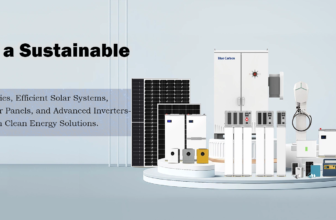

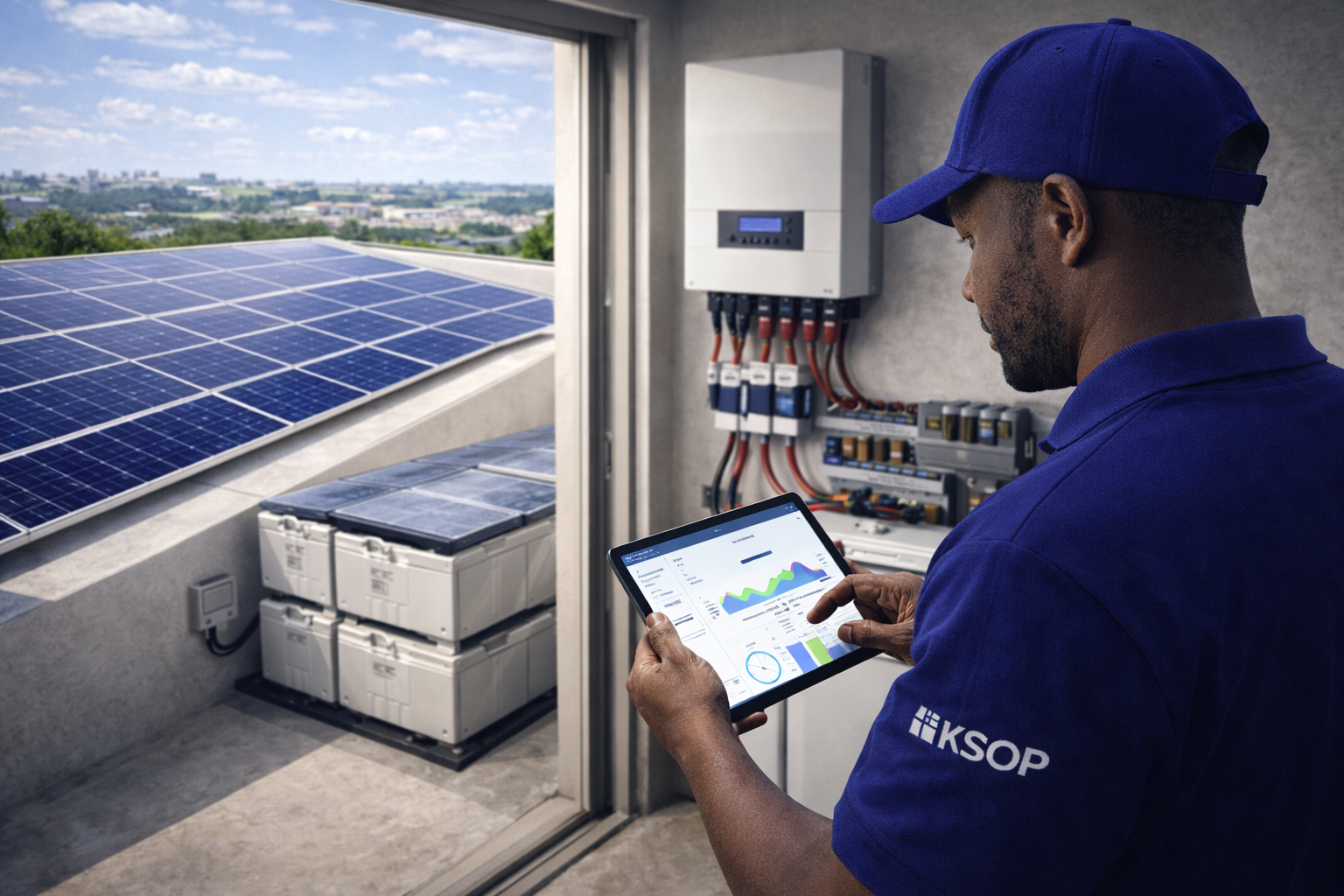
Over the past decade, the global energy landscape has experienced a major transformation. Among the most important developments is the rapid rise of solar + battery storage systems. These systems combine solar panels with energy storage batteries to provide reliable, clean, and uninterrupted electricity for homes, businesses, and industries.
In countries like Nigeria where electricity supply from the national grid is often unstable, solar power combined with battery storage has become a game-changing solution. It allows property owners to generate their own electricity during the day and store excess power for use at night or during outages.
This article explores the rise of solar + battery storage systems, how they work, why they are becoming popular, and why they represent the future of energy independence.
Understanding Solar + Battery Storage Systems
A solar + battery storage system integrates solar photovoltaic (PV) panels with battery technology to store unused energy for later use.
The system typically consists of the following components:
- Solar panels
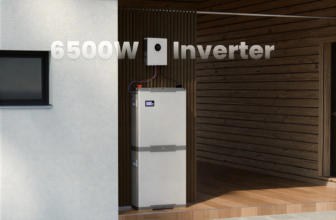
- Solar inverter
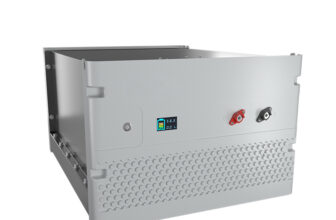
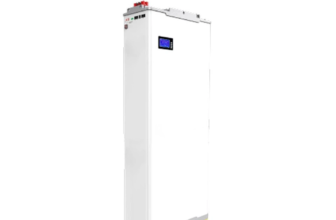
- Battery storage system
- Charge controller (or hybrid inverter)
- Electrical distribution system
During the day, solar panels capture sunlight and convert it into electricity. This electricity powers the home or business directly. Any extra electricity produced is stored in the battery system.
At night or during power outages, the stored energy in the battery powers the building, ensuring continuous electricity supply.
Why Solar + Battery Storage Is Growing Rapidly
Several factors have contributed to the rapid adoption of solar + battery storage systems worldwide.
- Unreliable Grid Power
In many developing countries, including Nigeria, the national grid is often unreliable. Frequent power outages disrupt homes, businesses, and industries.
Solar + battery storage offers a dependable alternative by allowing users to generate and store their own electricity.
Instead of relying entirely on grid electricity or fuel-powered generators, property owners can maintain energy independence.
- Rising Cost of Fuel and Electricity
Diesel and petrol generators have long been the backup power solution for many Nigerians. However, the cost of fuel has increased significantly in recent years.
Solar + battery systems provide a cost-effective solution because sunlight is free. After installation, the operational cost of solar energy is extremely low.
Over time, users can save a significant amount of money by reducing generator fuel consumption.
- Advances in Battery Technology
The growth of lithium-ion batteries has dramatically improved energy storage systems.
Modern batteries offer:
- Longer lifespan
- Higher energy density
- Faster charging
- Improved safety
- Reduced maintenance
Lithium batteries can last 8 to 15 years, making them ideal for solar storage systems.
- Environmental Sustainability
Climate change and environmental concerns are pushing individuals and governments toward cleaner energy solutions.
Solar + battery storage systems produce zero emissions, unlike fossil-fuel generators that release harmful gases into the atmosphere.
Adopting solar energy contributes to:
- Reduced carbon emissions
- Cleaner air
- Sustainable energy development
How Solar + Battery Storage Systems Work
A solar + battery storage system follows a simple energy flow process.
Step 1: Solar Energy Generation
Solar panels absorb sunlight and convert it into direct current (DC) electricity.
Step 2: Power Conversion
A solar inverter converts DC electricity into alternating current (AC), which powers appliances and equipment.
Step 3: Battery Charging
If the solar panels produce more electricity than needed, the excess power is stored in the battery.
Step 4: Nighttime or Backup Power
When solar production stops at night or during cloudy weather, the system automatically switches to battery power.
This ensures uninterrupted electricity supply.
Types of Solar + Battery Systems
There are three main types of solar battery systems.
- Off-Grid Solar Systems
Off-grid systems operate completely independent of the national grid.
They are commonly used in rural areas where grid electricity is unavailable.
Key features include:
- Solar panels
- Large battery storage
- Backup generator (optional)
- Hybrid Solar Systems
Hybrid systems combine solar panels, batteries, and grid electricity.
They allow users to switch between solar power, battery power, and grid power depending on availability.
This is the most common system used in urban areas.
- Grid-Tied Systems with Battery Backup
These systems remain connected to the grid but include battery storage for backup during outages.
They are common in countries with stable electricity grids but occasional blackouts.
Benefits of Solar + Battery Storage Systems
- Reliable Power Supply
Battery storage ensures electricity is available even when the grid fails or at night.
- Reduced Energy Costs
Solar energy reduces reliance on fuel-powered generators and expensive electricity tariffs.
- Energy Independence
Users become less dependent on utility companies and fuel supply chains.
- Increased Property Value
Buildings equipped with solar energy systems are more attractive to buyers and tenants.
- Reduced Generator Noise and Pollution
Solar power eliminates the noise and air pollution associated with generators.
Solar + Battery Storage in Nigeria
Nigeria is one of the fastest-growing markets for solar energy in Africa.
Several factors are driving this growth:
- Unstable grid electricity
- Rising fuel prices
- Increasing awareness of renewable energy
- Falling cost of solar equipment
Businesses such as:
- Hotels
- Hospitals
- Schools
- Factories
- Event centres
are increasingly installing solar + battery systems to reduce operational costs.
Residential homeowners are also adopting solar power to enjoy 24/7 electricity without relying on generators.
Challenges of Solar + Battery Storage Systems
Despite the advantages, some challenges still exist.
- Initial Installation Cost
Solar systems require upfront investment. However, long-term savings often outweigh the initial cost.
- Space Requirements
Solar panels require sufficient rooftop space to generate adequate power.
- Technical Expertise
Proper installation is essential to ensure system safety and efficiency.
Working with experienced solar professionals is critical.
Future of Solar + Battery Storage
The future of solar + battery storage systems looks extremely promising.
Several trends are shaping the industry:
Falling Battery Costs
Battery prices continue to decline, making energy storage more affordable.
Smart Energy Management
Modern systems include mobile apps and smart monitoring tools that allow users to track energy production and consumption.
Increased Energy Independence
More households and businesses will adopt solar systems to reduce reliance on unstable electricity grids.
Government Policies
Many governments are introducing incentives to encourage renewable energy adoption.
Why Professional Installation Matters
Solar systems involve high-voltage electrical components. Improper installation can lead to:
- Electrical faults
- Equipment damage
- Reduced efficiency
- Fire hazards
Professional solar installers ensure:
- Correct system design
- Proper cable sizing
- Safe battery installation
- Efficient energy performance
Working with experienced companies guarantees long-term system reliability.
Conclusion
The rise of solar + battery storage systems represents a major shift toward reliable, sustainable, and independent energy solutions.
For countries facing electricity instability, solar energy combined with battery storage provides a powerful alternative to traditional power sources.
As technology improves and costs continue to fall, solar + battery systems will become even more accessible for homes, businesses, and industries.
By investing in solar energy today, individuals and organizations can enjoy reliable power, reduced energy costs, and a cleaner environment for the future.